
Are some foods actually addictive?
The answer is straightforward and, you might think, inconsequential: It depends entirely on your definition of “addictive.”
And the column could end right here, except that the conversation about what makes food either addictive or compelling but not addictive (depending on your definition), gets to the heart of how we’ve gotten obesity wrong.





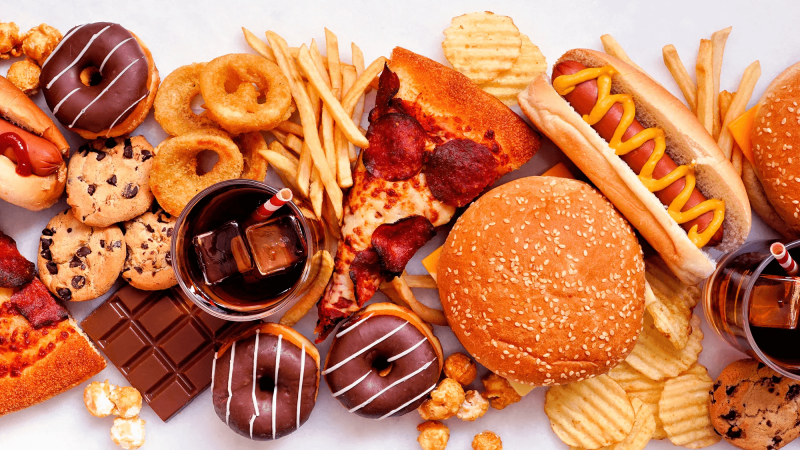
Although the problem has, at least lately, been pegged to ultra-processed foods, the siren song of cheap, convenient, ubiquitous food isn’t limited to those. Lots of foods that don’t meet the definition (and, of course, definitions for this vary, too) can tap into our reward circuitry. The potato chips that came with my lunch the other day have three ingredients: potatoes, oil, and salt. And the local bakery has a few things that are hard to put down. On the flip side, some ultra-processed foods aren’t designed to be overeaten; a group of researchers, including government scientists, published a paper … that constructed a perfectly healthful diet in which 91 percent of the calories came from UPFs.