Nevertheless, Europe is moving quickly to implement very expensive regulations to reduce exposure to them and activists in the United States are trying to get the U.S. to follow in Europe’s footsteps. If they do, we can expect to see risk analyses that predictably will find microplastics to be a significant danger. We are practically blind in our aim.
“Ready, Fire, Aim”: A Flawed Approach to Regulation
This is similar to how Jerry Ellig, a George Mason University economist, once described the way regulators frequently act—“Ready, Fire, Aim.” They decide what they want to do, propose a regulation, and then perform analysis to justify it.
This way of doing things allows regulators to claim they are doing something rather than just studying things. Regulators can even go so far as to, falsely, claim they are being precautionary. A movie with a similar theme was the 2002 Spielberg film, Minority Report, in which police use a group of psychics to find people they believe will murder people in the future and they arrest and convict them before they do so.
Europe, which has precautioned itself into incapacity, has already set out a Zero Pollution Action Plan as part of the European Green Deal. The European Commission asserts, “The case for preventive action is crystal clear” and “needs to see…. more ambitious rules on packaging and waste shipments passed swiftly into law.”
With a [paper] published by the University of California at San Francisco, a toxicology professor at the University of New Mexico says, “I am not really critical of those papers, because we have to start somewhere, but using data from those studies to assess human health is just too soon.”
From Hazard to Risk: What We Need to Know About Microplastics
What information might we need before we “aim” at microplastics?

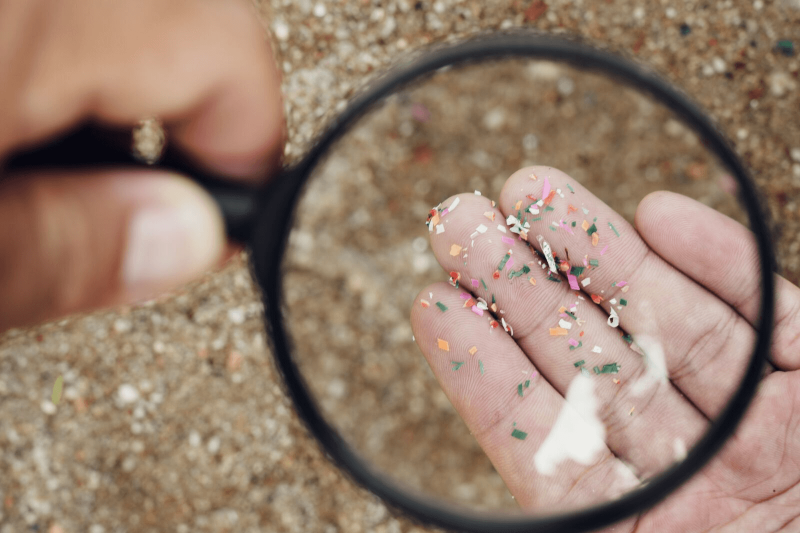
First, we need to know how many kinds of microplastics there are. They vary by size, polymer (type of plastic material), and shape. Each of these in combination will have different risks for humans, animals, or plants. For example, at the nano size, as opposed to the micro size, the shape of the particle is the most important aspect to determine risk. As for types, there are thousands of different types of plastics. There are also 13,000 different chemicals that have been associated with plastics.



As we ingest microplastics, through water, food or air, or absorption, many of the particles may just pass right through us without causing any harm.
The EU notes that “in spite of these informed conjectures significant speculation and many known unknowns remain.” Nevertheless, the rules to reduce production of unnecessary plastics, change their design, improve waste collection, phase out chemicals, develop new alternatives, protect workers, promote more recycling, and regulate limits continues with full speed ahead.
The U.S. is moving to not be left behind. On the litigation front, at least seven putative class actions have been filed since January against bottled water calling itself “natural” when it might contain microplastics. One suggestion by a law firm says that manufacturers should consider moving to metal or glass. Glass can be contaminated with chemicals or microbes and broken glass is a hazard for kids. Illinois is proud to say it took action against plastics in 2015 and urged the National Oceanic and Atmospheric Administration (NOAA) to regulate microfiber pollution.
A Measured Approach: Focus on Evidence-Based Regulation
So far, the U.S. is wisely behind on the rush to regulate with only one ten-year-old rule, the Microbead-Free Waters Act of 2015 for cosmetics. FDA [has] stated the “current scientific evidence does not demonstrate that levels of microplastics or nano plastics detected in food pose a risk to human health. Advocacy groups [have] petitioned EPA to start monitoring microplastics in drinking water, a good move that will produce evidence that will help to inform targeted regulation addressing real risks, not hazards.
What we know so far is that microplastics are a “hazard”— something that might cause harm, as opposed to a risk—“a positive probability of harm and the degree of consequences. Before we regulate, let’s [research] to ensure our aim is accurate.
Richard Williams is a Senior Affiliated Scholar, the former Director of the Regulatory Studies Program, and the former Vice President of Policy Research at the Mercatus Center at George Mason University. He is also the author of Fixing Food: An FDA Insider Unravels the Myths and the Solutions. Follow Richard on X @RAWilliamsfood