 t decades, however, media outlets have increasingly aligned with specific political or social agendas, giving up on even the appearance of providing balanced coverage.
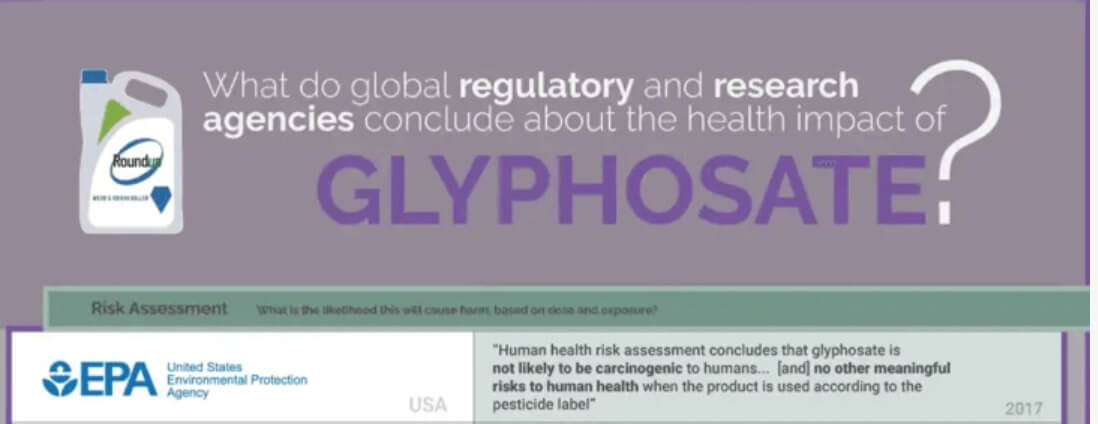
This shift is evident in selective reporting, where stories are framed to support predetermined ideological goals rather than reflect reality. For instance, coverage of contentious issues like chemical safety often emphasizes emotionally charged narratives over balanced data, alienating audiences who seek unfiltered information, while unnecessarily alarming others who begin to doubt the safety of everything from plastic water bottles to baby food and even Girl Scout cookies. This activism manifests in several ways. Journalists may omit key details that contradict their outlet’s stance, exaggerate claims to push a cause, or use loaded language to sway opinion.
Such practices undermine the media’s role as a neutral arbiter. When audiences notice discrepancies between reported narratives and observable facts or encounter suppressed stories–like the hypothesis that the pandemic began with a lab leak–they grow skeptical. Social media amplifies this distrust by exposing inconsistencies and offering alternative perspectives, further eroding traditional media’s authority, and the consequences are troubling.
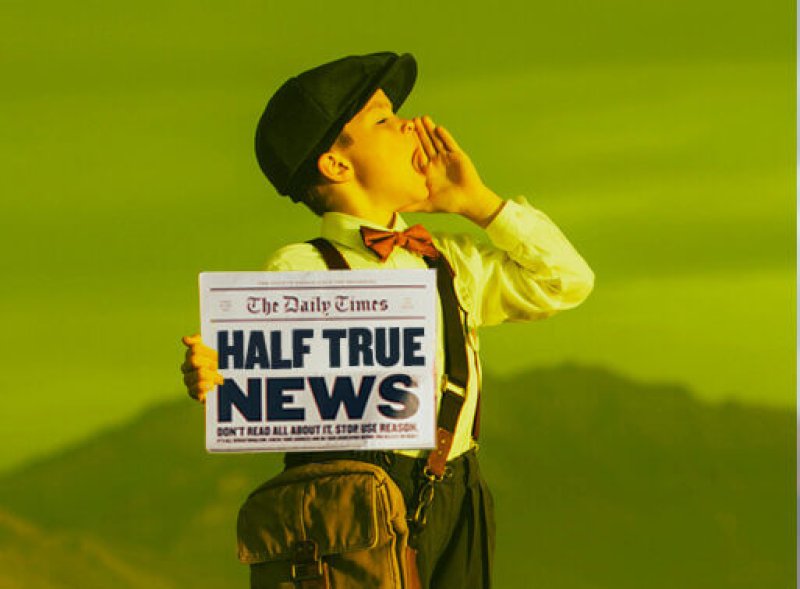
The worst effect may be that this distrust fuels polarization, as people retreat to echo chambers that align with their views. When journalists act as advocates rather than fact-finders, they abandon their duty to empower an informed public, leaving audiences to question their motives. The question is: can this trust be restored, or are we better off turning to new media sources like podcasts, independent blogs, and YouTube channels? These new media platforms have sometimes proven to be invaluable sources of news, though they often serve as breeding grounds for outright nonsense that misleads the public about critical topics.
GLP founder Jon Entine and longtime contributors Liza Dunn and Cameron English discuss the media’s dwindling credibility and whether or not it should be restored. Follow this link or listen to the conversation below:



Come join @JonEntine @camjenglish & me on Friday at 11 am CST!https://t.co/6EW3kkmB4P
— Liza Dunn (@DrLizaMD) April 17, 2025
Dr. Liza Dunn is a medical toxicologist and the medical affairs lead at Bayer Crop Science. Follow her on X @DrLizaMD
Jon Entine, founder and executive director of the Genetic Literacy Project, is an Emmy-winning investigative TV News producer and author of seven books, including three on genetics. Please follow him on X at @JonEntine
Cameron J. English is the director of bio-sciences at the American Council on Science and Health. Visit his website and follow him on X @camjenglish