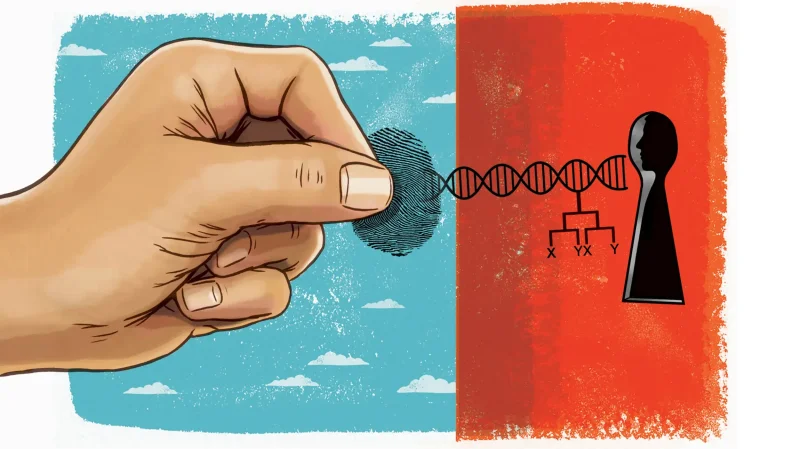

With CRISPR technology, scientists can now edit both somatic genes (from the body) and germline genes (from gametes, the sex cells that form embryos), literally clipping out and replacing parts of them. … If such changes were made in germline cells, the resulting embryo would never develop the disease at all.
But while curing [a painful disease like sickle cell] may seem like an unalloyed positive, the questions around gene editing raise many troubling ethical questions. “Should we be using CRISPR for diseases or syndromes that are compatible with life, like Down syndrome?” asked Baer. “Who is going to make those decisions?”
…




Additionally, Baer pointed out, gene editing may have unintended consequences. … “Genes don’t just pop out,” he said. “They evolve and interact and do many different things.”