Viewpoint: With lower yields, the future of organic farming is endangered. It needs biotechnology

Credit-Freepik

The EU should allow gene editing to make organic farming more sustainable, researchers say.

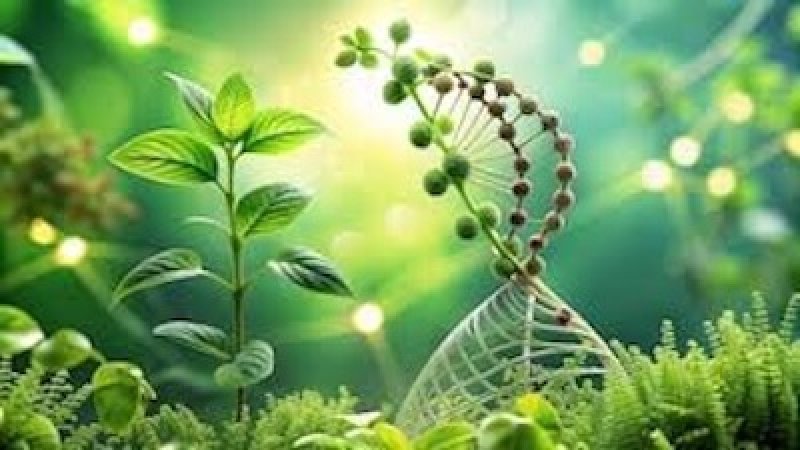
To achieve the European Green Deal’s goal of 25% organic agriculture by 2030, researchers argue that new genomic techniques (NGTs) should be allowed without pre-market authorisation in organic as well as conventional food production. NGTs, also known as gene editing, are classified under the umbrella of GMOs, but they involve more subtle genetic tweaks.

…

“This is an excellent opportunity to modernise European agriculture, to make it more science based, and to support the goal of improving sustainability inside the European Union,” said first author Alexandra Molitorisová, a food law researcher at the University of Bayreuth.
Mis- and disinformation are distorting science and public policy. Subscribe to our Daily and Weekly Digests for incisive coverage of ‘disruptive’ innovations in AI, agricultural biotechnology, food, chemicals, nuclear energy, vaccines, and other disruptive innovations.

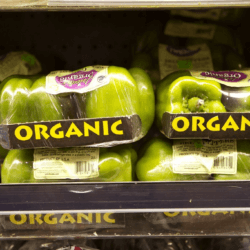
Currently, 10% of EU farming areas are organic. Though organic farming can reduce carbon emissions and pollution from fertiliser and pesticides, Molitorisová’s team says that these benefits could be negated by biodiversity losses due to expanding agricultural land, since organic agriculture requires more land to grow the same amount of food.

“The target of 25% organic land is unlikely to ensure sustainable food production in the EU if modern biotechnology, such as NGTs, is excluded from organic farming,” said Molitorisová.


This is an excerpt. Read the original post here

Related Articles

Infographic: Global regulatory and health research agencies on whether glyphosate causes cancer

Infographic: Global regulatory and health research agencies on whether glyphosate causes cancer

Does glyphosate—the world's most heavily-used herbicide—pose serious harm to humans? Is it carcinogenic? Those issues are of both legal and ...

Most Popular

ChatGPT-Image-Mar-10-2026-01_39_01-PM
Viewpoint—“Miracle molecule” debunked: Why acemannan supplements don’t work
ChatGPT-Image-Sep-10-2026-10_36_07-AM
Viewpoint: Even lousy scientific articles can shield authors when they hype dubious health claims and products
sorghum farmers in kenya FARMERS TREND
Here are all the ways CRISPR gene editing is transforming Africa’s staple crops—and there’s a lot more innovation to come
Screenshot-2026-10-01-at-11.21.27-AM
Vaccine hesitancy, like malaria, surges globally, topping 35% in some countries
ChatGPT-Image-Sep-30-2026-01_11_07-PM
How U.S. teamed with Russia to block global human AI weapons oversight
ChatGPT-Image-Sep-21-2026-03_15_09-PM
Viewpoint: Chipotle-inspired lesson: 10,000 sick customers suggest that processed foods can be safer than fresh ones
ChatGPT-Image-Sep-30-2026-01_25_34-PM
Blood tests for Alzheimer’s? The latest grifter, social media scam.
generated-1790707585414
Facts & Fallacies podcast: America's health care system is broken. A doctor explains how to fix it
ChatGPT-Image-Sep-29-2026-12_16_42-PM
Social media influencers are driving food misinformation across Europe
ChatGPT-Image-Sep-30-2026-01_38_36-PM
Viewpoint: Died “with measles” vs. died “from measles”: RFK, Jr.’s dangerously subversive word games
Screenshot-2026-09-28-at-1.16.38-PM
Defying public perceptions, U.S. cancer deaths plunged 35% since 1991
Screenshot-2026-09-17-at-1.07.08-PM
'We are dangerously addicted to antidepressants': Should we heed RFK Jr.’s sobering warning?
glp menu logo outlined

Get news on human & agricultural genetics and biotechnology delivered to your inbox.