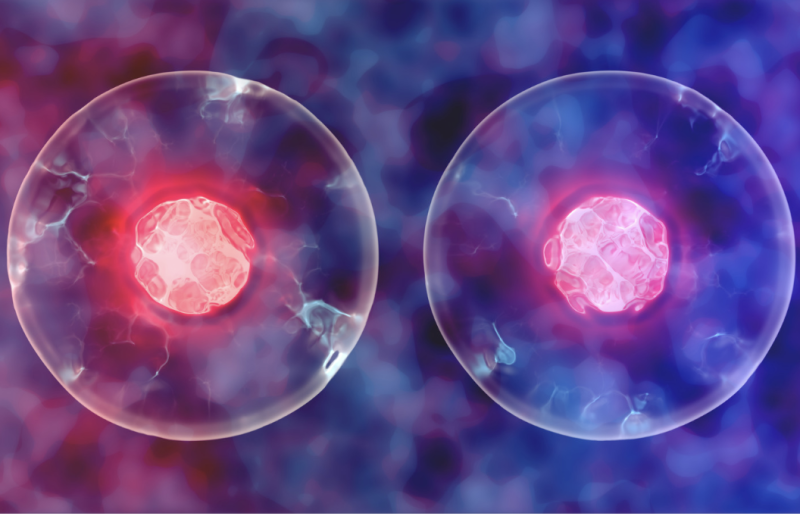
Creepy and cool ways cloning may be used on animals and humans

Cloning is having a moment, and not for the reason you’d guess. A new piece from MIT Technology Review, by senior reporter Jessica Hamzelou, explores its possibilities, including as a tool to resurrect vanishing species or repurposed to grow spare human organs.

The trigger is a Japanese study using CRISPR to delete the Y chromosome from mouse embryos, creating female clones from male mice. “It felt a bit like sci-fi,” said Takashi Ishiuchi, a reproductive biologist.

Mis- and disinformation are distorting science and public policy. Subscribe to our Daily and Weekly Digests for incisive coverage of ‘disruptive’ innovations in AI, agricultural biotechnology, food, chemicals, nuclear energy, vaccines, and other disruptive innovations.

From Frozen Zoos to Organ Farms

Conservationists use similar tools deliberately. San Diego Zoo’s frozen tissue bank holds cells from 1,300 species and has cloned black-footed ferrets and Przewalski’s horses. A 2009 attempt to revive the extinct Pyrenean ibex failed in minutes — the clone died of lung defects.

Illustration of a cloned dog and endangered species
Related on the SLP
Tom Brady paid $50,000 to clone his beloved dog. The same procedure can help revive endangered, inbred species

Cloning’s darker edge shows too: one biotech founder pitched “brainless” human clones grown for organs, while bioethicist Jessica Pierce calls pet cloning “the exploitation of the canine underclass.”

The science is neutral. Whether cloning saves species or drifts toward organ farming depends on the guardrails built now.


Read the original article here

Related Articles

Infographic: Global regulatory and health research agencies on whether glyphosate causes cancer

Infographic: Global regulatory and health research agencies on whether glyphosate causes cancer

Does glyphosate—the world's most heavily-used herbicide—pose serious harm to humans? Is it carcinogenic? Those issues are of both legal and ...

Most Popular

Neon Syringe Portrait with BPC-157
Viewpoint: Peptides and medical freedom: The MAHA obsession that can damage your health
ChatGPT-Image-Mar-10-2026-01_39_01-PM
Viewpoint—“Miracle molecule” debunked: Why acemannan supplements don’t work
Screenshot 2026-07-29 at 10.40
The COVID vaccine turbo cancer scare is back. Science still proves it’s wrong.
Screenshot 2026-10-27 at 10.32
“Do your own research”: What Medicare’s annual open enrollment circus teaches us about the seductive trap of DIY health and science
Screenshot 2026-10-20 at 1.37
Race against food rot: How AI and gene editing could slash fruit and vegetable waste
Screenshot 2026-10-28 at 10.11
We're likely over-consuming the world's most profitable nutrient – and it’s wrecking our waistlines.
Screenshot-2026-10-29-at-10.31.49-AM
Solar engineering to cool the planet might well work. Could it touch off a geoengineering arms race?
Diet Soda with Measuring Tape 2
Science challenges anti-soda activists: No, sodas won’t make you fat
glp menu logo outlined

Get news on human & agricultural genetics and biotechnology delivered to your inbox.