How activists planned assault on neonics (and bees)

bee fac

Imagine a scenario where a group of people get together to frame the debate about science and even set out to conspiratorially place papers in highly-respected journals, selecting the ideal names to have on the paper and which publications would be most likely to publish it.

It must be those evil corporate chemical shills again, right?

Not this time, it was the International Workshop On Neonicotinoids in 2010 and it explains a lot about how the anti-science contingent has managed to maintain so much mindshare in media: they know how to work the system and created a four-year plan to do just that.

[NOTE: Also read the Times of London analysis of this this emerging scandal on the GLP in today’s Daily Digest. Environmentalist Bjorn Lomborg has an analysis as well on his site. The Genetic Literacy Project will have a more extensive report on this breaking story on Friday, December 5.]

[Note: The Genetic Literacy Project’s Jon Entine has reported extensively on the manipulation of research on bee health by activist scientists, most recently the inside story on Harvard nutritionist and organic activist Chensheng Lu, here.]

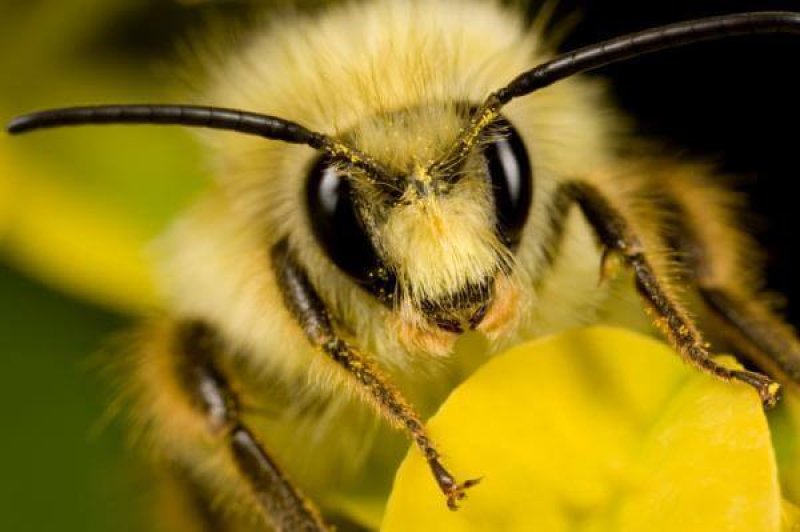
The contingent claims that neonics, a class of pesticides, can be linked to bee colony collapse disorder and by association to use of neonics on genetically modified crops.

Corporations are absolutely clueless about how to win against the emotional claims of anti-science groups. Do they end up spending millions? Sure, once the damage is done, but the people proactively preparing the battlefield are the environmentalists, not companies.

While I was writing this, an employee at Ogilvy, a $16 billion company, which is getting paid by Intel, a $53 billion company, to engage in social media, wrote me and asked me to write about Intel for free.

That is the kind of dopey strategy corporations have.

Environmentalists know how things really get done. You get someone to go all Rachel Carson and a modern version of Joni Mitchell or Midnight Oil will write songs about the cause and bans will just happen. Politicians are not in the science business, they are in the anecdote business. Teary stories about dead bees in the Congressional Record count for a lot more than evidence.

Read full, original blog: When It Comes To Neonics, Activists Understand PR Better Than Chemical Companies Do

{{ reviewsTotal }}{{ options.labels.singularReviewCountLabel }}
{{ reviewsTotal }}{{ options.labels.pluralReviewCountLabel }}
{{ options.labels.newReviewButton }}
{{ userData.canReview.message }}

Related Articles

Infographic: Global regulatory and health research agencies on whether glyphosate causes cancer

Infographic: Global regulatory and health research agencies on whether glyphosate causes cancer

Does glyphosate—the world's most heavily-used herbicide—pose serious harm to humans? Is it carcinogenic? Those issues are of both legal and ...

Most Popular

Screenshot-2026-06-05-at-2.12.30-PM
Some plants can poison you. So how did humans figure out what is safe to eat?
Credit: ACSH
Viewpoint: Who and what’s to blame for the surge in vaccine-preventable diseases?
Organic-Produce
Viewpoint: Why you should ignore organic food advocates’ advice to avoid ‘pesticide soaked’ conventional fruits and vegetables
ChatGPT-Image-Jun-5-2026-01_17_48-PM
GLP-1 weight-loss drugs may reshape our desires and emotions
Screenshot-2026-06-05-at-11.12.44-AM
‘Protecting religious liberty and parental authority’: Challenging expert guidance, Trump signs off on Kennedy’s gutting of childhood vaccine schedule
Screenshot 2026-06-05 at 12.14
‘Nicotine-free generation’: Should the U.S. emulate Britain and ban all nicotine products, from cigarettes to vapes?
ChatGPT-Image-Mar-10-2026-01_39_01-PM
Viewpoint—“Miracle molecule” debunked: Why acemannan supplements don’t work
Screenshot 2026-05-26 at 10.15
Viewpoint: Double standard—Why does the wellness industry get a free pass while Big Healthcare is treated as morally suspect?
Screenshot-2026-06-04-at-12.05.08-PM
Cases of brain inflammation surge as U.S. measles pandemic approaches 2000
ChatGPT-Image-Jun-4-2026-11_49_36-AM-2
‘You don’t understand Tolkien’: Skeptic Pope trolls tech giants about the exaggerated, risk-less benefits of AI
Picture1
Sounds we can’t hear — the hidden planetary signals behind science, fear, and misinformation
ChatGPT-Image-May-26-2026-07_51_21-AM-2
Viewpoint: There are more than 1,000 chemicals in a cup of coffee—including many substances that can cause cancer. Why isn’t it banned?
edb7f6d7-2370-418f-9578-74e29678e35c
Facts & Fallacies Podcast: Nicotine vaping—public health miracle, or risk to children? Professor Cliff Douglas
glp menu logo outlined

Get news on human & agricultural genetics and biotechnology delivered to your inbox.