Regulatory oversight may have allowed deadly pig virus into US in 2013

The GLP aggregated and excerpted this blog/article to reflect the diversity of news, opinion and analysis. 

How diseases cross borders can be a dark mystery. It’s never been clear, for instance, just how West Nile virus arrived in the United States in 1999. Researchers think they know why clusters of malaria cases occur around international airports, but no one has proved the hypothesis by catching an infected mosquito as it flies out of a plane’s cargo compartment.

So when piglets started dying in droves in the summer of 2013, from a rapidly spreading disease called porcine epidemic diarrhea virus (PEDv) that had never been seen in the United States before, animal health experts were baffled. In a frantic search for the source, epidemiologists investigated whether the pathogen had escaped from a laboratory, or been carried by migrating birds, or lurked in frozen semen taken from hogs in other countries. Was pig feed contaminated? Were feral swine carrying it? The virus was closely related to one found in China, and many of the ingredients in pig feed come from there. But the Chinese meat firm Shanghui was in the midst of buying Smithfield Foods.
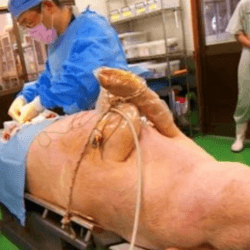
Two years later, after exhaustive studies, the U.S. Department of Agriculture’s Animal and Plant Inspection Service says it has identified the vehicle that carried the virus across the world. The culprit was something so humble, it was easy to overlook: the giant woven bags that are used to transport feed ingredients across oceans, and then reused in the United States to carry mixed feed between feed mills and onto farms.

Read full, original post: Deadly Pig Virus May Have Sneaked Into US On Reusable Bags

Related Articles

Infographic: Global regulatory and health research agencies on whether glyphosate causes cancer

Infographic: Global regulatory and health research agencies on whether glyphosate causes cancer

Does glyphosate—the world's most heavily-used herbicide—pose serious harm to humans? Is it carcinogenic? Those issues are of both legal and ...

Most Popular

ChatGPT-Image-Sep-2-2026-02_03_32-PM
AI data centers and water usage: It’s a genuine and growing problem
ChatGPT-Image-Sep-16-2026-11_28_54-AM
Viewpoint: Study links childhood vaccination to autism!!! Here’s how anti-vaxxers twist evidence to corrupt science
ChatGPT-Image-Mar-10-2026-01_39_01-PM
Viewpoint—“Miracle molecule” debunked: Why acemannan supplements don’t work
ChatGPT-Image-Sep-21-2026-10_18_59-AM-2
Viewpoint: Is corporate embrace of regenerative agriculture greenwashing?
Screenshot-2026-09-18-at-11.35.25-AM
RFK Jr.’s latest crank obsession: Protecting Americans from perfectly safe electromagnetic radiation
ChatGPT-Image-Sep-20-2026-09_47_55-AM
Trump says he’ll require drugmakers to end multiple vaccine doses, reviving discredited autism claims
Screenshot-2026-09-16-at-2.26.42-PM
Viewpoint: How to ecologically damage America’s forests: Ban glyphosate
Screenshot 2026-09-18 at 10.26
Slowdown AI development? China acknowledges serious risks but sees warnings as U.S. ploy to control the technology
Screenshot-2026-09-20-at-9.03.54-AM
From Malaysia to the world: A pioneering science communicator reimagines global science communication for a digital age
Screenshot-2026-09-20-at-4.31.28-PM
White House drafting executive order to control what OMB Director Vought claims are “woke” NIH science grants
ChatGPT-Image-Sep-17-2026-12_28_43-PM
Vitamin D, omega-3 fish oil and glucosamine supplements could cause brain damage 
glp menu logo outlined

Get news on human & agricultural genetics and biotechnology delivered to your inbox.