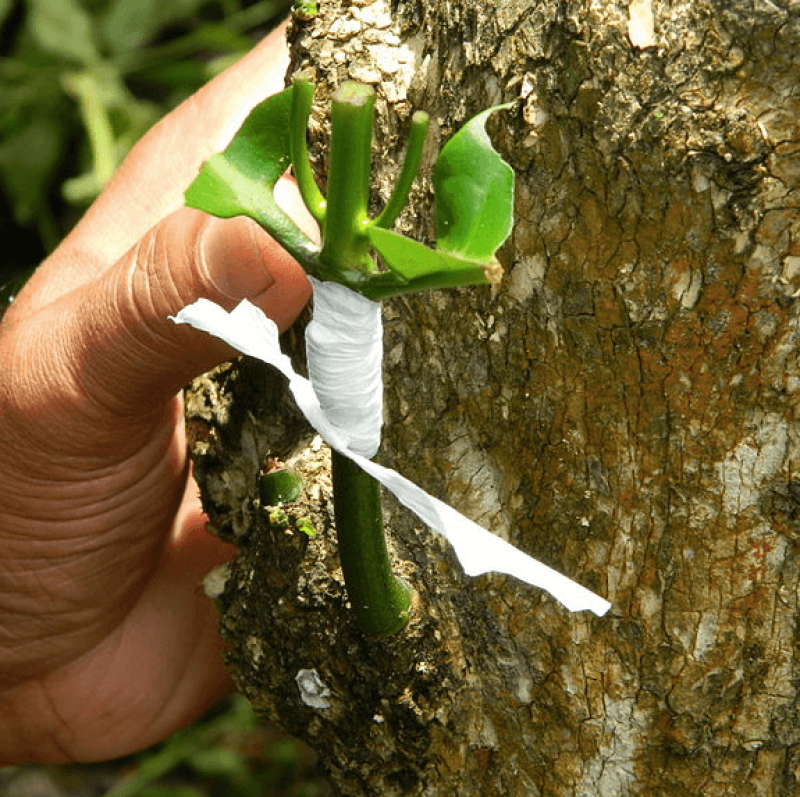
We’ve been making, eating GMOs for centuries, in form of ‘grafted plants’

Screen Shot at PM
A coffee plant graft

The GLP aggregated and excerpted this blog/article to reflect the diversity of news, opinion and analysis.

We have been accidentally genetically engineering plants – and eating GMOs – for millennia.

That is the implication of a series of studies showing the ancient practice of grafting can allow even distantly related plants to swap all three kinds of genomes they possess.

“It’s genetic engineering done by mother nature,” says Ralph Bock of the Max Planck Institute of Molecular Plant Physiology. . .

Grafting involves transplanting part of one plant onto another so they fuse and continue to grow.

Farmers [graft plants] to combine, say, a tree that bears delicious fruit with one that has disease-resistant roots. Grafting also occurs naturally, when branches press together.

Bock’s 2009 study showed that cells on either side of a graft could exchange chloroplasts – organelles that carry out photosynthesis and have their own small genome.

Then, in 2014, another study found that the entire nucleus of a cell, containing the main genome, could be transferred across grafts. The transferred nucleus can be added to an existing cell nucleus – fusing the two genomes and potentially creating a new species.

Now a team led by Pal Maliga of Rutgers University . . .has shown that cells also swap mitochondria – energy-generating organelles with a small genome of their own – across grafts.

. . . .

Because grafting has been widely used for millennia, it is highly likely that some of the plants we eat were created by this kind of unintentional genetic engineering by farmers, Maliga and Bock think.

. . . .

Bock points out that many crop plants have more than two sets of chromosomes. Such polyploidy, as it is called, is usually attributed to genome duplication, but some cases could be evidence of genome exchange in grafted plants.

Read full, original post: Farmers may have been accidentally making GMOs for millennia
Related Articles

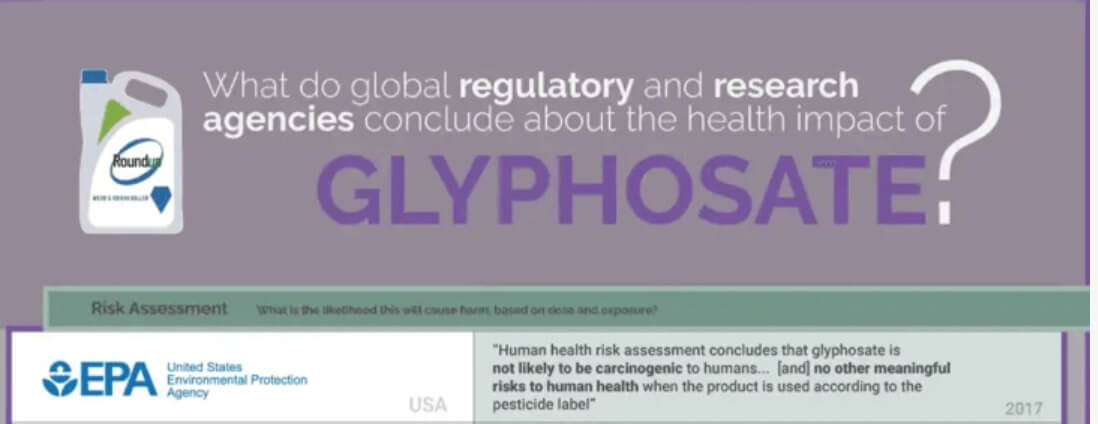
Infographic: Global regulatory and health research agencies on whether glyphosate causes cancer

Infographic: Global regulatory and health research agencies on whether glyphosate causes cancer

Does glyphosate—the world's most heavily-used herbicide—pose serious harm to humans? Is it carcinogenic? Those issues are of both legal and ...

Most Popular

ChatGPT Image Jul 31, 2026, 08_05_37 AM
26% and far worse than during COVID: Under RFK Jr., Americans’ opinion of ‘revamped’ CDC hits an all-time low
Screenshot-2026-10-26-at-11.06.10-AM
Viewpoint: The organic, good-food, small-farm movement is seductive but wrongheaded. Here’s the sustainability and environmental case for industrial farming
Cancer mRNA Vaccine Concept
'A new frontier': Though scorned by RFK Jr., personalized mRNA vaccine offers hope for many suffering from melanoma skin cancer
Screenshot-2026-10-24-121036
Many hospitals embrace longevity medicine. Are they separating science from hype?
Picture1
Viewpoint: How badly is the U.S. food-safety net fraying? FDA’s bungled handling of the tainted lettuce crisis deepens concerns over cuts to disease tracking and response
ChatGPT-Image-Mar-10-2026-01_39_01-PM
Viewpoint—“Miracle molecule” debunked: Why acemannan supplements don’t work
China Innovation Lightbulb 2
China’s 5-year plan to accelerate science innovation is putting the U.S. and Europe in the rearview mirror
Screenshot-2026-10-23-at-10.37.12-AM
Viewpoint: Drones, dollars and baby food: Critical innovations that anti-plastic ideologues willfully ignore
Crimson Drips Over the White House
In Trump administration redirect, U.S. steers NIH sharply away from biodefense and pandemic preparedness
Healthy Food Sensitivity Test Collection
Viewpoint: That’ll be $300: The wellness industry’s junk science scam to ‘fix’ your immune system that isn’t broken
West-Virginia-SNAP-Water-Bottle-Sticker
A ‘shining success’ or 'empty promises’: Two years along, West Virginians assess MAHA’s food promises
Screenshot 2026-10-16 at 5.38
PFAS in Agriculture: Science, Uncertainty, and Risk Communication
glp menu logo outlined

Get news on human & agricultural genetics and biotechnology delivered to your inbox.