Burkina Faso putting GMO cotton on hold, not abandoning it

The GLP aggregated and excerpted this blog/article to reflect the diversity of news, opinion and analysis.

Activists opposed to GMOs recently claimed that Burkina Faso had “abandoned” insect-resistant GM cotton, a move that supposedly spelled doom for biotechnology throughout Africa. But reports of GM cotton’s death are also an exaggeration.

. . . .

GM cotton was commercialized in Burkina Faso in 2008. . . it rapidly gained popularity with farmers because of its ability to resist the devastating bollworm pest without the use of expensive and potential harmful pesticides. That meant the farmers who adopted GM cotton used less insecticide, while earning more profit from reduced costs and higher yields.

. . . .

. . .[A]n issue recently erupted when cotton companies rejected some of the GM crop due to its fiber length — something the anti-GMO activists latched onto and tried to inflate.

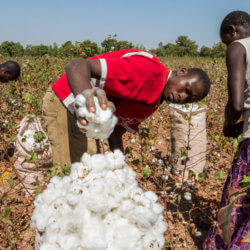
Cotton companies prefer long cotton fibers that are around 27-29mm in length. But the GM cotton grown in Burkina Faso tended to produce shorter fibers, around 25-27 mm long. Did this perhaps indicate a failure of genetic engineering technology, as the anti-GMO activists claimed?

Actually the issue is basic crop breeding, unrelated to the genetically engineered traits. When the insect-resistant traits were bred into the regional cotton varieties that Burkinabe farmers prefer, genes conveying a shorter cotton fiber length were retained from the local varieties. Over time, the proportion of short fibers outpaced the longer fibers that cotton mills desire.

Burkinabe researchers are now working with Monsanto to fully “convert” local long-fiber cotton varieties to carrying the insect-resistant trait. . . . In the interim, farmers and cotton companies agreed to temporarily halt the cultivation of GM cotton to prevent the short-fiber trait from becoming more prevalent.

Read full, original post: Burkina Faso Puts GM Cotton on Hold

Related Articles

Infographic: Global regulatory and health research agencies on whether glyphosate causes cancer

Infographic: Global regulatory and health research agencies on whether glyphosate causes cancer

Does glyphosate—the world's most heavily-used herbicide—pose serious harm to humans? Is it carcinogenic? Those issues are of both legal and ...

Most Popular

Glossy Plastic Bag of Tokens and Labels
Viewpoint: How CNN got played by environmental activists pushing a plastics scare and litigation agenda
Neon Syringe Portrait with BPC-157
Viewpoint: Peptides and medical freedom: The MAHA obsession that can damage your health
Screenshot-2026-10-21-at-11.30.51-AM
Viewpoint: Yes, our food system stinks, but the attack of ultra-processed foods is often misplaced
Screenshot-2026-10-30-at-11.36.40-AM
An Earth-saving benefit of global warming?: How fossil fuel-burning humans stopped the looming Ice Age
ChatGPT-Image-Mar-10-2026-01_39_01-PM
Viewpoint—“Miracle molecule” debunked: Why acemannan supplements don’t work
Robots in a Futuristic Conference Meeting
Helpful until we’re helpless? Researchers warn AI is gradually eroding human control
Screenshot-2026-10-30-at-11.20.30-AM
‘Silent killer’: Hepatitis B could surge under Trump–RFK Jr. rollback of newborn vaccine recommendations
Screenshot 2026-07-29 at 10.40
The COVID vaccine turbo cancer scare is back. Science still proves it’s wrong.
Patriotic Flag in a Glass Flask
Viewpoint: America Last: From the Pentagon to universities, Trump’s corruption of science could inflict lasting, irreversible damage on U.S. research
Screenshot 2026-10-27 at 10.32
“Do your own research”: What Medicare’s annual open enrollment circus teaches us about the seductive trap of DIY health and science
Screenshot-2026-10-29-at-10.31.49-AM
Solar engineering to cool the planet might well work. Could it touch off a geoengineering arms race?
glp menu logo outlined

Get news on human & agricultural genetics and biotechnology delivered to your inbox.