


Chemical Controversies

GLP podcast: About that lousy glyphosate-damages-sperm study; Social media can be good for teens? ‘Carnivore’ diet facts and myths
A recent study and subsequent news coverage alleged that the weedkiller glyphosate causes reproductive damage in men. As usual, there ...

Viewpoint: ‘Organic products are safer for consumers than conventional products?’— In Canada, 46% of organic produce tests positive for pesticide residue
Over and over, the term ‘organic’ is used as an umbrella for a variety of qualitative features in food. There ...

‘We used to spray 12 times in a year. It is now at most four times’: Kenyan farmers reap benefits of embracing genetically modified pest resistant Bt cotton
In Embu and Kirinyaga counties, Bacillus thuringiensis (BT) cotton is the most prized arrival since sliced bread ...

Nuisance lawsuits against safe chemicals have soared due to proliferating junk science. Meet one whistleblower trying to change that
A vital battle is being waged daily by researchers like Lonni Besançon, who devote their spare time to fighting scientific ...

Viewpoint: Organic food certification is nothing more than a ‘belief system’ — Here’s how it went from a ‘weird cult to a $135 billion business’
If you buy kosher food, how do you know it is really created using a special process? The same goes ...
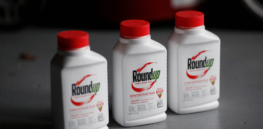
Bayer begins push for nationwide legislative protection against what it believes are unfair suits against needed crop protection tools like glyphosate
After failing in several U.S. states this year, global chemical manufacturer Bayer said May 21 that it plans to amplify ...

Viewpoint: Chemophobia at the Wall Street Journal: Why did the WSJ assign a finance journalist to author a hit piece on a former EPA official-turned-consultant that misreports the science consensus on glyphosate and PFAS chemicals?
Every now and then an article is published that is so regrettably polarizing, so tilted to a “Good vs Evil” ...
GLP podcast: Mother Jones blasts AAP anti-GMO report; Animals mistreated on organic farms? Why did humans evolve to love music?
Once fiercely skeptical of "Big Ag," even adamantly progressive media outlets like Mother Jones are beginning to embrace the use ...

How the media portrayed a study: “High Levels of Glyphosate Found in Sperm” – What data actually show: Almost no chemical traces and no effect on sperm
The headlines explode in horror and the anti-glyphosate mobs spring to action. The headlines scream: Males may not be able ...

Let’s review the (faux) claims of a pesticide-caused insect collapse
If you keep up with the news in the mainstream media, you might think it’s time to ditch the flyswatter ...

Bayer’s efforts to convince state legislatures to block glyphosate class action suits that contradict ‘sound science’ run into political buzzsaw
On the merits, Bayer has a strong case: important regulators don’t believe that glyphosate, the main ingredient in Roundup, causes ...

Organically-grown genetically modified crops? Scientists unveil plan to bridge the ideological gap
Highlights Current regulations do not permit GM food be labeled organic or GM content be used in certified organic products ...

‘Tool of major corporations’? CRISPR gene editing and other new breeding techniques are improving yields and climate resiliency, but opposition from environmental advocacy groups slows adoption
While genetically modified crops may still provoke fear and uncertainty, some scientists argue that not only can they help to ...

Viewpoint: Mother Jones takes stand against American Academy of Pediatrics’s misguided case against GM crops and glyphosate
The American Academy of Pediatrics issued new guidelines for doctors fielding parents’ questions about the risks of foods containing genetically modified ...

Organic soil conditioners deadly to beneficial, soil-enhancing worms widely used and unlabeled
Gardeners are inadvertently killing scores of earthworms with soil conditioners marketed as “organic”, experts fear, as they call for tighter ...

Agricultural science and organic farming: Time to change our trajectory
When the term organic farming was first used (ca. 1941; Paull, 2014), it was as a response to the introduction ...
GLP podcast: Exposing nutrition myths and fact-checking Instagram ‘biohacking bros’ with Dr. Andrea Love
Reporters, alt-health gurus and even some scientists warn consumers to avoid so-called "ultra-processed foods." These cheap, convenient products–loaded with sugar, ...

Viewpoint: Aftershocks from American Academy of Pediatrics attack on glyphosate—‘Misinformation about the genetic engineering of crops hinders the development of sustainable agriculture technologies’
Repetition creates belief. And claims about the harms of glyphosate have persisted for decades. Unfortunately, even medical organizations like the ...

Viewpoint: A science-based assessment of glyphosate — risks and benefits
Contrasting perspectives on glyphosate’s use require a risk-benefit analysis. While some focus solely on risks, a closer examination reveals its ...
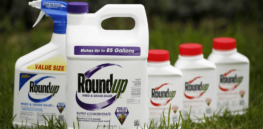
Missouri follows Iowa and Idaho in exploring legislation to limit lawsuits against makers of glyphosate and other pesticides deemed safe by federal government
The Missouri House gave initial approval to a bill that could protect pesticide manufacturers from some cancer lawsuits ...

Viewpoint: Two independent Vermont agencies determined there is no scientific basis in banning neonicotinoid pesticides to ‘save honeybees’ while some advocacy ‘environmental’ groups contend otherwise. It’s now in the governor’s hands to decide if naked ideology will prevail
Despite Vermont's Agricultural Innovation Board (AIB), created to inform regulatory recommendations using science, flatly stating there was no basis for a ...
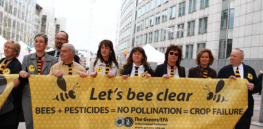
Viewpoint: America now has a record number of honeybees. How did we get from ‘beepocalypse’ to bee abundance?
You can relax, everyone: The honeybees are back. As Andrew Van Dorn of the Washington Post reported recently, America suddenly now has ...
Viewpoint: Consumer Reports flunks Chemistry 101 — again — in scientifically illiterate, reckless, data-manipulated claim that conventional produce poses ‘serious pesticide risks’
Headlines about harmful pesticides in conventional foods are lying to you in order to create fear. Another day, another post ...

Counterintuitive agricultural science: Organic farming can lead to increased use of pesticides in neighboring conventional fields
New research adds to the increasingly nuanced picture of organic farming and how well it can meet both our food and ecological ...
GLP podcast: Golden Rice delayed in the Philippines; Ozempic could reshape our food supply? Exposing myths about cancer risk
A court in the Philippines has blocked the release of vitamin-A fortified Golden Rice in the country. What happens next? ...
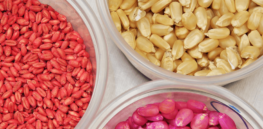
Viewpoint: The case against banning neonicotinoid pesticides
As Consumer Choice Center, we believe that Bill H.706 – which plans to ban the use of neonicotinoid treated seeds ...
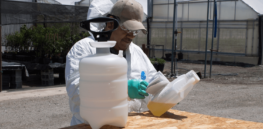
From 72 to 400: US announces expansion of number of agricultural chemicals it will monitor
For several years, biologist Nathan Donley has worried about the future of a pesticide database run by the U.S. Geological ...
