



Chemical Controversies

Thankful for science: How pesticides made your Thanksgiving meal possible
This year, you're going to pay 24 percent more for a turkey, a tough bite out of the wallet for ...

‘Monsatan’ resurrected: Washington Post bungles review of misguided (and erroneous) new book
What better time than the Halloween season to indulge anxieties about mortality and its discontents and give running room to ...

Glyphosate herbicide helps reduce carbon emissions in agriculture, academic study finds
In the early 1990s, tillage was the leading form of weed control, with minimum/zero-tillage management practices incapable of long-term continuation ...
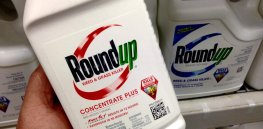
California court upholds $86.2 million settlement against Bayer for alleged damages caused by Monsanto’s Roundup weedkiller
The state Supreme Court rejected a challenge by Monsanto Co. on [November 17] to $86.2 million in damages to a ...

Seed Speaks Video: Getting beyond the myth that synthetic pesticides do more harm than good
With questions about sustainability and safety from consumers, and efficacy and longevity from farmers, pesticides have many questions that need ...

Replacing chemical pesticides? Sprays made from RNA may be the next generation of plant pest control
The downsides of existing fungicides and pesticides are well-known: Residue from the sprays can build up in the environment and ...

EPA concludes three commonly-used herbicides can harm endangered species and their habitats
The Environmental Protection Agency has finalized biological evaluations concluding that three common herbicides can adversely affect endangered species or their ...

95% fewer insecticide applications? How integrated pest management (IPM) strategies can improve crop yields while slashing pesticide use
We used a 4-y experiment using commercial-scale fields replicated across multiple sites in the midwestern United States to evaluate the ...

Class action tort reform: Why ‘outrageous’ judgements against Bayer in glyphosate cancer scare makes a case for dramatic legal changes
Legal reform advocates nationwide recognize October as “Lawsuit Abuse Awareness Month.” This year, the U.S. Supreme Court can help highlight ...

Fruits, vegetables and nuts: USDA-EPA-agricultural industry-public partnership project endorses continued support for neonicotinoids in specialty crops
The IR-4 project established by the USDA provides information to the U.S. Environmental Protection Agency to support use of neonics ...

Sri Lanka pauses organic-inspired ban on synthetic fertilizers
Barely six months after Sri Lanka’s overnight flip to complete organic cultivation and ban on chemical fertiliser imports, several stumbling ...

GLP Podcast: Poison ivy vaccine; Exercise doesn’t always cause weight loss; Essential oil videos debunked
Poison Ivy plagues outdoor enthusiasts everywhere. Is a vaccine on the horizon? Exercise is great for your health, but a ...

Viewpoint: ‘There is nothing chemical-free’ — Organic foods and farming present numerous unacknowledged hazards
[Alexandra Correia:] What do you think when you hear “chemical free product”? [Nuno Maulide, Director of the Institute of Organic ...
GLP Podcast: Smoking prevents COVID? CRISPR and nuclear weapons; Bayer wins first glyphosate case
Smokers appear to face a reduced risk of catching COVID-19. Does their deadly habit offer them some sort of protection? ...

Viewpoint: UK’s ‘unreasoned ban pesticides approach’ must give way to an informed debate on which technologies best serve society and the environment
We stand at a real crossroads in our response to the challenge of developing new and better pesticides. The unreasoned ...

Honeybee losses in Canada hit 10-year low, raising doubts about need for neonicotinoid bans to protect pollinators
The percentage of Ontario honeybee colonies dying over the winter declined for a third straight year, as hive mortality fell ...

Risk vs. hazard: Current regulatory structures rely on outdated and flawed Precautionary Principle to assess potential dangers of chemicals
There has been a long running controversy about the relative merits of hazard-based versus risk-based approaches in managing the potential ...

Church of Scientology key driver of glyphosate class action suits
If it is now established that there would never have been a "glyphosate" case without the decisive impetus given by ...

Bayer claims first victory in glyphosate litigation, as jury rejects claim weedkiller caused a child’s non-Hodgkin’s Lymphoma
Bayer AG won its first trial over claims its Roundup weedkiller causes cancer after a California jury found that the ...

Videos: Debunking three viral social media videos that promote ‘snake oil’ products and spread misinformation about the ‘dangers’ of pesticides on produce
Here I’m going to explore three viral videos I’ve come across on social media in which [multi-level marketing, or] MLM ...

Viewpoint: The EPA is embracing ‘precautionary politics’ — and abandoning its long-time commitment to evidence-based risk-benefit assessments of agricultural chemicals
Unlike the European Union, the U.S. has maintained a reasonable standard on studied substances allowed for use in modern agriculture ...

Replacing industrial produced fertilizers: Specially-bred soil-enriching bacteria poised to dramatically cut crop chemical inputs, protecting farms and the climate
[A]s the world’s demand for agricultural products has grown, the nutrients needed to grow all our crops has far outpaced ...

Viewpoint: How European ‘precautionary politics’ hobble Kenya’s attempts to embrace biotechnology
Europe has now changed the way it approves pesticides, with its decisions no longer based on science or international testing ...

‘We’re simultaneously reducing our reliance on crop-protection products and getting better at killing weeds’: Crop biotechnology and other innovations provide pesticide alternatives
Controlling weeds is all about balance: We must balance the needs of the plants we want to grow and those ...

Viewpoint: European political opposition to genetically modified crops softens while US anti-glyphosate hysteria rages
Unlike America, Europe has traditionally been highly cautious of genetically modified organisms (GMOs) – specifically, crops for animal feed and ...

Viewpoint: Organic only experiment in Sri Lanka goes awry — ‘The government would do well to listen to the country’s agricultural scientists and not to quacks masquerading as experts’
[Sri Lankan] President Rajapaksa’s ill-conceived and extremist policy, announced in April this year, of banning the import of all chemical ...

Viewpoint: Meta-review of 266 studies concludes weedkiller paraquat doesn’t cause Parkinson’s disease
In order to examine the extent to which a consensus exists in the scientific community regarding the relationship between paraquat ...
