


Chemical Controversies

Does Ireland’s GMO crop cultivation ban undermine push for sustainable agriculture?
At a time when we should be focussed on building a robust agriculture system that can cope with global climate ...

GMO Bt insect resistant eggplant accounts for 20 percent of Bangladesh market, sells for 6 times conventional
Eggplant is a staple in vegetarian diets throughout South Asia, and one of the cheapest vegetables to procure by resource-poor ...
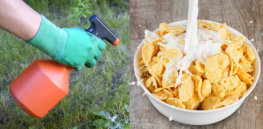
In wake of Environmental Working Group’s glyphosate-cereal report, Chicago day care bans Cheerios
A North American day care company with nine Chicago-area locations has stopped serving Cheerios in response to a recent report ...

GMO corn could be key to controlling invasive fall armyworm pest in Asia
[T]he fall armyworm, an invasive crop pest .... has now been officially confirmed for the first time on the Asian ...

Responding to Senator Schumer’s demand for glyphosate data, FDA says it found ‘no pesticide residue violations’
[The recent] media frenzy — and large dose of scientific criticism — over the Environmental Working Group’s glyphosate residues report, ...

Farmers say Laura Prepon and other anti-GMO celebrities make their jobs harder
I really wish there were more celebrities out there who embraced the biotechnology and the benefits behind modern agriculture. ...

Growing GMO soybeans in South America cut greenhouse gas emissions equivalent to removing 3.3 million cars from the road
This study assesses the economic and environmental impacts that have arisen from the adoption and use of genetically modified (GM) ...

Ancient genetic oddity makes whales and other aquatic mammals deadly susceptible to common pesticides
Over the past 50 million years, a group of small, hoofed mammals gradually evolved into today’s whales and dolphins. In ...

Viewpoint: IARC’s defenders ignore cancer agency’s flawed research, conflicts of interest
I woke up .... to find an article by Neil Pearce, a professor at the London School of Hygiene and Tropical Medicine, ...
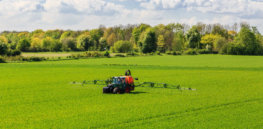
Farmers consider a world without glyphosate—and it’s less than ideal
"More glufosinate, maybe more paraquat." "I would have to find a different burn down chemical, likely paraquat. Would use more ...
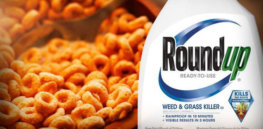
Citing food safety concerns, Senator Chuck Schumer demands FDA release glyphosate study
The [FDA] has test results [on the herbicide glyphosate] that’s been popping up in everyday foods like breakfast cereals and ...

The disconnect between predictions of a ‘bee-apocalypse’ and rising bee populations
Media stories around bee-apocalypse and imminent collapse of the human food system require a dose of reality. ... There are ...

Viewpoint: Monsanto is no victim, but Roundup-cancer verdict isn’t backed by science
At the outset, let’s stipulate — as the lawyers might say — that the chemical giant Monsanto is not well ...
Roundup for breakfast? Checking the math on claims that glyphosate infects breakfast foods
No one wants .... to give their children a breakfast that is contaminated with weed killer. That’s why a new ...
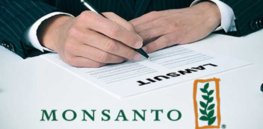
Plaintiff’s story convinced jury of glyphosate-cancer link, but other courts may rule the herbicide is safe
Despite a San Francisco jury’s verdict [August 10th] that the cancer .... of a Bay Area school groundskeeper was caused ...

Viewpoint: Verdict in glyphosate trial suggests environmental activists are fair-weather fans of science
[A]re scientists supposed to be the folk heroes of environmental activists or not? When the subject is climate change they ...

If Ghana follows Nigeria’s lead and approves Bt cotton, it could jump-start its textile industry
Nigeria’s decision to commercialize Bt cotton has revived hopes for the novel variety in Ghana, its West African neighbor. Science-focused ...
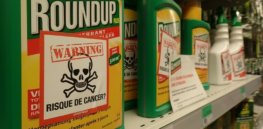
Viewpoint: France’s agricultural policies giving rise to ‘green totalitarianism’
[France] is slowly drowning reason in a mass of ideologies that stifle common sense. On glyphosate, the French Association for ...

In wake of California jury’s glyphosate verdict, New Zealand likely won’t revisit conclusion that herbicide is safe
A lot has been said about a recent court case ruling about Monsanto’s Roundup ..... Adding to the mix, in ...

Viewpoint: Jury’s glyphosate cancer ruling doesn’t change fact that all farmers need pesticides to grow food
It may seem like Judgment Day has come for glyphosate, with a California jury slapping $289 million in damages on Monsanto Co ...

In landmark case, activist attempt to block introduction of GMO corn dismissed by Nigerian High Court
Just two weeks after Nigeria’s federal government approved the commercialization of Bt cotton, scientists scored another victory with a court judgment ...

Glyphosate and cancer—revisited
I’ve already written about this topic back in 2015. Much of the information below is from that original blog post, ...

No link between increased pesticide use and childhood cancer, study suggests
Like the word "chemical," the word "pesticide" has been hijacked and then unfairly demonized. Scientists use the word pesticide to refer to ...

Organic Times: New satire site takes Onion-like look at crop biotechnology activists
Agriculture is a serious topic. While farmers in the developing world struggle to save their crops from pest invasions and ...
Roundup trial: California jury’s glyphosate verdict spurs effort to ban the herbicide in Europe
A landmark court ruling in the U.S. holding Monsanto liable for causing cancer through its glyphosate-based weedkiller is adding fuel ...
Reflections on the glyphosate cancer ruling: Citing court decisions is common tactic among science deniers
Most people have probably seen the recent news that Monsanto has been ordered to pay $289 million following the ruling ...
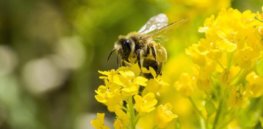
Canada will phase out two kinds of neonicotinoids in 2021, citing harm to bee populations
The federal government will begin phasing out the outdoor use of nicotine-based pesticides beginning in 2021 ... Neonicotinoids, or neonics, ...
