



Chemical Controversies
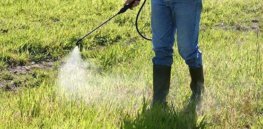
Judge delays glyphosate lawsuit after study of 45,000 people finds no link to cancer
In October 2016, the U.S. Judicial Panel on Multidistrict Litigation (JPML) consolidated all federally-filed Roundup lawsuits into one court in ...
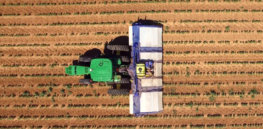
How artificial intelligence might solve the ‘chemical treadmill’ farmers are trapped in to kill crop-choking weeds
After months of research, they faced a disappointing truth: There was no way around herbicides. “Turns out zapping weeds with ...

Sri Lankan tea farmers want glyphosate herbicide ban overturned
Tea farmers in Sri Lanka want their government to reauthorize the use of glyphosate for agriculture. The country is one ...
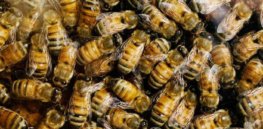
Herbicides and fungicides could be key factors in bee health problems, study finds
Honey bees might be drawn to the very chemicals that are endangering them, based on experiments in which they preferred ...

Study: Pesticide residue on food as risky as drinking one glass of wine—every 7 years
Relatively few studies are available on realistic cumulative risk assessments for dietary pesticide exposure. Despite available studies showing low risk, ...
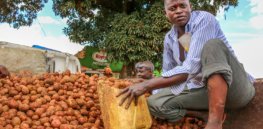
Blight-resistant GMO potatoes could reduce pesticide use in Uganda
Uganda is steadily progressing towards having a potato that will not require chemical spraying. ... According to Dr Alex Barekye, ...
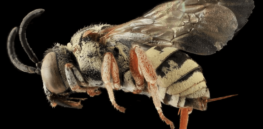
Rethinking the pesticides–neonicotinoids–bee health crisis narrative: Why the media get it wrong
Are bees endangered because of the use of insecticides, and in particular the class of chemicals known as neonicotinoids, which ...
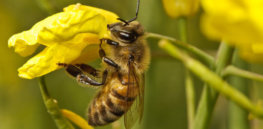
Despite 2014 EU ban, neonicotinoid insecticides still found in quarter of UK honey samples
Almost a quarter of British honey samples remain contaminated after a partial ban on neonicotinoid pesticides, new research has revealed ...

Herbicide-resistant ‘super weeds’? Don’t blame GMO crops, study says
Andrew Kniss is a professor of weed science at the University of Wyoming Genetically engineered (GE) herbicide-resistant crops have been ...
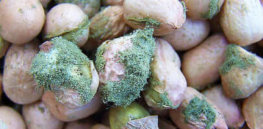
Can online gamers help developing nations solve aflatoxin crop contamination?
Puzzle solvers at the website Fold.it, a crowdsourcing project, are being asked to look for new and efficient ways to ...

GM Arctic Apple promises to ‘dramatically reduce’ consumer food waste
I’m an apple loyalist—I pack one as an after-lunch snack nearly every day of the week. So I jumped at ...
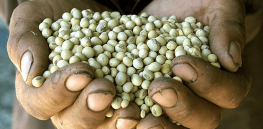
Are seed patent protections abused by Monsanto and other agro-corporations?
Anti-GMO critics often claim major agricultural companies use seed patents to control farmers rights, which they say also limits innovation ...

Scientist raised next to sugarcane farm where controlled burning rampant explains ecological benefits of GMO sugar beets
In the early 90s, I lived in Barquisimeto, Venezuela, known for music, art, and its green Valle del Turbio. This ...

‘Cruel and inhumane for rich nations to deprive developing world of GMO technology’: Purdue president Mitch Daniels
Of the several claims of “anti-science” that clutter our national debates these days, none can be more flagrantly clear than ...

Banning glyphosate: France may replace well-tested herbicide with pelargonic and other more toxic ‘natural’ chemicals
Activists say glyphosate can be replaced with natural herbicides—but "natural" doesn't necessarily mean that they're safer or better for the ...
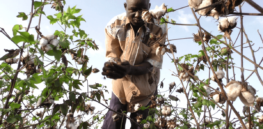
Phase out of GMO cotton in Burkina Faso taking increasing toll on farmers and industry
When cotton traders in Burkina Faso announced in 2015 that they were phasing out the cultivation of genetically modified cotton, they attributed ...

Fraudulent ‘organic’ food imports overwhelming USDA, investigation finds
The U.S. Department of Agriculture fails at regulation of organic food as fraudulent products overwhelm the agency’s conflicted, compromised system, ...

Global glyphosate herbicide ban would cause substantial damage to economy and environment, study shows
A new study finds that a ban on glyphosate would cause billions of dollars in economic losses and increase the ...
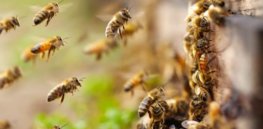
Canada proposes new limits—but no ban—on neonicotinoid insecticides to protect bees
The [Canadian] federal government has proposed tighter restrictions around two insecticides that are harmful to bees, but stopped short of ...

EPA reaffirms global scientific consensus that glyphosate herbicide does not cause cancer
The federal Environmental Protection Agency on Monday [Dec. 19] said glyphosate, the primary ingredient in the weed killer Roundup and ...

US funding for cancer agency threatened over handling of controversial glyphosate report
US congressional committee members want to hear testimony from representatives of the International Agency for Research on Cancer regarding its ...
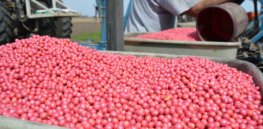
EPA reverses course, says neonicotinoid insecticides benefit soybeans, other crops
EPA has reversed an Obama-era determination that seeds treated with commonly-used neonicotinoid insecticides bring little benefit to soybean production, a ...
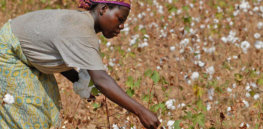
Can Burkina Faso’s problems with Monsanto’s GMO cotton seeds be fixed?
In the early 2000s, the US agricultural firm Monsanto began tests to introduce genetically engineered cotton seeds with the potential ...

Senator Elizabeth Warren sounds off on Monsanto-Bayer merger
Back in September 2016, US agribusiness titan Monsanto and German chemical conglomerate Bayer agreed to a $66 billion merger, making way ...

New herbicide-resistant GMO crops renew worries about Monsanto’s seed market dominance
The rapid growth of Monsanto's new GMO seeds resistant to the controversial herbicide dicamba has revived worries about the company's ...

To protect vineyards from pests and reduce pesticide use, CRISPR could be the answer
The powdery mildew fungus decimates vineyards around the globe. As pesticides become less effective, some scientists are turning to gene ...

GMO rebound: Record 457 million acres of genetically modified crops grown worldwide
Genetically modified crops were planted on a record 457.4 million acres globally in 2016, up 3 percent from the 444 ...
