


Agriculture & Food

Next-generation sweeteners: Balancing function and flavor while navigating regulatory hurdles
With an increase in consumers looking for products with lower sugar contents and a need to be transparent with ingredients, ...

Viewpoint: Activist hyped study ‘proving’ that glyphosate can cause leukemia is junk science
The discussion around glyphosate, a widely used herbicide, is becoming increasingly charged, especially with new studies surfacing that suggest a ...

What is ‘Green AI’?
Degradation of the natural environment, resource depletion, and climate crisis are intricate phenomena requiring innovative and advanced solutions. This is ...

New Zealand’s plan to end 30-year ban on gene editing technology sparks ag industry optimism and public debate
The Gene Technology Bill was discussed at length at the second annual Plant Breeders' Forum in Ōtautahi Christchurch ..., hosted by the ...

From non-browning apples to robot harvesters, Okanagan has a radical plan to reshape the apple orchard
Before Neal Carter invented the world’s first commercially produced bioengineered apple, he helped mechanize lentils in the Middle East, diversify ...

Americans are eating less ultra-processed foods, but we’re still not eating healthier. Here’s why
Americans, on average, get 55% of their calories from ultra-processed foods, according to a study published ... by the Centers for Disease ...

Gene editing breakthrough: Chile becomes first country in the Americas to approve high fiber wheat
The Chilean startup Neocrop Technologies, in collaboration with the national seed company Campex Baer and Argentina’s Buck Semillas, has developed ...

Bayer’s plan to contain still spiraling suits against glyphosate
Bayer will “significantly contain” glyphosate litigation by the end of 2026, CEO Bill Anderson said ... during the company’s second-quarter ...

The ‘Mind Diet’: How our diet shapes cognitive health and dementia
There’s long been evidence that what we eat can affect our risk of dementia, Alzheimer’s disease and cognitive decline as we age ...

Viewpoint — Agricultural biotechnology: Government regulations and court rulings in 7 jurisdictions around the world
Many courts around the world have issued judicial opinions about agricultural biotechnology. ... In chronological order of issuing the opinion, ...

Viewpoint: ‘Travesty of science’: Latest ‘global glyphosate study’ is a scientific mess issued by the ethically-compromised Ramazzini Institute
In June, the Ramazzini Institute published the results of its long-heralded Global Glyphosate Study via an article in a Ramazzini-managed ...

Understanding plant biodiversity: Myths and facts
[W]hen we say “lost genetic diversity”, everyone understands extinction both in terms of species and variety. The registered varieties have ...

Science, safety and solutions: GMO promotion in Ghana
Movements opposing genetically modified organisms (GMOs) remain one of the most impactful protest movements in recent times, successfully suppressing the ...

GLP spaces on X: Climate change and meat. Separating fact from hype
Red meat is often scapegoated as a major villain in the popular story about our global efforts to prevent a ...
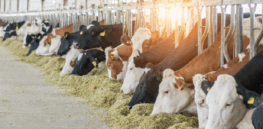
Europe takes first step toward greenlighting genetic editing of food animals
The European Food Safety Authority (EFSA’s) Genetically Modified Organisms (GMO) Panel has published a new scientific opinion on the use of synthetic ...

How AI bots are redefining agriculture
The rapid advancement of artificial intelligence (AI) in agriculture is transforming the way farming operations are conducted, marking a significant leap towards more ...

Viewpoint: Heavy metal contamination of our food supply is a growing threat. MAHA needs to act
As the next phase of the Make America Health Again plan is developed, it must include a significant effort to ...

Viewpoint: Environmental activists’ doomsday pessimism undermines agricultural biotechnology
We live in a precautionary era in which technological breakthroughs poised to dominate the coming decades—from artificial intelligence and nanotechnology ...

Lab grown, cell based salmon now on sale in San Francisco Bay area
It's lunchtime at the San Francisco headquarters of Wildtype. And company founders Justin Kolbeck and Arye Elfenbein, M.D., believe what's ...

India determined to ‘protect’ country’s food system from what many claims is encroachment by U.S. farm and food practices
As the global food industry becomes highly corporatized, with businesses moving rapidly towards genetically modified crops and lab-grown meat, to ...
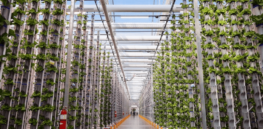
AI pushes sustainability envelope in vertical farming
In a world where arable land is shrinking and climate instability threatens food security, vertical farming has emerged as a ...

10 years ago, the hazard agency IARC called glyphosate a ‘likely carcinogen’. It weaponized chemophobia, corrupted environmental groups and ignited a tort bonanza
Ten years ago this week, the International Agency for Research on Cancer (IARC) released the full Monograph 112, that included a ...

‘Cheap, convenient and tasty’ — over half of Americans’ calories come from ultra-processed foods
The consumption of ultra-processed foods is on a slow decline, though most Americans — and especially children — are getting ...

Gene edited oats contain more fiber and are more climate resilient
McGill researchers just changed how oats grow. Using CRISPR-Cas9, they edited the crop’s DNA without adding any foreign material. That ...

Viewpoint: GMOs could improve global food and farm yields by more than 20%
In recent years, genetically modified organisms (GMOs) have become one of the most pivotal agricultural innovations, profoundly transforming the way food is produced and managed worldwide. With global populations on the rise and climate change introducing unprecedented challenges to farming and ...

AI and robotics deployed to combat labor shortages and boost yields
Farmers are increasingly turning to artificial intelligence and robotics to combat labor shortages and boost yields, even as these technologies ...

Viewpoint: GOP-loyal farmers surprised by ‘friendly fire’ amid Trump agenda of deportations, trade wars, and pesticide bans
Farmers, a solidly Republican constituency, are scratching their heads over what they see as a barrage of friendly fire. Agriculture ...
