


Featured in Weekly Newsletter
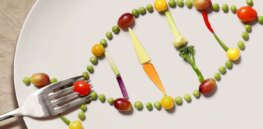
Nutrigenomics: Can what you eat reprogram your genes?
People typically think of food as calories, energy and sustenance. However, the latest evidence suggests that food also “talks” to ...

GLP Podcast: ‘Cancel’ culture comes for science outreach; Activism blocks avian flu solution; CRISPR-edited cats?
A major university recently halted a science outreach event because the invited speakers were white men. Has so-called "cancel culture" ...

Viewpoint: What regulatory and diplomatic steps are necessary to forge a transatlantic alliance promoting agricultural biotechnology innovation?
Mutual self-interest provides a strong basis for transatlantic cooperation in biotechnology based on shared recognition of its vast potential to ...

Where should society draw ethical lines for experimental CRISPR gene therapies that appear able to cure diseases?
It has been more than a year since Markus Mapara, MD, a professor of medicine and director of blood and ...
What are acetogens? And how could synthetic biology turn oil, coal and other fossil fuels into green, carbon-negative chemicals?
When most people hear about oil, as in petroleum, they think of what gets refined to produce gasoline. But it’s ...
Part II: The Clean 18 — USDA finds almost no pesticide-related health concerns from fruits and vegetables grown on American farms, while data on organic food is lacking
The purpose of the following section is to explore commodity to commodity differences by a variety of measures and not ...

Should Medicare routinely cover cost of $28,000-a-year Alzheimer’s drug Adumelm? Most medical professionals say ‘no’ but the pharmaceutical industry is fighting back
The drug industry, patient advocates, and congressional Republicans have all attacked federal officials’ decision to decline routine Medicare coverage for ...
Part I: The Clean 18 — Challenging Environmental Working Group’s Dirty Dozen scare survey of pesticide residues on conventional fruits and vegetables
The recent release of the “Dirty Dozen List” by the organic-industry-funded Environmental Working Group has stirred up its annual hornets’ ...

Viewpoint: Is science white or black? Politically-correct censorship targeting whites and supporters of biotechnology invade academia
North Carolina State University recently cancelled a science-outreach event because the invited speakers have the wrong skin color. It's another ...
Viewpoint: There is a solution to the devastating poultry pandemic – but anti-technology activist groups and outdated regulations are blocking it
The bulldozer belches black smoke into the air, an engine revving with extra effort to push a hill of feathered ...
GLP Podcast: Artificial sweetener-cancer study debunked; MLB and vaccine mandates; Cholesterol not so bad after all?
A controversial study recently suggested that artificial sweetener consumption may be linked to elevated cancer risk. Have food-safety regulators overlooked ...
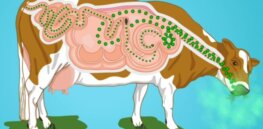
Will plant based meat alternatives curb the greenhouse gas impact of animal agriculture? This independent study concludes consumers are key
New plant-based meat (PBM) alternatives that aim to mimic the taste and texture of beef could have significant economic, environmental, ...

Why the developing world isn’t reaping benefits from the human genomics revolution
Since the first human genome was sequenced in the early 2000s, scientists have touted the breakthrough as a blessing to humanity ...
Mexico’s plan to ban glyphosate by 2024 is already backfiring against farmers, consumers and the environment
The Mexican government is still on track to ban completely by 2024 the use of glyphosate which is paired with ...
Probiotics: Solution to long-COVID or overhyped sales pitch?
“Could THIS twice-daily probiotic supplement filled with gut friendly bacteria help beat Long Covid?” That’s the headline in the Daily ...

‘Here, CRISPR critter’: How to gene edit a hypo-allergenic cat
I pity the 15 percent of the human population that cannot live with a cat, due to allergy. I’ve seen ...

How Russia’s invasion of Ukraine endangers our global food system
Life is full of unintended consequences. And unfortunately, the Russian invasion of Ukraine has provided classic proof of the old ...

Why Africa needs access to both traditional agricultural tools and cutting-edge biotechnology innovations
As an agricultural and environmental scientist, I’ve worked for decades exploring the practical challenges that smallholder farmers encounter in East Africa ...

Children with deadly immune disorders remain healthy a decade after being treated with gene therapy
Over a decade ago, UCLA physician-scientists began using a pioneering gene therapy they developed to treat children born with a ...

Biotechnology key driver of sustainable agriculture innovation in Canada
Anyone who has driven through or flown over, the Canadian prairies during the summer in the past decades, will likely ...
How once-distinguished The Lancet has become hothouse for anti-science advocacy
Misinformation is rampant on social media. The science community has spent most of the last two years trying to slow ...

Why did the earliest humans leave Africa?
On a searing hot summer day at ‘Ubeidiya, an ancient site in northern Israel, an undulating expanse of dry grasses ...
Global crop gene editing advances as numerous countries break from European Union’s restrictive policies
Great Britain has already decided to take the first steps, as has Switzerland: dealing with simple genome-edited plants will be ...
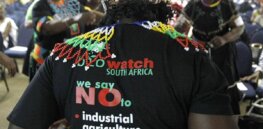
Viewpoint: How South Africa is bungling regulation of CRISPR and other gene edited crops — and why consumers will pay the price
Food security is a global priority – and it is becoming more urgent in the face of climate change, which is ...

Globalization of disease: COVID has sparked bioarchaeological investigations of epidemics in prior centuries. What have we learned?
The previous pandemics to which people often compare COVID-19 – the influenza pandemic of 1918, the Black Death bubonic plague (1342-1353), the Justinian ...

Russian invasion of Ukraine portends a global food crisis—and the European Union’s Green Deal Farm to Fork Policy will only exacerbate it
Well before the Russian invasion began, I shared a shocking FAO statistic. Overall global food prices increased by almost 20% ...
GLP Podcast: Ukraine war spikes food prices; Journalist sheds anti-GMO views; Creationism in schools
The war in Ukraine could have long-term impacts on global food prices. Can we prevent this dangerous outcome? A Japanese ...
