


Sustainability & Climate Change

GLP Podcast: Monsanto owns farmers? Evolution of pet parenting; Soylent abandons GMO advocacy
Does Monsanto control the seeds Mexico's farmers can grow? No, but anti-GMO groups do. An increasing number of Americans don't ...

Seed Speaks Video: ‘Farmers are inherently sustainably minded’ — Agriculture is often unfairly criticized as a carbon polluter yet technological advances have dramatically reduced climate change impacts
For decades farmers and others working in agriculture have worked hard to implement practices to make their farms more sustainable ...

Cacti and other succulents provide a genetic blueprint for scientists engineering climate-resilient crops
Geneticists have long tried to understand the biochemical marvel of the succulent, and there is still much they don’t know ...
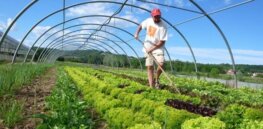
Can we feed the world with just organic agriculture? No, says pro-organic Swiss agronomist
The earth has to feed more and more people. Can that only work with organic farming? “No,” says Urs Niggli, ...
Economic consequences of regulations of GM crops
Are regulations hampering the potential for biotechnology to contribute to global food security? ...

Climate-resilient desert crops: New generation of hardy seeds optimized for harsh environments
While thirsty crops like alfalfa and corn dominate the region, [farmer Laura] Parker has emerged as a leader in revitalizing ...

Journal article: ‘Sustainable intensification’ — Why high-yield farming may offer best solution to meet ecological and consumption demands
How to feed, house, clothe and power 11 billion of us without eliminating very many species and wrecking Earth's climate ...
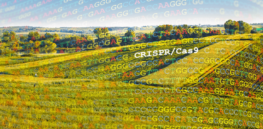
Opinion: African farmers can benefit from co-existence of agroecology and biotechnology
Can agroecology coexist with modern agricultural technologies? What is the reason for the fight against genetically modified (GM) cowpea or Golden Rice when the world’s ...
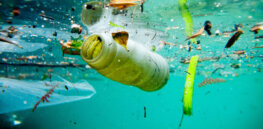
How dangerous is plastic pollution? These facts may surprise you
Plastic is everywhere, and we have all heard it’s bad for the environment because it takes a long time to ...

EPA concludes three commonly-used herbicides can harm endangered species and their habitats
The Environmental Protection Agency has finalized biological evaluations concluding that three common herbicides can adversely affect endangered species or their ...
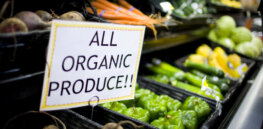
Part 1: The organic food industry’s rejection of modernity
The rapid advance of technology has enriched our daily lives. We can take pictures and videos with a cell phone, ...
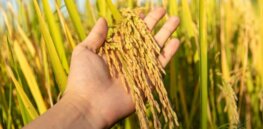
More for less: Biotech approach increases rice yields with fewer nitrogen inputs
On a hypothetical culinary tour around the globe, sampling the classic dishes of the world, one would be hard pressed ...
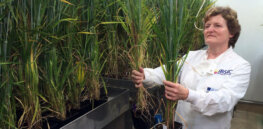
Viewpoint: Letter to the EU on climate change and agricultural sustainability
The European Commission is taking public feedback on gene editing. I urge you to send your letter here. If you ...
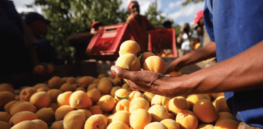
EU’s Farm to Fork Green Deal could hurt South African agriculture unless production adjustments are made
The European Union – among a host of other countries – is seeking to implement urgent policy measures to combat ...
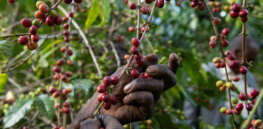
How climate change is impacting the future of coffee
According to a 2014 study, under modest declines of greenhouse gas emissions, about 50 percent of the land with conditions ...
GLP Podcast: ‘Fashionable nonsense’ in medicine; Strange history of pregnancy tests; Bayer goes organic
Medicine is bowing to academia's "fashionable nonsense" surrounding a variety of important issues, and the consequences could be serious. Home ...
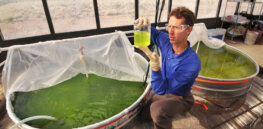
Exxon partnership hopes to turn algae into fuel. Is it a potential climate change breakthrough — or just greenwashing?
Some scientists regard Exxon Mobil Corp.’s long-running quest to turn algae into a transportation fuel as little more than a ...
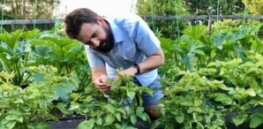
95% fewer insecticide applications? How integrated pest management (IPM) strategies can improve crop yields while slashing pesticide use
We used a 4-y experiment using commercial-scale fields replicated across multiple sites in the midwestern United States to evaluate the ...

Carbon farming: Can growing interest in regenerative agriculture make a difference for climate change?
Farmlands cover half of the Earth's habitable land, and the global food system produces 21-37% of the world's greenhouse gas ...
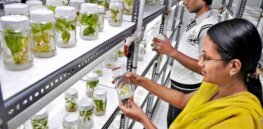
Viewpoint: Global climate talks could expand agricultural research and genetic innovation to better address warming concerns
The worst-case consequences of rising temperatures and drought played out this year in Madagascar with the first famine induced by ...
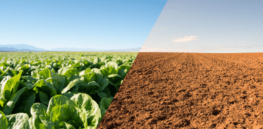
Viewpoint on COP26: ‘Agriculture is a solution to climate crisis, not the main problem’
Among the many documents on the table [at the COP26 climate talks] will be the latest climate report from the ...
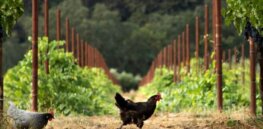
Regenerative agriculture catching on in Sonoma wine country
To Lauren and Alex Benward, sixth-generation owners of the Beltane Ranch vineyard in Glen Ellen, Calif., the word “sustainability” does ...

Video: Carbon capture is key to reducing greenhouse gases. Iceland’s new CO2-fixing facility is a tiny step toward that goal
As the world prepares for another UN Climate Change Conference, scientists are still searching for a cheap and easy way ...

Eco-friendly diets often call for banning animal products — but sustainability is not that simple for many people around the world
Sustainability discussions breed controversy, often pitting animal products and meat alternatives against each other. However, this dichotomous framing may impede ...
A shortage of healthful omega-3 fatty acid from fish looms as the global climate heats up. Here is a plant-based biotechnology solution
Consumption of fish and other seafood has played a pivotal role in human history as a nourishing protein. This warrants ...
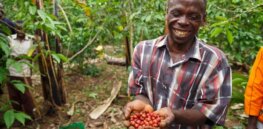
Ugandan scientists developing drought tolerant coffee varieties to save valuable cash crop
After releasing coffee varieties resistant to wilt disease, Ugandan agricultural scientists have begun developing Robusta varieties that are drought-tolerant as ...

Lab grown coffee could cut deforestation and greenhouse gas emissions, but may also upend the lives of poorer plantation workers
The coffee industry is both a contributor to the climate crisis and very vulnerable to its effects. Rising demand for ...
