


Sustainability & Climate Change
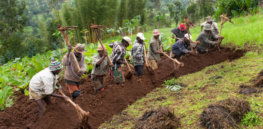
Viewpoint: Public Affairs professor advocates for agroecology systems, claiming technology-centric agricultural programs promoted by Gates Foundation has failed in Africa
Agroecology applies ecology and social science to the creation and management of sustainable food systems and involves 10 or more ...
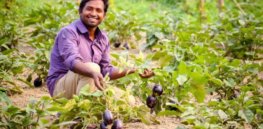
Viewpoint: Cornell prof Anthony Shelton’s personal account of the sustainability and economic success of GMO eggplants in Bangladesh
I had the opportunity to work on a project that helped transform the lives of resource-poor farmers in Bangladesh and ...

With 80% of the global population expected to live in urban areas by 2050, is vertical farming a viable way to increase sustainable food production?
The agriculture industry is facing a wide range of challenges, trying to keep up with ever-changing markets and, of course, ...
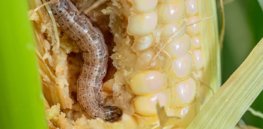
Pest resistance developing to fall armyworm-fighting Bt maize prompts pest management strategies
Maize that is genetically engineered to contain specific toxic (to armyworms) proteins created by the bacteria Bacillus thuringiensis (Bt) has ...

GLP Podcast: CRISPR-edited tomatoes debut in Japan; Regulating bogus supplements; Underwater farming is here
CRISPR-edited, hypertension-fighting tomatoes are on sale in Japan. Dishonestly marketed supplements continue to evade FDA regulation. Why doesn't the agency ...

Viewpoint: ‘Silent Earth’ cynically peddles scientifically unsupported insect apocalypse hysteria to nakedly promote organic agenda
To most people, food production, home ownership, and energy don't have much in common, but in the hands of 'science ...
‘Hybrids are coming’: Cell-cultured and plant-based meat blends are in development
From soy-based sausages to pea protein burgers, the plant-based category is booming. According to EU data, Europeans’ consumption of plant-based ...

‘MooLoo’ method: Toilet training cows to reduce their impact on the climate
Farmed cattle are known for their notorious contribution to greenhouse gas emissions—producing roughly 66 to 88 pounds of faeces and ...

Lab-grown fish can help protect our oceans — but does it taste good?
While lab-grown beef might help offset carbon emissions and reduce animal cruelty, the rollout of cell-based fish protein, shellfish and ...

GLP Podcast: Don’t fight science denial like this; CO2-sucking GE trees; Organic industry hates hydroponics
A new book outlines a method for changing the minds of "science deniers"—and it's terrible, according to a particularly harsh ...
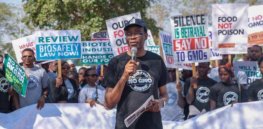
Part 2: How scientists beat back anti-biotechnology activists’ ‘insidious campaign’ to block Nigeria’s approval of pest-resistant GMO cowpea
The standard for how to conduct a safely assessment is laid down by the Codex Alimentarius, a food code established ...
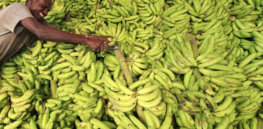
Kenyan scientists deploy CRISPR to protect bananas from diseases threatening to wipe out the world’s most popular variety
All the cultivated banana varieties are susceptible to diseases — and Banana xanthomonas wilt (BXW) is particularly problematic. BXW is ...

Part 1: Addressing food security in Nigeria — Seeds of hope for subsistence farmers as insect resistant GM cowpeas finally come to market
Not a lot has improved for Nigeria’s subsistence farmers over the years. Most can’t afford fertilizer and chemicals; there’s no ...
US honeybee boom: ‘Not only are they not in decline or endangered, their increase in numbers may be responsible for declines in other bee populations’
Today, more than 2.98 million honeybee colonies are currently registered in the United States, according to the US Department of ...
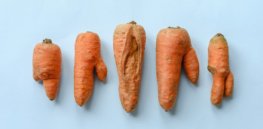
Edible but ugly: Bruised apples and spotty potatoes never make it to supermarket shelves. Tweaking crop genes could feed billions and help address climate change
Farming has a major food waste problem. Approximately 40 per cent of the food produced globally goes uneaten every year, ...

‘Organic alone cannot feed the world,’ says Swiss organic agricultural scientist at UN World Food Summit
On September 23, heads of state and specialist ministers [met] at the United Nations World Food Summit. As a member ...
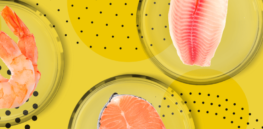
From plant-based fillets to sushi cultivated in a lab, fish-free seafood has arrived
Plant-based products have been breaking into the foodie mainstream in the United States, after years in which vegan burgers and ...
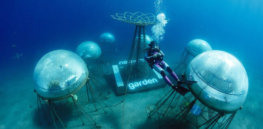
Underwater farming? Biosphere grows strawberries, basil and lettuce deep in the Mediterranean
Strawberries, basil and lettuce are flourishing in a new biosphere farm anchored to the floor of the Mediterranean Sea off ...

Dismissing sizable sustainability benefits, organic industry petitions USDA to block hydroponics from being classified as organic
Organic food producers, which eschew synthetic pesticides for "natural" ones, regularly market their products as more sustainable than conventional offerings, but they're not ...

Gene editing: Powerful tool for managing climate change
Growing up, my family spent summer weekends on the beaches of New York State. Riding in a car packed with ...
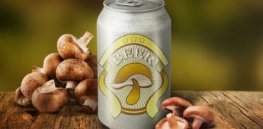
Repurposed mushrooms could make an animal-free, vegan beer — all while using up food waste
It’s not common knowledge, but not all beers out there are vegan. Some brands use finings in the brewing process ...
EU politicians move to implement controversial Green Deal Farm to Fork agricultural policy — but reject scientific sustainability assessments of its impact
Industry has repeatedly signalled its commitment to innovate in support of both Green Deal and the Farm to Fork Strategy ...
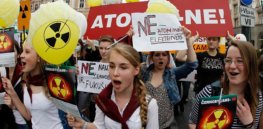
Viewpoint: Science denialism is not the exclusive province of the political right — it’s growing on the left, too
There is, I think, a fairly well-established idea that the Left is the “side” of science and evidence, and the ...

Kiel University study: Double disaster — Europe’s Green Deal Farm to Fork plan would undermine environmental sustainability goals with no significant economic payoff
A significant reduction in agricultural production in the European Union with full implementation of the Farm to Fork Strategy of ...
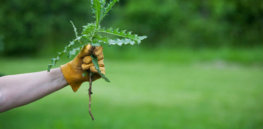
‘We need new tools including genetic engineering’: Climate change is terrible for crops, but great for weeds
By the end of the century, scientists expect climate change to reduce corn yield significantly, with some estimating losses up ...

Viewpoint: ‘Lots of pain for little environmental gain’ — EU Farm to Fork strategy would reduce yields by 15%, cutting farmer incomes and increasing imports
The [European] Commission has finally released a study on the impact of its F2F and Biodiversity Strategy proposals on the ...
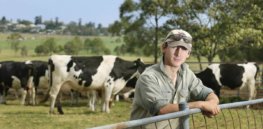
As the dairy industry inches toward adopting ‘regenerative agriculture’ practices, tensions emerge between large-scale operations and anti-corporate purists
Danone, General Mills (maker of Yoplait yogurt and Häagen-Dazs ice cream, among other big dairy brands), and yogurt maker Stonyfield ...
