


Health & Medicine
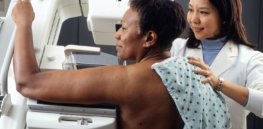
Higher breast cancer rates in Black women linked to healthcare access more than genetics, concludes study challenging other findings
The poorer breast cancer outcomes and higher death rates among Black women are most likely the result of racial disparities ...

Find coffee bitter? Taste-linked gene identified that could be protecting millions of people from getting COVID
People’s perception of taste (coffee tasting very bitter, slightly bitter or not bitter at all, for example) has been known ...
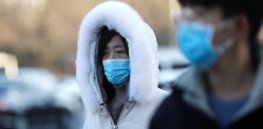
Could COVID come roaring back in the fall and winter — but as a less threatening flu-like seasonal virus?
As with influenza and the coronaviruses that cause common colds, there appears to be a seasonal element to the spread ...

Is Emotional Intelligence a real and measurable quality?
Emotional intelligence, the ability to regulate and perceive emotions, is the subject of much debate amongst scientists and the public ...

By 2030, nearly half of Americans will be classified as obese: From gene manipulation to lifestyle changes, here are rays of hope
Now that COVID-19 is winding down, perhaps it’s time to go back to trying to do something about our country’s ...

22% of Americans identify as anti-vaxxers as a reflection of their ‘social identity’, poll finds
A study of more than 1,000 demographically representative participants found that about 22 percent of Americans self-identify as anti-vaxxers, and ...

Concerned about depression? Wake up an hour earlier
People who tend to go to bed and wake up earlier have significantly lower risk of major depression, according to ...
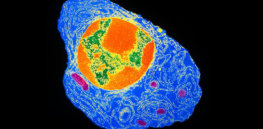
For those who got COVID-19, immunity could last for the rest of your life
Many people who have been infected with SARS-CoV-2 will probably make antibodies against the virus for most of their lives ...

Tough time recovering from jet lag? US government-university partnership developing implantable ‘living pharmacy’ to control our circadian clocks
A Northwestern University-led team of researchers has signed a cooperative agreement with the Defense Advanced Research Projects Agency (DARPA) to develop a ...

A post-pandemic economic boom is coming. History provides insight on how this surge might play out
Today, even as COVID-19 rages across poorer countries, the rich world is on the verge of a post-pandemic boom. Governments ...

Population bomb, in reverse: Too few babies — not too many — is emerging as a major global problem
In Japan, people buy more diapers for the elderly than babies... And the population growth rate in the U.S. is ...

False link: No, milk does not increase cholesterol levels
A study published in the International Journal of Obesity looked at three large population studies and found that people who ...

Going back to your office for work may increase your productivity — and your weight. Here’s why
With millions of Americans vaccinated against COVID-19, many who have worked from home over the past year will be heading ...

Coronavirus quarantines have caused a huge spike in ‘cybersickness’
The pandemic has forced most of us online at incomparable rates. It’s where we’ve worked, taken classes, attended parties, and ...

COVID-19 may have arrived in US as early as December 2019, NIH says
[A] new report, published in the journal Clinical Infectious Diseases, bolsters earlier studies indicating the virus entered the country under ...

Many NFL players’ reluctance to get vaccinated could jeopardize competitive balance of upcoming season
The NFL won’t require players to get the vaccine, while the NFL Players Association continues to say it will encourage ...
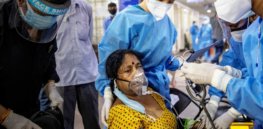
India and Pakistan face a deluge of COVID patients struggling with mysterious black fungus infections. What’s its origin? Are other countries threatened?
About 12,000 cases of a condition known as "black fungus" have been reported in India, mostly in patients recovering from ...

COVID’s positive side-effect: fewer contagious illnesses. How can we make that last?
Many of us have likely noticed what the data is bearing out: Strict social distancing and masking protocols not only ...
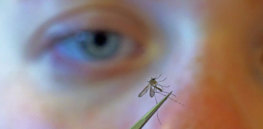
How CRISPR gene editing could dramatically reduce health threats posed by disease-carrying mosquitoes
Mosquitoes are one of humanity’s greatest nemeses, estimated to spread infections to nearly 700 million people per year and cause ...
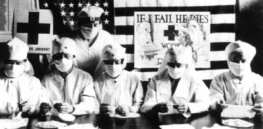
History documents hundreds of pandemics over the ages. Understanding how they ended could provide us a roadmap going forward
How did [pandemics of the past] end? The viruses didn’t go away; a descendent of the Spanish flu virus, the ...

Many mammals can ‘breathe’ in a unique way — through the anus. Could this insight spur change in how we treat severe respiratory failure in humans?
It is established that humans, much like many other mammals out there, breathe oxygen either through their nostrils or mouth ...
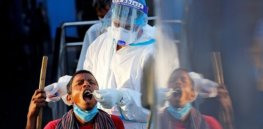
‘It’s out-competing other viruses’: Killer Indian COVID strain spreads dark cloud over growing global recovery
India [has] set another coronavirus milestone. [On May 19th], authorities announced the country had recorded more than 4,500 deaths from ...

‘Young blood’: Here’s how a plasma infusion could ward off bone brittleness, increase lifespan and reverse aspects of aging
[I]n the past two decades, the idea of blood as an elixir of youth has leapt from the pages of ...

Podcast: Bad science in the headlines—Epidemiologist Geoffrey Kabat explains how to spot flawed research on Google News
A just-published study found that consuming two or more sugar-sweetened beverages in a day is linked to a doubling of ...
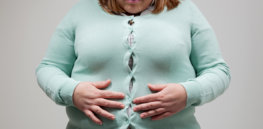
Viewpoint: Do people gain weight because of genes or personal choices? Here’s why the answer is so complex
More than 40 percent of adults in the United States qualify as obese, and an elevated body mass index has ...

Video: Dogs are being trained to sniff out COVID-19 at large public events
University of Pennsylvania researchers are training dogs to sniff out coronavirus, a skill that could be useful in controlling spread ...

Ancient poop could save lives: ‘Exquisitely preserved’ lost microbes discovered in 2,000-year old feces could help battle chronic illnesses
Previous research has made a connection between preindustrial diets, greater diversity in the gut microbiome and lower rates of chronic ...
