


Daily Food & Ag Digest

Canada alarmed over Mexico’s rejection of GMO corn imports
Canada is deeply concerned about Mexico’s recent departure from its longstanding approach to regulating genetically modified crops ...
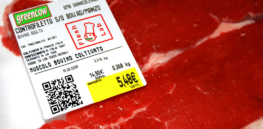
Lack of hazard assessments could dampen approvals of cell-based meat
An assessment of hazards in cell-based meat products has found considerable gaps in knowledge. There are several areas where data ...

Viewpoint: How the European Union’s proposed sustainable food initiative could hurt US farmers
The European Union is carving out the legislative framework for so-called Sustainable Food Systems (SFS). In essence, these new regulations ...
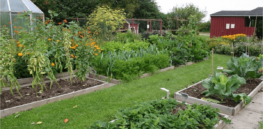
Defining regenerative agriculture
According to IFIC’s 2022 Food and Health Survey, 43% of consumers want to purchase food and beverages that were produced in a ...
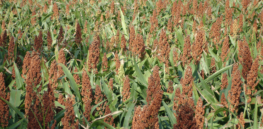
Tweaking one gene could help crops survive and thrive in salty water
Chinese scientists have discovered a crop gene that, once deactivated, can allow plants to thrive in saline and alkaline soils, ...
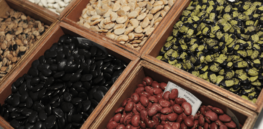
Four multinational companies sell half of all seeds globally, says USDA report on agricultural consolidation
Just four massive corporations sell more than half of all seeds on a global basis, and for many staple commodity ...

Viewpoint: ‘A fool’s errand’ — Here’s why the FDA’s new ‘healthy’ label for foods won’t move the needle on chronic disease
In September, the FDA began the process of promulgating new rules to determine what foods could carry the label "healthy." In ...

Viewpoint: ‘Chemical alarmism’ — Scientist builds case that banning ‘forever chemicals’ PFOS and PFOAs could cause more harm than good
PFOA and PFOS were used early on to solve a problem in protecting human life. The problem? In 1967, a ...
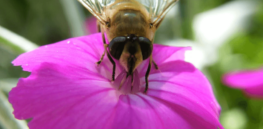
Viewpoint: What’s killing bees? Reviewing the impact of parasites and climate change on pollinators
Bees are vital to our lives; without them, there would be no almonds, and few apples, onions, blueberries, carrots, or ...

Viewpoint: ‘The Netherlands’ hyper-efficient food system is both a triumph and a cautionary tale’
Going back nearly 80 years, anxieties over food security have driven the tiny Netherlands to become a global leader in agriculture despite ...
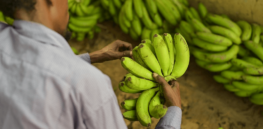
India green lights field trials for two genetically modified crops — disease-resistant potatoes and nutrient-boosted bananas
After mustard, India is set to begin trials of two more genetically modified (GM) food crops — bananas and potatoes ...
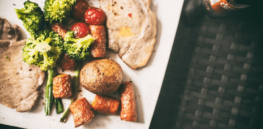
Treating epilepsy with a keto diet? Sounds far-fetched, but it can work
The ketogenic diet is an extremely low-carb diet that consists of almost no carbohydrates, a moderate amount of protein and ...

Gene-edited wheat that reduces cancer risk from acrylamide grown by UK scientists
Not very far from London, in the English county of Hertfordshire, lies an unusual wheat field ...
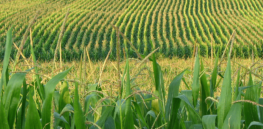
Viewpoint: American farmers concerned about using more land and chemicals to satisfy Mexico’s unscientific anti-GMO import ban
As snow swirled over the soil hundreds of acres in each direction, Owen Niese already was worried about a crop ...
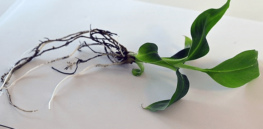
‘Do they have an advantage for society and the planet?’: European scientists debate whether the EU should allow CRISPR crops
In June this year, the European Commission will issue new advice on the authorization of the use of CRISPR-Cas, a ...

Nuisance suits by anti-GMO activists could block efforts to save the near-extinct American chestnut tree
Currently being tested in field trials, the future unrestricted release and use of the American chestnut could stir enough controversy ...

Plant-based clean energy solutions are on the horizon
At a laboratory at the Western Norway University of Applied Sciences (HVL) in Bergen, we find Professor Dhayalan Velauthapillai hard ...

England becomes first European country to approve gene editing of plants and animals
We are pleased that the Genetic Technology (Precision Breeding) Act has passed into law, receiving Royal Assent from the King. This Act ...
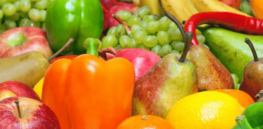
Viewpoint: ‘It undermines farmers and confidence in regulators’ — Real impact of Environmental Working Group’s organic-promoting ‘Dirty Dozen’ list
Nutrition experts agree that many Americans should eat more fruits and vegetables, but that can be challenging for those with ...

With Germany voicing opposition to loosening crop gene editing rules, Europe now expected to table deregulation talks
The European Commission is expected to table proposals for loosening EU rules on gene editing, more specifically, new genomic techniques ...
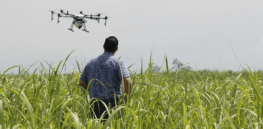
Smart farming: How digital agriculture can synergize with crop biotechnology to help food-insecure nations
Smart farming refers to managing farms using modern ICT to increase the quantity and quality of products while optimising the ...
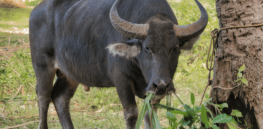
30% more meat: Switching off just one gene with CRISPR produces animals with larger muscles
Switching off a gene in animals using a technology called CRISPR can make them produce more muscles, leading to meatier ...

GMO wheat poised to address climate challenges — but US regulatory foot-dragging blocks innovation
Challenges in agricultural production over the past decade and a renewed regulatory push could be setting the stage for the ...
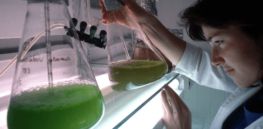
Algae contains high levels of protein and nutrients. Could it help boost food security in the face of climate change?
Scientists at the University of California, San Diego (UCSD) believe that algae could be a new type of superfood, thanks to its ...
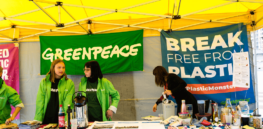
Viewpoint: ‘A grim record of denying poor countries new technologies’ — From climate change to crop biotechnology, Greenpeace promotes the interests of the wealthy
The Greens are elitist, representing rich people in rich countries. They do not want Africa to develop as Europe has ...
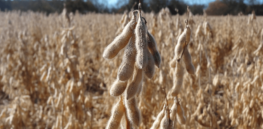
‘Infusing beans with a new genetic blueprint’: Synthetic biology startup engineers soybeans to produce ingredients for cancer drugs, vaccines and infant formula
As a first-generation college student turned molecular biologist, Brian DeDecker imagines a day when these humble soybeans, which his family ...
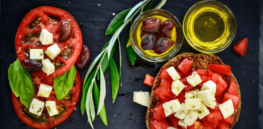
Mediterranean diet: Eating vegetables, nuts, whole grains and fish may reduce dementia risk — even for those with genetic predispositions
A diet that is rich in seafood, fruit, vegetables, nuts and olive oil may lower the risk of dementia, a ...
