


Daily Human Digest
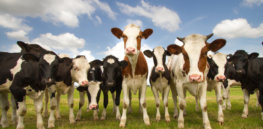
Climate conundrum: Weather changes causing more diseases in livestock that lead to methane release and higher temperatures
Climate change is affecting the spread and severity of infectious diseases around the world — and infectious diseases may in ...

Toilet wisdom: Why some people never gain weight
A small group of people have been thin since birth and have always found it very difficult to gain weight ...
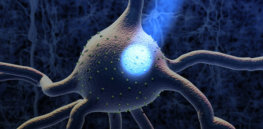
Optogenetics: We may soon be able to manipulate the mind with light
Thanks to optogenetics, in just ten years we’ve been able to artificially incept memories in mice, decipher brain signals that lead to ...
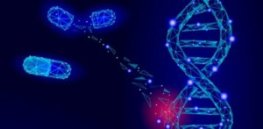
Resurgence of gene therapy has dramatically altered the the biomedicine revolution
Some technologies that have emerged and altered the landscape in recent years include immunotherapy, CRISPR-Cas9 gene editing, and chimeric antigen ...

CRISPR used to create embryo of first ‘super horse’
Researchers in Argentina have produced what is believed to be the world’s first genetically edited horse embryo. The team worked ...

Pandemic offers unique opportunity to corral global vaccine denialism movement
Bringing increased attention to vaccination now is especially important as the world continues to combat COVID-19, a novel infectious disease ...

Coffee appears to offer widespread protection against Parkinson’s disease
Earlier studies have shown that coffee consumption may protect against the development of Parkinson's disease in people who have no ...
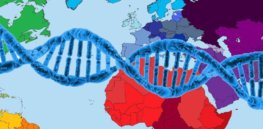
How accurate are the ‘ethnicity estimates’ claimed by DNA genealogy companies?
Since 2012, more than 18 million people have mailed their spit-filled vials to [Ancestry DNA], which analyzes the genetic material ...
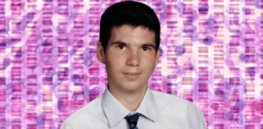
‘Gigantic leaps forward’ What’s happened in the 21 years since a teenager died undergoing gene therapy, stalling emergence of this biomedical breakthrough?
In 1999, [teenager] Jesse [Gelsinger] received a dose of the ornithine transcarbamylase gene, engineered into a recombinant adenovirus, at the ...
CRISPR has brought pig-to-human organ transplants to the cusp of reality
In a study published [September 21] in the Nature Biomedical Engineering journal, the researchers said they used CRISPR–Cas9 and a combination of other ...
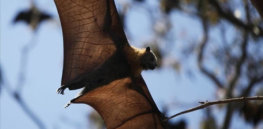
German measles likely jumped from bats to humans, much like COVID, raising concerns about future virus outbreaks
An estimated 100,000 newborns are affected by the [rubella virus] annually, mostly in Africa, the western Pacific, and the eastern ...
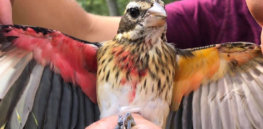
Gynandromorph: Spectacular bird found with male plumage on one side and female on the other
Split down the middle, with one side flaunting yellow 'wing pits', and the other side rocking a pink underwing, researchers ...

There are a lot of psychopaths amongst us… and some of them are gifts to society
As a happily married family man and a successful neuroscientist at the University of California-Irvine, [James] Fallon didn't exactly fit ...

If we could resurrect dinosaurs using gene editing, could they survive with our current plants and climate?
[Imagine that] tucked away inside a lab on a remote island, scientists have quietly grown baby dinosaurs. Now the second ...

Dogs don’t seem to care much about human faces, counterintuitive study finds
Dogs’ brains aren’t especially impressed by faces, either those of other dogs, or of people, a new study suggests. People’s brains ...
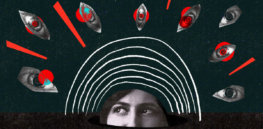
These kinds of personality types are most likely to embrace conspiracy theories
[P]eople who are self-important, narcissistic, anxious, depressed, or impulsive are slightly more likely to cling to a conspiracy theory than ...

Viewpoint: Trump’s inflammatory appeals triggered support for him in 2016. Here’s why scientists think it won’t happen again
In the 2016 election, undecided voters were influenced by the brain’s fear-driven impulses—more simply, gut instinct—once they arrived inside the ...
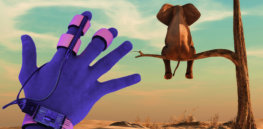
It might soon be possible to shape your own dreams
The technology engineer — and self-proclaimed wannabe cyborg — [Tomás Vega] has been developing a device with other researchers at the MIT Media ...

Video and Infographic: Pandemic response has sent trust in science soaring after years of faltering
The global pandemic has renewed trust in science. Our annual research shows that appreciation for science and trust in scientists ...

Some birds are quite smart but do they really ‘think like humans’?
[B]road claims for animal intelligence that go well beyond problem-solving abilities are often questionable. Consider, for example, the mirror test ...

CBD is hyped as a ‘miracle cure’ for just about everything. Here is the reality
So, is CBD a miracle cure? Despite its promise, if you’re someone who hopes to read that science proves CBD ...

Not quite total recall: How limits on what humans can remember is helping us ‘teach’ AI
An artificial neural network learns by adjusting synaptic weights—how strongly one artificial neuron connects to another—which in turn leads to ...

Vaccines contain GMOs that will harm you? Debunking anti-biotechnology/anti-vaccine nonsense
There is no scientifically plausible reason to accept the hypothesis that either DNA in vaccines or the DNA in GMO foods are ...

Why intermittent fasting often doesn’t work
Many followers of the [intermittent fasting] diet, which has been popularized in best-selling diet books and touted by celebrities, routinely ...

Corvids are more brainiac than birdbrain: Crows may be able to reflect and ponder their own mind
Research unveiled on [September 24] in Science finds that crows know what they know and can ponder the content of their ...

Scientists create mutant enzyme that chomps plastic bottles for lunch
A team of researchers that previously re-engineered a plastic-eating enzyme named PETase have now combined it with a second enzyme ...

Recreating the Neanderthal Y chromosome helps explain how modern humans emerged
One hurdle in deciphering human prehistory is the absence of evidence of a Neanderthal Y chromosome in the genetic record ...
