


Daily Human Digest
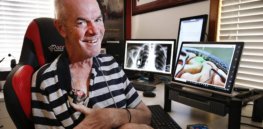
Brain implants on the cusp of reality help patients immobilized by ALS, strokes or spinal cord injuries
[B]rain activity is collected by sensors implanted in a blood vessel in [Phil] O’Keefe’s brain and relayed to a computer ...

Extinct Denisovans – modern human cousins – may have contributed genes to high-altitude adaptations seen in Tibetans
[A] cave on the Tibetan Plateau was once home to Denisovans, an ancient species of humans whose remains had previously ...
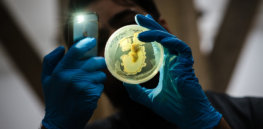
A question of accountability: How can we prevent the release of potentially harmful human-created organisms?
When it comes to risk from synthetic biology applications, one source of concern is the community of DIY biologists and ...
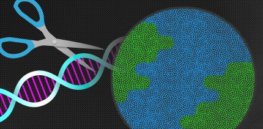
Viewpoint: CRISPR can do more than just gene editing in agriculture and biomedicine
Thanks to the 2020 chemistry Nobel prize, Crispr–Cas systems will forever be associated with gene editing. But it’s worth mentioning ...

Emergency relief needed: COVID-related lockdowns have led to a 50% crash in immunization rates for polio and measles
According to [the UN Children’s Fund and the World Health Organization], immunization rates in some countries have fallen by as much ...
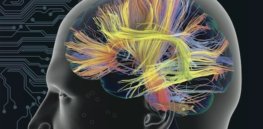
Why does the brain have an area for recognizing objects in general but also for faces in particular? Neural networks could provide answers
[Neuroscientists James DiCarlo and Daniel Yamins] are part of a coterie of neuroscientists using deep neural networks to make sense ...
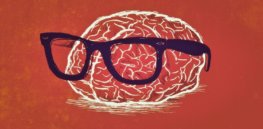
What goes on in the brains of science nerds?
Do you get really stimulated by new ideas and imaginative scenarios? If so, you may have an influx of dopamine ...

Epigenetics finding completely upends our understanding of drug addiction
I was taught to scoff at Jean-Baptiste Lamarck and his theory that traits acquired through life experience could be passed on to ...

AI can reliably predict Alzheimer’s by analyzing how we use words
A team from IBM and Pfizer says it has trained AI models to spot early signs of [Alzheimer’s, a] notoriously stealthy ...
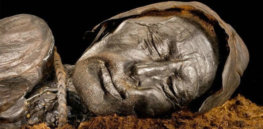
Bog bodies of Europe: 2500-year-old, naturally preserved humans provide astonishing insight into ancient cultures
The peat bogs of Ireland, Denmark, the U.K. and other European countries have yielded human remains for well over a ...
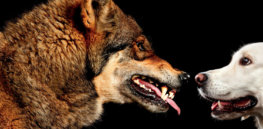
Who let the dogs out: When and how were dogs first domesticated?
We still don’t know exactly when or where dog domestication first happened; it already had a pretty complex history by ...

Childhood asthma linked to maternal depression during pregnancy
Researchers had the parents of 4,231 children fill out well-validated questionnaires on psychological stress in the second trimester of pregnancy, ...
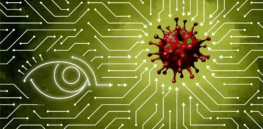
Can AI save us from COVID-19? ‘If the virus had hit 20 years ago, the world might have been doomed’
Millions of gigabytes of data — the equivalent of a modest library — are being generated by the pandemic each ...

Brain aging and dementia remain a mystery. This epigenetic model may help unravel it
People age at different rates, with some individuals developing both characteristics and diseases related to aging earlier in life than ...
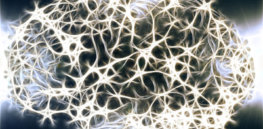
Could electromagnetic fields be the seat of human consciousness?
What if the electromagnetic fields generated by, but which are not identical to, the neuroanatomy of the brain, are in ...
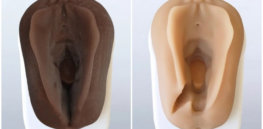
3D printed vulvas help women and health practitioners better understand the female body
Over the past year, Granville has been creating 3D-printed models of the female anatomy aimed at enhancing training and patient ...

Interactive pet calculator: How old is my dog in human years?
The average life expectancy of humans is about 70 years and that of dogs is about 10. For this reason, ...
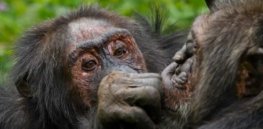
Like humans, chimpanzees focus on fewer, more meaningful friendships as they age
Young adults maintain many friendships, but as people grow older, they tend to winnow that group down to a select ...
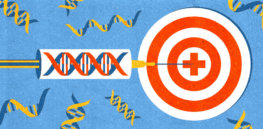
‘Disease-cancelling technology’: New drugs may act more like noise-control headphones
Rather than focusing on the DNA and proteins involved in a disease, Immuneering focuses on disease-associated gene signaling and expression ...

Why your brain wants to believe in ghosts, the supernatural – and maybe God
While many scoff at tales of the supernatural, academia has not fully dismissed them. Specialists, like Christopher French, a psychologist ...

Natural ‘antifreeze proteins’ added as a polymer can make concrete more durable
Because concrete is porous and absorbs liquid, [temperature] changes often make its surface flake and peel. But researchers say a ...

Ketogenic high fat diet could prevent and even reverse heart failure, study finds
In an animal model, drastic heart failure in mice was bypassed by switching to high fat or “ketogenic” diets, which ...

Quack or fact: Can a copper bracelet cure arthritis or other pains?
Although people have adorned themselves with copper since prehistory, the marketing of copper bracelets as a treatment for arthritis pain appears to date back only to ...

Experiencing happiness likely contributed to the dramatic growth and complexity of the human brain
The neocortex enables us to speak, dream and think. In search of the causes underlying neocortex expansion, researchers at the ...

New tool allows researchers to map complexity and intensity of dreams
Before the twenty-first century, we used to think dreams only occurred during rapid eye movement (REM) sleep, but more recent ...

Hardware modeled on the brain could revolutionize computing
A challenge for researchers developing applications of neuromorphic [or human brain-inspired] hardware is that a formal hierarchy such as Turing ...

Concussion biomarkers: Cutting edge advances to protect brain from sports injuries or just pseudoscience?
It's no secret that football players of all ages regularly experience head impacts and are at elevated risk for a ...
