


Daily Human Digest

Making the case for a ‘semi-aquatic’ phase in human evolution
For the past 150 years, scientists and laypeople alike have accepted a “savanna” scenario of human evolution. The theory, primarily ...

What is it about the coronavirus genome that makes it so dangerous?
In January, scientists deciphered a piece of very bad news: the genome of SARS-CoV-2, the virus that causes Covid-19. The ...

‘Like trying to hit a moving target’: Why it’s so difficult to attack cancer with targeted gene therapies
We are, it seems, still a long way off from a cure, in any ordinary sense of the term. Yet ...

These 2 ‘crucial and very different’ tests could help us contain the coronavirus
Amidst a slew of shortages and logistical hurdles, American researchers are now slowly rolling out two crucial and very different ...
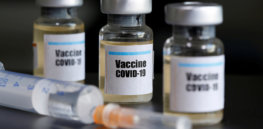
160 new coronavirus-fighting drug and vaccine candidates in development
While President Trump continues to promote antimalarial drugs such as hydroxychloroquine sulfate and azithromycin to treat COVID-19 ... the global ...

Children born more than 3 weeks premature may develop language problems
[R]esearchers have looked at the language development of preterm children – both those born three weeks early and those born ...

Saliva-based test for coronavirus gets emergency FDA approval
There are now more options for COVID-19 testing as the US Food and Drug Administration gave emergency use authorization on ...

Mysterious African skull could be part of undiscovered ‘ghost population’
A mysterious but well-preserved hominid skull found nearly a century ago comes from a population that lived in Africa around ...

Video: The evolution, genetics and virulence of coronaviruses
UC Berkeley professor and IGI Investigator Britt Glaunsinger, PhD, explains the evolution, genetics, and virulence of coronaviruses. The rapid spread ...

Human trials underway on 2 coronavirus vaccines in China
China has started clinical trials on two potential COVID-19 vaccines, the country's official state-run press agency reported citing the State ...

How many people have contracted the coronavirus but are not showing symptoms? Study of pregnant women in New York City finds 13.5% are asymptomatic
In recent weeks, Covid-19 has rapidly spread throughout New York City. The obstetrical population presents a unique challenge during this ...

Targeting cancer cells by ‘putting the brakes’ on their ability to mutate and evolve
The vast majority of cancer deaths in the US come about not because of a lack of treatment, but because ...

‘Next wave’ of coronavirus tests should reveal scope of the pandemic
Health departments, hospitals and companies around the world are rolling out the next wave in coronavirus tests, which look in ...

Questioning the reliability of common autism screening tool
A short, widely used screening survey for autism called the Autism Spectrum Quotient – 10 items (AQ-10) may not be ...
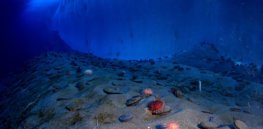
Discovery of microbes under ocean floor suggests life could thrive in ‘extreme environments’ like Mars
When scientists find microbial life thriving in some of the most extreme environments on Earth, it gives them hope that ...

Skin patch with 400 needles: Another potential coronavirus vaccine ready for human testing
Jonas Salk developed the polio vaccine at a University of Pittsburgh lab. The deadly disease that crippled infants disappeared almost ...

‘Next time we might not be so lucky’: The coronavirus shows why we need to learn more about viral threats
Living through the COVID-19 pandemic, we are all now seeing the consequences of a failure to plan ahead when an ...

Is creativity driven by the right side of the brain? Not necessarily, according to this study of jazz guitarists
According to a popular view, creativity is a product of the brain's right hemisphere - innovative people are considered "right-brain ...

Infographic: 3 strategies for finding coronavirus treatments
The scientific community is working around the clock, not only to protect us from COVID-19, but to prevent future strains ...

If you survive the coronavirus, do you gain immunity? And for how long?
Scientists don’t yet have definitive answers about SARS-CoV-2 immunity. For now, people who have had the disease appear unlikely to ...

‘Failures aren’t for lack of trying’: The quest to find a drug for Alzheimer’s
In February, pharmaceutical companies Roche and Eli Lilly announced that two experimental drugs they had developed for Alzheimer’s disease had ...

Lessons learned from the past: Why rushing a coronavirus vaccine could be dangerous
Annual flu shots don’t need to go through clinical trials every time they are adjusted for each year’s flu strain, ...

What the rest of the world can learn from Iceland’s mass coronavirus testing project
Big data can come from small places. Iceland’s isolated location and sparse population mean that some vital information about the ...
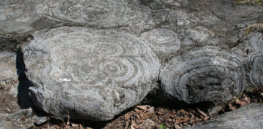
Searching for signs of Earth’s earliest life more than ‘a needle-in-the-haystack’ problem
The search for signs of Earth’s earliest forms of life isn’t quite like looking for dinosaur bones protruding out from ...

How would a coronavirus antibody test work?
The hunt is on for a coronavirus antibody test that tells people whether they have had COVID-19 and are immune ...

How vaccines, antivirals and antibodies could help fight the coronavirus
There has been a lot of confusion in regard to possible treatments for COVID-19 and the timeline for the development ...

How America is neglecting its growing elderly autistic population
[E]merging research suggests that autistic adults are at high risk of a broad array of physical and mental health conditions, ...
