


Daily Human Digest
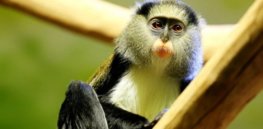
Language evolved 25 million years ago, monkey brain study suggests
Curious about how people started talking, researchers from the UK scanned the monkey species and the brains of the people ...

‘Dogs are still the best’: But can a machine be taught to detect ovarian cancer with a ‘sniff’?
The ultimate goal was to develop an instrument that mimicked the abilities of a dog’s nose—a tool to detect the ...

‘The Idea of the Brain’: Book explores the struggle to understand the human brain
Neuroscientists love a good metaphor. Through the years, plumbing, telegraph wires and computers have all been enlisted to help explain ...

Searching for genetic fountain of youth? Study suggests we’ll never find a ‘longevity gene’
What do naked mole rats, elephants, bats and whales have in common? They are all exceptionally long-lived mammals, and recent ...

If we have difficulty defining ‘life’ on earth, how will we identify it on other planets?
What does it mean to be alive? Science, shockingly, still doesn’t have a consensus. For example, is it fair to ...
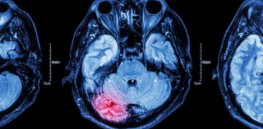
After injury, the adult brain attempts to repair itself with cells that revert to an embryonic state
When adult brain cells are injured, they revert to an embryonic state, according to new findings published in the April ...

Early sleep problems for autistic children may predict repetitive behaviors later
Early sleep problems predict repetitive behaviors later in childhood. And toddlers who overreact or underreact to sensory stimuli have more ...

Searching for a genetic ‘tattletale’ for heart attack risk
If you want a sneak peek into your risk of heart disease, here are your options: Your doctor can measure ...

Viewpoint: Human ‘evolutionary changes’ inevitable from pandemics
We all know that viruses are living organisms that can evolve and change, but did you also know that they ...

Massive genetic analysis shows how our ancestors ‘diversified, migrated and mixed’ around the world
A new study has provided the most comprehensive analysis of human genetic diversity to date, after the sequencing of 929 ...

Specialized ‘event’ cells help your brain keep all your memories organized, study suggests
Our recollection of events is usually not like a replay of digital video from a security camera—a passive observation that ...
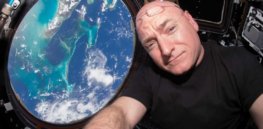
Can the human body survive a trip to Mars unharmed? New study casts doubt on safety of long-term space travel
Extended periods in space have long been known to cause vision problems in astronauts. Now a new study in the ...

Microbiome could be key to better blood sugar control
Researchers from the Weizmann Institute in Israel analyzed the gut microbiome of 800 people. They also hooked these folks up ...

Searching for ‘animal zero’ and the origins of the coronavirus outbreak
The COVID-19 pandemic that’s currently ravaging the world started with a simple virus in an animal. Viruses like this, which ...

Can you get reinfected? 2% of recovered coronavirus patients in South Korea test positive for the disease
In South Korea, health officials are trying to solve a mystery: why 163 people who recovered from coronavirus have retested ...

Curing sickle-cell disease with a more accurate CRISPR technique?
For many serious diseases, the statistics tell just half the story. Sickle-cell disease (SCD) is no exception. Yes, we can ...

Cytokine storms: How your own body fights against you during a coronavirus infection
When the body first encounters a virus or a bacterium, the immune system ramps up and begins to fight the ...

While you sleep, your brain decides which memories to keep, and which ones go to ‘the garbage bin’
We don’t remember every detail of our lives: Our brains decide which events are important for long-term storage and which ...

Video: What are the chances that Moderna’s experimental coronavirus vaccine will work?
A vaccine for COVID-19 has entered Phase 1 of clinical trials in Seattle. How was it made? And how likely ...

New York’s coronavirus outbreak traced to travelers who arrived from Europe in February before travel ban was imposed
New research indicates that the coronavirus began to circulate in the New York area by mid-February, weeks before the first ...

‘It’s the only strategy’: Coronavirus pandemic cannot end without herd immunity
For weeks, the most pressing policy challenge has been relieving the life-and-death pressure on our hospitals. But all that justifiable ...

What’s real? Why ‘false memories’ are trouble for police, juries and judges
In 2015, memory researcher and psychologist Julia Shaw and her co-author published a study on false memories. Over the course ...

Infographic: From vaccines to drugs, chasing ‘silver bullets’ targeting the fast-moving coronavirus
For drug companies, there is suddenly only one priority: the coronavirus. More than 140 experimental drug treatments and vaccines for ...

Exercise as a weapon against cancer: 150 minutes a week could double survival chances
Evidence is accumulating that exercise improves the wellbeing of these patients by combating the physical and mental deterioration that often ...

‘Colossal Maybes’: Chloroquine and hydroxychloroquine ‘largely failed’ to improve coronavirus patient survival rates in early, small studies
The malaria drugs touted by President Trump as potentially “the biggest game changers in the history of medicine” have received ...

‘It’s a cacophony’: Quest for coronavirus treatments undermined by ‘disorganized and scattershot’ US approach
In a desperate bid to find treatments for people sickened by the coronavirus, doctors and drug companies have launched more ...

Did COVID-19 escape from a lab?
A frenzy of speculation has arisen around the idea that the novel coronavirus responsible for the global COVID-19 pandemic might ...
