


Daily Human Digest
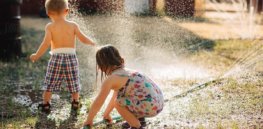
Are first-borns really more assertive? How birth order affects personality
In spite of sharing genes and environments, siblings are often not as similar in nature as one might think. But ...

CRISPR moves from the lab to human trials, targeting blindness, beta thalassemia and sickle cell anemia
It’s only been seven years since scientists first learned how to precisely and reliably splice the human genome using a ...

Does air pollution contribute to poor attention, memory problems for kids?
Over the past decade or so, in both animals and humans, in the lab and in the real world, scientists ...

Infographic: Building personalized cancer vaccines
To create an individualized cancer vaccine, researchers must identify cancer-specific peptides called neoantigens, then use a cell-, protein-, or nucleic ...
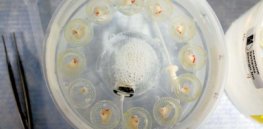
What makes us human? These pieces of donated brain tissue may offer answers
Half an hour earlier, this piece of neural tissue was tucked inside a 41-year-old woman’s head, on her left side, ...
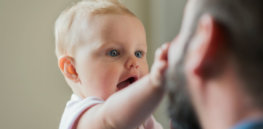
Early speech exposure could boost language skills for kids with autism
The more words autistic children hear as infants — and the more verbal interactions they have with their caregivers — ...
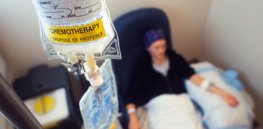
Darwin’s theory of evolution suggests a new approach for treating cancer
Cancers that have spread, known as metastatic disease, are rarely curable. The reasons that patients die despite effective treatment are ...

Do men and women feel pain differently? The answer could lead to better treatments for chronic pain
According to the CDC, one fifth of American adults live with chronic pain, and women are affected more than men ...

Which is more important to the gut microbiome? Genetics or environment?
Genetics hold far more sway over the mouse microbiome than transient environmental exposures, researchers reported July 26 in Applied and ...
Did evolution lead us down the path to heart disease?
The reason our species finds itself in the ever-constricting clutches of atherosclerosis — the insidious buildup of cholesterol-filled plaques in ...
‘Grave set of circumstances’: Investigating connection between autism and depression
[People with autism] are four times more likely than neurotypicals to experience depression over the course of their lives, although ...

Dementia patients often have lucid moments. Can these ‘awakenings’ help us treat Alzheimer’s and other diseases?
An elderly woman suffering from late-stage Alzheimer’s disease had neither talked to nor reacted to any of her family members ...

Here are 3 problems with DeepMind’s AI breakthrough, including poor accuracy at predicting acute kidney injuries
[Google-affiliated artificial intelligence] DeepMind claimed its biggest healthcare breakthrough to date: that artificial intelligence (A.I.) can predict acute kidney injury ...

Sickle cell disease targeted with CRISPR therapy as ‘the only potential cure’
[F]or the first time, doctors in the United States used the gene editing tool CRISPR to attempt to remedy a ...

Viewpoint: ‘Natural’ is a feel-good label that can deceive us about the safety of medicine, beauty products and food
People believe that a host of items including foods, medicines, beauty products, cigarettes, lighting, and even causes of injuries are ...
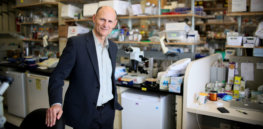
‘Elixir of life’: Can epigenetic reprogramming help us live longer and healthier?
[Juan Carlos] Izpisúa Belmonte can rejuvenate aging, dying animals. He can rewind time. But just as quickly as he blows ...

‘Cancer lab’ on a chip could move diagnosis into our homes
Finding out you have cancer is bad enough, but to then have to go to hospital for a painful and ...

Experimental ‘preemptive’ therapy fails to improve autism traits in study
An experimental behavioral therapy delivered by parents does not improve autism traits in babies who screen positive for the condition, ...

‘Unconventional’ Nobel laureate Kary Mullis, known for revolutionizing DNA research, has died
Kary Mullis, who shared a Nobel Prize in chemistry for devising a technique vital in DNA research and technology, and ...

Life after death? Some genes turn on after we die, and we don’t know why
“We really know nothing about what happens when you die,” says Peter Noble, a former professor at the University of ...

New era in prosthetic limbs promises to restore sense of touch by melding ‘biology with machine’
Building smart mind-controlled robotic limbs isn’t enough; the next frontier is restoring sensation in offline body parts. To truly meld ...

How widespread genetic testing could change the way we live, treat disease
More than half of Icelanders have now had their precise genetic make-up sequenced and analysed. ... The aim of such ...

Seeking origins of schizophrenia, autism by putting ‘stress’ on mini-placenta, mini-brains
Biologist Jennifer Erwin of the Lieber Institute for Brain Development, however, has no intention of babying her organoids: the world’s ...
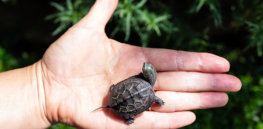
Can these turtle embryos change their sex by finding warmer or cooler spots within their eggs?
At 27.9 °C, roughly equal numbers of female and male turtles will emerge from the nests of the Chinese pond ...
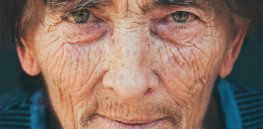
‘From quackery to established science’: Here’s what’s going on with promising anti-aging research
It’s hard to pinpoint the exact moment anti-aging research morphed from quackery to an established science. Some say it’s 1939, ...
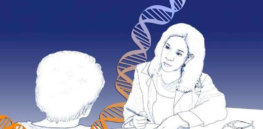
Viewpoint: We need to stop worrying about whether people can cope with bad news from genetic tests
When the Human Genome Project began in 1990, bioethicists feared that giving people the results of genetic tests would do ...

‘Built to forget’: Why memory lapses are good for our brains
Until about ten years ago, most researchers thought that forgetting was a passive process in which memories, unused, decay over ...
