


Daily Human Digest

Searching for sleep: Genome mining project looks for insomnia links
In a genetic study of unprecedented size, scientists have searched for inherited causes of insomnia in the DNA [of] 1,310,010 ...
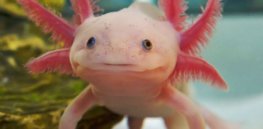
The regenerating axolotl: What can we learn from its giant genome?
Scientists have decoded the genome of the axolotl, the Mexican amphibian with a Mona Lisa smile. It has 32 billion ...
Chasing the ‘Fountain of Youth’ through stem cells
Editor's note: The following is part of a Q&A interview with Vittorio Sebastiano, a research professor of reproductive biology at ...

Speech mystery: Language relies on brain pathways that predate human beings
New research has identified the brain systems involved in language learning and discovered that these systems pre-date the human species ...

‘Cancer causing’ BRCA genes are often misunderstood
Some of the first genes identified as risk factors for cancer, the BRCAs (BReast CAncer genes) are really about much ...

Viewpoint: US may be losing CRISPR race against China, but FDA regulations are worth it
[H]ow did China edge out the United States to become the first to use CRISPR in humans? American researchers were, ...

Forecasting the flu is a challenge. Here’s why
[F]or the third week in a row, flu activity remains widespread in 49 states, according to the latest CDC data ...

Did life begin in water—or some other liquid?
[W]hile water is an indispensable solvent for all known life forms that exist today, water also inhibits the formation of ...
‘Cancer vaccine’ shows promise in mice; human trial next
A combination of a tiny segment of DNA and a specific antibody injected into a solid tumour has been shown ...

Autism researchers focus on ‘retired’ line of mice with missing gene
Nearly 20 years ago, a new strain of mice debuted in a California laboratory. The mice were missing a gene ...

Former Novartis chief Joseph Jimenez discusses breakthroughs in gene therapy, future of CRISPR in medicine
Editor's Note: Novartis CEO Joseph Jimenez retired in January after eight years in the top job at one of the ...

‘Like a mobile phone’: The genome sequencer that fits in your pocket
Scientists have used a device that fits in the palm of the hand to sequence the human genome. They say ...

CRISPR shows promise in treating Duchenne muscular dystrophy
Scientists have successfully tweaked the DNA in human heart cells to correct mutations that cause a deadly disease. If the ...

Why autistic children are less likely to engage socially
[C]linicians and scientists have proposed a variety of theories to explain why kids with ASD tend to be less socially ...

What might the next flu pandemic look like?
If humanity is lucky, the next flu virus with pandemic potential will unfold somewhere quick to catch and contain the threat—a ...

Ancient Eurasian DNA helps untangle humanity’s twisted family tree
Advances in ancient DNA sequencing are shedding light on the genetic links between our Stone Age ancestors and modern humans, ...

In vitro fertilization planning: How many eggs do you need to freeze?
[W]hen you freeze a batch of eggs, that's no guarantee any or all of them will make it through the ...
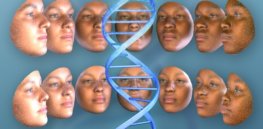
Viewpoint: Racism rather than ‘race’ better explains racial disparities in addiction and other diseases
[T]he assumption that health disparities are caused by race rather than racism permeates more subtly in the practices of many ...

Are atheists smarter than religious people?
Of course, there are examples of extremely intelligent individuals with strong religious convictions. But various studies have found that, on ...
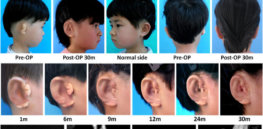
Replacement ears for children grown from their own cells in Chinese lab
Chinese scientists say they’ve accomplished something that’s long been a goal in the world of regenerative medicine—giving someone a new, ...

Sperm donor children can sometimes track down their once-anonymous dads using consumer DNA tests
There was a time when a man could anonymously donate sperm to a couple or woman trying to conceive and ...

5 ways CRISPR will revolutionize the future
1. CRISPR Could Correct The Genetic Errors That Cause Disease. [...] In summer 2017, scientists at the Oregon Health and Science University used CRISPR ...
This may explain why women are more likely to develop lupus
Every year, 16,000 cases of lupus are reported in the United States — 9 out of 10 of them in women. Scientists ...

Harnessing evolution for space travel: Using biomimicry to recreate life on Mars
[E]volution has had billions of years of trial and error to produce species that are well adapted chemically and physically ...

Gene therapy setback? Animal deaths in treating muscular dystrophy spark new concerns over high doses
An influential scientist involved in gene therapy’s biggest setback, the death of a study volunteer 19 years ago, has issued a ...

You might soon be able to sell your DNA in cryptocurrency
[I]f a new startup is successful, you will soon be able to spit in a cup, upload your genetic code ...

What was CRISPR before humans ‘discovered’ it for use in gene editing?
[T]here is a less sequins-and-glitter side to CRISPR that’s just as alluring to anyone thirsty to understand the natural world ...
