


Daily Human Digest

How heritable is autism? Twins research suggests we may be vastly underestimating it
An analysis of DNA variants suggests the heritability of childhood behavior problems, including autism traits, is about 6 percent, researchers ...

‘Genetic nurture’: Parents’ genes affect how they raise their children
A new paper [January 26] in Science suggests a fascinating new twist on this interaction between our genes and our environment. Our ...

Search and destroy: CAR-T cell therapy could give patients HIV immunity
A UCLA-led research team has created blood-forming stem cells that can carry a gene that allows the body to produce cells ...

Viewpoint: Why ‘having a public conversation’ about gene editing could hinder advances
[I]t has become clear that [gene editing] technologies aren’t on the far-flung horizon; they’re at our front door. A recent article ...
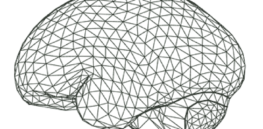
Evolution of modern human behavior linked to the rounding of our brains
In a study published [January 24] in Science Advances, researchers from the Max Planck Institute for Evolutionary Anthropology announced that the earliest Homo sapiens did ...
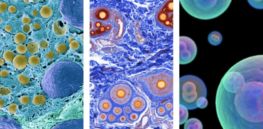
Human Cell Atlas: The quest to build biology’s periodic table
Realizing the need and potential for an atlas of all human cells, two scientists, Aviv Regev and Sarah Teichmann, have ...

Genetic ‘switch’ could slow spread of cancer in patients with high-fat diets
In a set of papers published in the journals Nature Genetics and Nature Communications, researchers at Harvard Medical School and the Cancer Center at ...
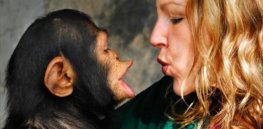
Unique mix of brain chemicals separates humans from other primates
A team of researchers has now used a novel technique to form a hypothesis on the origins of our rich ...

Why Huskies have blue eyes—and why it might matter for understanding human diseases
[A] new study may help salvage the [direct-to-consumer genomics] field by turning to a previously untapped pool of subjects: dogs ...
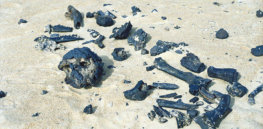
Earliest human relative? Mystery and controversy surround 7-million-year-old femur
When anthropologists meet in France at the end of January, one of the most provocative fossils in the study of ...

Questioning the decision to resurrect smallpox relative in the lab
In an effort to develop a safer vaccine substitute, Canadian researchers have resurrected a close relative—the extinct horsepox virus—from scratch ...

Hot stuff: Do human pheromones really exist?
Some companies, such as the Athena Institute, which, according to its founder, Winnifred Cutler, published its 108th consecutive ad in The Atlantic this month, ...

Sunshine and green spaces could be prescription for teen depression
Exposure to trees and other greenery has been shown to stave off depression in adults, and a new study finds ...

Targeting invasive pests with genetically tailored poison in New Zealand
Recently, New Zealand has been at the center of a heated debate over whether it is either feasible or ethical to use ...
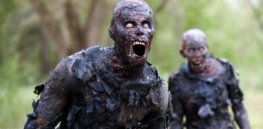
What do zombie movies tell us about our changing attitudes towards science?
There is no better barometer of the values and fears of our society than the monsters our culture creates... What ...
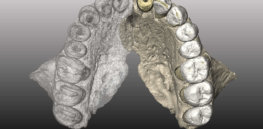
Rewriting human history: Fossils discovered in Israel suggest earlier departure from Africa
A small bit of human jawbone found in Israel has been dated to between 177,000 and 194,000 years ago. Before ...

Friendlier regulations fuel China’s lead in human gene-editing race
In a hospital west of Shanghai, Wu Shixiu since March has been trying to treat cancer patients using a promising ...
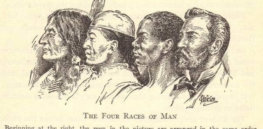
Viewpoint: ‘Scientific racism’ and eugenics are infiltrating legitimate science again
Researchers with extreme views on race number relatively few but, having languished on the margins of their fields for many ...

We’re about to see an expansion of life’s genetic code
With recent innovations in gene editing, it may seem as if the field of synthetic biology is just starting to ...

‘Dead CRISPR’ may offer easier way to create stem cells
The ability to make stem cells from other cell types has largely been a recent phenomenon. It took a huge ...
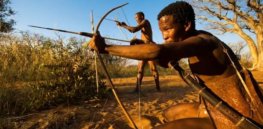
Ancient poison used for arrows could lead to male birth control pills
According to scientists, a poison arrow in the quiver may let loose a very sticky nether-region massacre. The poison in ...

Will CRISPR work in people? Scientists say study raises questions, but is not a setback
It can feel shocking when someone disparages a golden person, thing or technology — and in recent years, no emerging ...
Video: Ancient virus could explain how human memories are formed
The particulars surrounding how our memory works has baffled neuroscientists for decades. Turns out, it’s a very sophisticated process involving ...
‘An awful lot of spit’: Consumer DNA test market booms as consumers ‘take control of their health’
When AncestryDNA sold some 1.5 million of its genetic testing kits over Black Friday weekend, it seemed like clear evidence that after ...

Why news of cloned monkeys doesn’t mean humans are next
Researchers in China reported on [January 24] that they have created two cloned monkeys, the first time that primates have ...
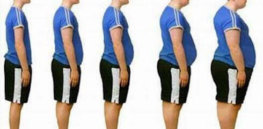
‘Personal omics’: Weight changes affect what’s happening in our gut, disease susceptibility
Gaining and losing weight causes extensive changes in the gut microbiota and in biomarkers related to inflammation and heart disease, ...

Broken barrier: Monkeys are first primates to be cloned
There have been mice and cows and pigs and camels, bunnies and bantengs and ferrets and dogs, but ever since ...
