


Science Literacy Project Daily Digest

Viewpoint: Could a GMO herbicide-resistant milkweed help save the Monarch butterfly?
Sobering news broke this month for those of us who love monarch butterflies – and who doesn’t? Those black and ...

40% yield increase: How tweaking one gene could create a super rice that adapts to climate change
Many people are hesitant to eat plants or animals that have been enhanced with foreign genes, citing health and environmental concerns, the ...

Viewpoint: EU’s approval to import genetically engineered corn for human consumption opens door for Africa to follow suit
The EU is among regions that have, for some time, resisted importing and cultivating genetically engineered (GE) crops. But this ...

‘Racist overtones’: Renaming ’monkeypox’ runs into headwinds
Since the earliest days of the current global monkeypox outbreak, scientists and public health authorities have been calling for the ...

Strange symptoms: Hair and libido loss linked to long COVID
A huge new study has offered the most robust investigation to date into the symptoms and prevalence of long COVID ...

Back from the dead? Pig organs revived after cell life stopped, raising hopes for transplant breakthroughs
Researchers have restored circulation and cellular activity in the vital organs of pigs, such as the heart and brain, one ...

Haven’t had COVID yet? You’re part of an exclusive club — but that doesn’t mean you have ‘super immunity’
There are no winners in a pandemic. That said, if you’ve made it to the summer of 2022 without yet ...

Study: Why plant-based meats are healthier for you and better for the planet
There are increasingly strong reasons to move away from industrial animal agriculture for the good of the environment, animals, our ...

‘Feed Your Mind’: FDA releases guide on GMOs, emphasizing their safety, sustainability and occasional nutritional advantages
GMO foods have been available to consumers since the early 1990s. Since then, the U.S. Food and Drug Administration (FDA), ...

Are robot bees a viable solution to pollination problems?
Every so often a headline will shout about the coming of the robo-bees, with the vision of a dystopian future ...

GM seeds likely to be in the hands of Ghanaian farmers by next year, scientists say
Ghanaian scientists say genetically modified seeds will most likely be in the hands of farmers by the start of the ...

Two more HIV patients beat the virus — helping scientists researching a permanent cure
A 66-year-old man in Southern California and a woman in her 70s in Spain are the latest in a small ...

New evidence refutes ‘lab-leak’ theory of COVID-19 origins
Scientists say there is "compelling evidence" that Wuhan's Huanan seafood and wildlife market was at the center of the Covid-19 ...

TPOXX controversy: Most effective treatment for monkeypox blocked by red tape. Here’s why
As monkeypox cases continue to rise in the U.S. and the rest of the world, many of those most affected ...

Do you sleep through the night? Your brain rhythmically oscillates between awake and asleep up to 100 times a night
Sleep is a complex neurological process characterized by shifting brain patterns, fluids flushing in and out of the skull, and ...
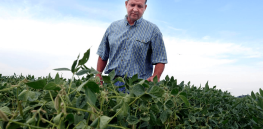
Monsanto and BASF held liable for farmers who misused older formulations of dicamba, resulting in drift and extensive crop damage
The difference between farmers and meth cooks who misuse legal products has proven crucial in a court ruling with far-reaching ...
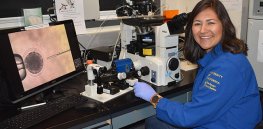
Maci Mueller: Pioneering revolutionary changes in livestock breeding through gene editing
Scientific innovator Maci Mueller is using gene editing to revolutionize the way that ranchers and dairy farmers perpetuate their herds ...

‘Solving Africa’s food challenges’: Will anti-GMO activists and other market obstacles block adoption?
“We're living on borrowed time,” says Wijnand Swart, a plant pathologist at the University of Free State (UFS) in South ...

‘Smell cyborgs’ are replacing dogs that sniff out cancer or explosives
We live in a world of odors—chemical signals that contain valuable data about our health, the environment and even personal ...

Did the prevalence of gonorrhea in early humans lead to long-living and protective grandmothers?
The arms race between the human immune system and gonorrhea might have had the useful side effect of promoting healthy ...

Children aren’t exempt from long COVID risks
Post-COVID-19 conditions (PCCs), aligning with what's come to be known as long COVID, persisted at 3 months for many children ...

Nigeria endorses safety of GMO foods
The Director General of the National Biosafety Management Agency (NBMA), Dr. Rufus Ebegba, has restated that all approved Genetically Modified ...

Evolution of lactose tolerance: How humans (recently) became able to digest milk, cheese and other dairy products
In a study published [July 27] in Nature, researchers compared archaeological evidence for 9,000 years of European milk use with genetics, and found ...

US security report: China’s efforts to acheive food security seen as threat to steal crop biotechnology innovations and weaponize gene-editing tools
China’s efforts to achieve food security represent a threat to the US, according to an American federal agency focused on ...

Talking to newborns: Within the first few hours, they can recognize language patterns and begin learning
Babies actually start processing language and speech incredibly early. Even while in the womb, they learn to discern voices, along ...

Cognitive shortcuts: How ‘magical thinking’ plays an important role in our lives
Adults often deny believing in magic, but on closer inspection, much of our behavior is more magical than we think ...

‘Mosaic nature of human evolution’: At what point did we become human?
The study of the genomes of our closest relatives, the Neanderthals and Denisovans, has opened up new research paths that ...
