


Science Literacy Project Daily Digest

Cacti and other succulents provide a genetic blueprint for scientists engineering climate-resilient crops
Geneticists have long tried to understand the biochemical marvel of the succulent, and there is still much they don’t know ...

Another long-term study challenges benefits of moderate alcohol consumption
While the evidence on alcohol consumption varies from study to study, it’s generally thought that people who drink in moderation ...

Can we feed the world with just organic agriculture? No, says pro-organic Swiss agronomist
The earth has to feed more and more people. Can that only work with organic farming? “No,” says Urs Niggli, ...
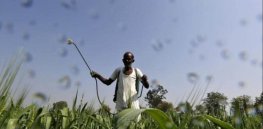
Seed Speaks Video: Getting beyond the myth that synthetic pesticides do more harm than good
With questions about sustainability and safety from consumers, and efficacy and longevity from farmers, pesticides have many questions that need ...

Battle royale in Europe over agricultural genetics
In an op-ed published in October, French Agriculture Minister Julien Denormandie said it is now necessary to launch the “third ...

How hot is too hot? Climate change likely to spark intolerable spikes in temperature and humidity
Will climate change spark increases in heat and humidity that could challenge human tolerance? As we careen toward temperatures that ...

All animals sleep — and scientists are still struggling to understand why
All animals sleep, even the diminutive roundworm Caenorhabditis elegans. Tinkering scientists have tried to genetically engineer the act out of ...

Climate-resilient desert crops: New generation of hardy seeds optimized for harsh environments
While thirsty crops like alfalfa and corn dominate the region, [farmer Laura] Parker has emerged as a leader in revitalizing ...

Hundreds of dog breeds have disappeared over the centuries. Could — and should — we bring them back?
The World Canine Organization officially recognises around 370 different breeds, including the fashion-victim Chinese Crested, with its nude, greyish body ...

Journal article: ‘Sustainable intensification’ — Why high-yield farming may offer best solution to meet ecological and consumption demands
How to feed, house, clothe and power 11 billion of us without eliminating very many species and wrecking Earth's climate ...

Replacing chemical pesticides? Sprays made from RNA may be the next generation of plant pest control
The downsides of existing fungicides and pesticides are well-known: Residue from the sprays can build up in the environment and ...

Opinion: African farmers can benefit from co-existence of agroecology and biotechnology
Can agroecology coexist with modern agricultural technologies? What is the reason for the fight against genetically modified (GM) cowpea or Golden Rice when the world’s ...

Animal or vegetable? Stroke risk linked to type of fat in your diet
Fat in the diet has long been linked to stroke risk, but new research presented [November 8] suggests that it’s ...

What personality traits lead to living longer?
Recent research shows that several personality traits predict who will enjoy health into their 80s and beyond. According to some ...
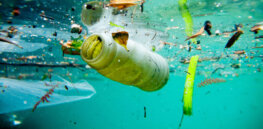
How dangerous is plastic pollution? These facts may surprise you
Plastic is everywhere, and we have all heard it’s bad for the environment because it takes a long time to ...

EPA concludes three commonly-used herbicides can harm endangered species and their habitats
The Environmental Protection Agency has finalized biological evaluations concluding that three common herbicides can adversely affect endangered species or their ...

Peanut allergy-curing dermal patch shows promise
Safety of a dermal patch for helping peanut-allergic children tolerate the ubiquitous legume improved over time in a 3-year, open-label ...

Viewpoint: Billionaires’ quest for immortality raises prickly questions about pathologizing old age
Welcome to the era of immortalists: scientists, dreamers and – crucially – billionaires, who want us to think of age ...
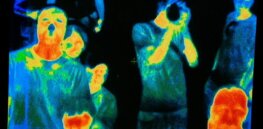
98.6°F: American body temperatures have been dropping for 200 years. Why?
Early last year, researchers in the United States combed Civil War veteran records and national health surveys and found temperatures ...

What’s it like living with high-functioning autism?
I knew I wasn’t like other people. But I had also internalized the idea that this was “fixable,” that I ...

More for less: Biotech approach increases rice yields with fewer nitrogen inputs
On a hypothetical culinary tour around the globe, sampling the classic dishes of the world, one would be hard pressed ...

Viewpoint: Monsanto doesn’t control Mexican farmers’ seed choices — activist groups do
For the last 25 years I've listened to the tired argument that Monsanto controls farmer seed choice. Over and over ...
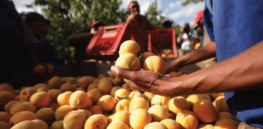
EU’s Farm to Fork Green Deal could hurt South African agriculture unless production adjustments are made
The European Union – among a host of other countries – is seeking to implement urgent policy measures to combat ...

Once an ardent GMO promoter, Soylent no longer touts the role of genetic engineering in making its drinks
Few food companies over the past decade have voluntarily promoted the use of genetic engineering on their labels. After all, ...

Is there an evolutionary explanation for recent surge in child-free pet parenting?
I’m an anthropologist who studies human-animal interactions, a field known as anthrozoology. I want to better understand the behavior of ...

Mystery envelops Homo naledi child skull fragments found in South African cave
Named “Leti,” this is the first known skull belonging to a Homo naledi child—a fossil that’s shedding new light onto ...

How magnetic brain stimulation helped one man beat his decades-long struggle with depression
When Tommy Van Brocklin signed up for a trial of a special type of magnetic brain stimulation therapy that could ...
