


Science Literacy Project Daily Digest
Genome sequencing for newborns can save lives. Should governments mandate it?
Genomics England, a government owned company, recently announced a pilot program of whole genome sequencing to screen for genetic diseases ...
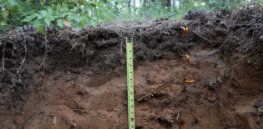
GMO crops and glyphosate use can offer carbon sequestration benefits, Canadian study suggests
University of Saskatchewan research has concluded that genetically modified canola and the use of glyphosate have increased carbon sequestration in ...
With a prospective vaccine in the pipeline, hope grows that an effective treatment for Alzheimer’s could become reality
A vaccine against Alzheimer’s disease could be on the horizon after scientists carried out successful trials in animals. Researchers from ...
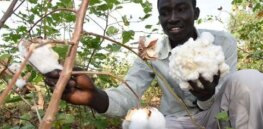
Kenya’s insect-resistant GMO cotton embrace boosts farmers’ yields and cuts down on chemical use
In 2018, President Uhuru Kenyatta under his Big Four Agenda made an announcement... allowing the cultivation of Genetically Modified cotton ...

Evolutionary thinking: What would a world without humans look like?
Humanity's fingerprint can be seen across the planet today, from the towering skyscrapers that define our modern metropolises to the ...

Why did Neanderthals lose their battle for survival to modern humans? Here’s a new theory
Our hypotheses surrounding the Neanderthals’ fate have... changed over time. The longest-standing theory is that we outcompeted them: We were ...

Nigerian GMO cowpea farmers testify to reduced pest infestation and better yields
Nigerian farmers growing the country’s first GMO food crop — pod borer-resistant (PBR) cowpea, or beans — say they have ...

Glyphosate herbicide helps reduce carbon emissions in agriculture, academic study finds
In the early 1990s, tillage was the leading form of weed control, with minimum/zero-tillage management practices incapable of long-term continuation ...

Climate change impacts crops rich in micronutrients like zinc, vitamin A, and iron — triggering food security issues in lower-income countries
A new review paper, published in Advances in Nutrition, draws together the existing science of how climate change threatens staple ...

Going GMO-free? Why rejecting biotechnology leads to environmental and financial losses
Challenges associated with supplying society with food have evolved from additional innovation and continual innovation will be required to meet ...
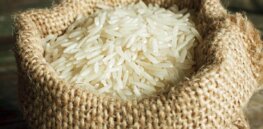
Endangered rice: Key crop provides 25% of global calories, but rising temperatures threaten long-term viability
For much of the developing world, rice is a key to human survival. But at the same time, climate change ...

The perfect grain for the perfect beer: How CRISPR could improve barley crops
Using CRISPR/Cas9 technology, scientists develop and study gene-edited barley that resists pre-harvest sprouting. After a spell of unexpected rain, before ...
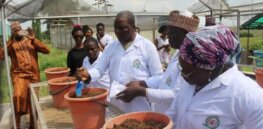
Viewpoint: Nigeria needs biotechnology to rescue itself from ‘primitive agricultural practices’
As Nigeria struggles to address the increasing food challenge by its citizens, the director general, National Biotechnology Development Agency, Prof ...
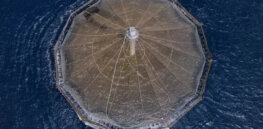
Viewpoint on sustainable fishing: Oft-maligned aquaculture offers range of environmental and production benefits
With the U.S. importing 90 percent of the seafood we eat, it’s clear that wild capture fisheries alone can’t meet ...

The singularity: Futurists ponder coming era of technological explosion
Technology has a habit of running away from us. When a breakthrough occurs or a floodgate opens, explosive, exponential growth ...
What worms and fruit flies can tell us about living past 100
To figure out how to slow (or even stop) ageing, we need to know why our bodies do it in ...
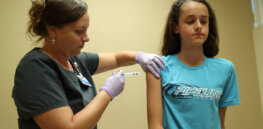
HPV vaccine cuts cervical cancer rate by 87% in UK study
The human papillomavirus (HPV) vaccine reduced cervical cancer cases by 87% among women in the U.K. who received the vaccine ...
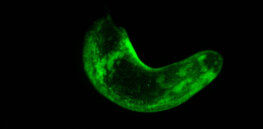
Can humans eventually regenerate limbs? Glow-in-the-dark worms might help us find out
Most animals exhibit some form of regeneration: regrowing hair, for instance, or knitting a fractured bone back together by growing ...

Syphilis is surging in the US. Here’s why — and why it’s preventable
In the United States, more than 129,800 syphilis cases were recorded in 2019, double the case count of five years ...

A magic hour to go to sleep? Hitting the pillow between 10 and 11pm might lower risk of heart disease
Scientists in Europe have said that research into the links between sleep and heart health often relies on foggy recollections ...
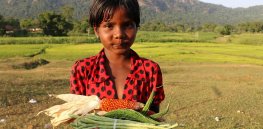
Crop extinction crisis? 50% of India’s produce varieties are at risk
Crop and varietal diversity are critically important for global food and nutrition security, as well as the livelihoods of millions ...

Vaccine opponents often cite concerns about new mRNA technology. Can science dispel those fears?
Thanks to Moderna’s and Pfizer’s highly effective COVID-19 vaccines, “messenger RNA” has become a household term — and a source ...

What do crop gene editing regulations look like across the globe?
To determine the global regulatory landscape, [an article by the Norwegian University of Life Sciences] focused on the regulations of ...
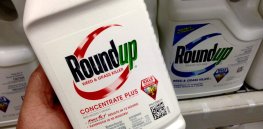
California court upholds $86.2 million settlement against Bayer for alleged damages caused by Monsanto’s Roundup weedkiller
The state Supreme Court rejected a challenge by Monsanto Co. on [November 17] to $86.2 million in damages to a ...
Seed Speaks Video: ‘Farmers are inherently sustainably minded’ — Agriculture is often unfairly criticized as a carbon polluter yet technological advances have dramatically reduced climate change impacts
For decades farmers and others working in agriculture have worked hard to implement practices to make their farms more sustainable ...

There could be a genetic link between your mental health and where you choose to live
In a study published in October in the journal JAMA Psychiatry, researchers find one’s genetic risk for mental health conditions ...
Brain health: How to slow down the mind’s natural aging process
I have worked in the area of brain health for almost 20 years in my role as a psychiatrist, and ...
