


Science Literacy Project Daily Digest

Why do so many dogs eat human poop?
Molly, our beloved Labrador retriever, certainly loved to eat poop. Sometimes she would chow down on her own feces, and ...

Philippines rollout of insect-resistant Bt eggplant expected to dramatically increase farmer profits
Eggplant farmers suffer significant yield losses at 51-73% annually due to the eggplant fruit and shoot borer (FSB). To address ...

Viewpoint: Genetics is revolutionizing baby making and what it means to be a family
Humans are reproducing in ways that would have been truly unimaginable just several decades ago: Two men and a surrogate ...
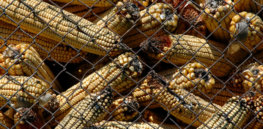
Viewpoint: Food safety could be jeopardized in the EU if fungicides that kill cancer-causing toxins are banned
There are many countries that some Europeans will never visit, yet they eat food from these places every day. –For ...

Can gene-edited crops be ‘detected’? Claims by Greenpeace and anti-biotech activists dismissed by safety officials, scientists
A joint report by several NGOs caused a stir on September 7th by claiming that [gene editing] was now detectable ...
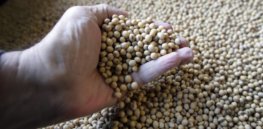
GMO soy permit revoked by Mexico, but illegal planting expected to continue
The TFJA [The Federal Court of Administrative Justice] Specialized Chamber for Environmental Matters and Regulation has issued a new resolution ...

COVID spurs fears of surge in suicides
The rate of suicide—the second leading cause of death in the U.S. among people ages 10 to 34 and the ...
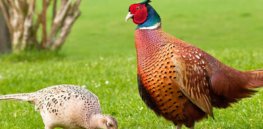
Nature vs nurture? Why humans are the only animal that has genders
As gender theorists like Judith Butler and Anne Fausto-Sterling have pointed out, sex and gender cannot be fully pulled apart. Facts about our sexed ...

For untreatable diseases, should you consider unapproved stem cell therapy?
Regenerative medicine is a controversial field, still in its infancy. There are academic researchers and major biotech companies testing key ...
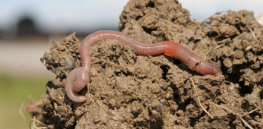
New meta-analysis finds Bt crops have no impact on soil biota
A new meta-analysis finds that genetically modified Bt crops — in stark contrast to some pesticides — have no impact ...

Freud was right – dreams are a distorted continuation of reality
Whereas ancient civilisations may have interpreted dreams as having supernatural or spiritual origins, in modern society, we're more likely to ...

Hangover free wine? CRISPR gene editing could produce new varietals and disease-resistant grapes
Gene editing offers a new tool for wine grape growers, who have for decades grappled with troublesome pests, high pesticide ...

Health monitors you can draw on your skin with electronic pen and ink
Wearable sensor technology, which helps doctors check a variety of health indicators, has in recent years advanced from bulky devices ...

Can you change your personality as you age?
Personality is the pattern of thoughts, feelings and behaviors unique to a person. People tend to think of personality as fixed. But ...

How one person was spontaneously cured of HIV—and what that may mean in the fight against AIDS
Twice, people infected with HIV have had levels of the virus in their bodies drop to undetectable levels after bone marrow ...

Lab-grown…kibble? How cultured meat might sustainably feed our cats and dogs
The alternative meat movement is growing and quite literally for some companies. Companies like Bond see lab-grown meat as a ...

California appeals ruling barring Proposition 65 cancer warning for glyphosate
California Attorney General Xavier Becerra [September 9] filed a notice of appeal in the lawsuit National Association of Wheat Growers, ...

How animals think
Neuroscientists wanting to understand the brain’s coding language have conventionally studied how its networks of cells respond to sensory information ...

Cavendish banana faces extinction. Can scientists save this staple before it’s too late?
Pests and diseases are threatening Cavendish bananas with extinction. Dutch university Wageningen and plant research company KeyGene are jointly joining ...
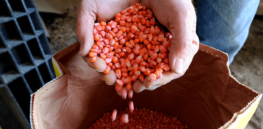
Viewpoint: Research raises concerns about ‘ecosystem-wide impact’ of neonicotinoid pesticides
One of the main lessons that emerged from Silent Spring is that we overuse pesticides at our own peril because ...

Nature has given us a blueprint for longevity. We just need to decode it
Our aging process extends for years, during which we experience a slew of age-related disorders. Diabetes. Heart disease. Dementia. Surprisingly, ...

How a ‘selfie’ and AI could be used to diagnose heart disease
It is known already that certain facial features are associated with an increased risk of heart disease. These include thinning ...

When the brain adjusts what we see, is it distorting reality?
[From a few feet away, a manhole cover] looks circular, but this is because of some impressive perceptual machinery in ...
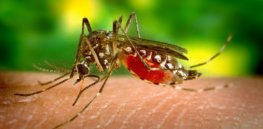
Singapore sees 65-80% fewer dengue cases in areas where disease-fighting mosquitoes released
Releasing mosquitoes into the corridors of apartment complexes might seem like an unusual strategy for a city fighting its worst ...

Bayer, BASF, Corteva pledge $16.5 billion to help EU farmers cut pesticide use
Crop protection companies active in the European Union, including including BASF SE, Bayer AG, have pledged to spend $16.5 billion ...

Canada’s demand for GMO Impossible Burger grows as consumers cut meat from diets
Responding to “overwhelming demand” in Canada, the Impossible Burger will be available this year in a wider variety of restaurants ...

‘Ecocide’? Green groups blast France for lifting neonicotinoid pesticide ban to save sugar-beet growers
France has moved to reverse a ban on a class of pesticides only weeks after it came into force, reigniting ...
