


Science Literacy Project Daily Digest

EPA approves continued use of controversial neonicotinoid insecticides, with added restrictions to protect bees
The EPA announced [Jan 30] it supports the continued use and registration of neonicotinoids, a class of insecticides linked to ...

Microbes that treat parasitic infection could yield natural, safe insecticide
For hundreds of years, practitioners of traditional Chinese medicine have used an herb called Stemona sessilifolia as a remedy for ...

Do obesity and mental illness share genetic links?
If a person with high genetic vulnerability is exposed to adverse environmental factors, such as an infection or mental trauma, ...

Brain organoids ‘giving insight’ into origins of autism, epilepsy and schizophrenia
Knowing how the human brain develops is critical to understanding how things can go awry in neurodevelopmental disorders, from intellectual ...

Amish people study suggests environmental factors influence mutations causing disease and evolution more than genes
The rate of new mutations in the human genome appear to be consistent across diverse populations, except one—the Old Order ...

Bayer reportedly discussing halt of Roundup weed killer sales to consumers as part of glyphosate-cancer settlement negotiations
Bayer is considering stopping sales of the weedkiller glyphosate to private users who apply it in their gardens, German newspaper ...

‘My entire goal is to basically age in reverse’: How biohackers are attempting to engineer longer lives
When day breaks, they go out in their yard and face the rising sun — Thaddeus [Owen] in shorts and ...

Genetically engineered bacteria could inoculate honeybees against deadly varroa mites, deformed wing virus
Scientists from The University of Texas at Austin report in the journal Science that they have developed a new strategy ...

Monsanto expected farmer complaints when it released drift-prone herbicide dicamba, court documents show
Monsanto expected thousands of farmers to complain about its new weedkiller drifting and harming their crops when it launched the ...

‘Intrepid explorers’: Neanderthals hunted their way across thousands of miles in Europe
Neandertals were epic wanderers. These ancient hominids took a 3,000- to 4,000-kilometer hike from Eastern Europe to the Altai Mountains ...

Lab-grown dairy proteins could make vegan cheese as good as the real thing
Vegan cheese isn’t what it used to be. The products of yesteryear had a reputation for being plastic-y slices with ...

Alzheimer’s link to herpes disputed in new study
Around 30 years ago, researchers in the UK discovered DNA strands of herpes simplex virus 1 in postmortem brain samples of Alzheimer’s ...

Ancient mummy ‘speaks’ with reconstructed vocal tract
David Howard at Royal Holloway, University of London, and his colleagues have reconstructed the vocal tract of Nesyamun, a priest ...

Starbucks to launch plant-based breakfast sandwich as part of ‘environmentally friendly’ menu
Starbucks announced it will become the latest food chain to introduce a plant-based breakfast patty for its customers in the ...

Veganism bad for your brain? Recent research raises controversial questions about plant-based diets
The idea that avoiding meat is bad for our brains makes some intuitive sense; anthropologists have been arguing about what ...
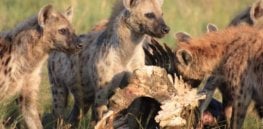
Was Darwin wrong about ‘survival of the fittest’? Collaboration may be just as natural as competition
To put it simply, we have let Darwinism set the horizon of possibility for human behavior. Competition has become a ...

A Rwandan farmer’s son: Why I advocate for GMO crops in Africa
Being raised in a family where all income came from my mother’s farm is something hard to forget. My mother ...

Living without a sense of smell brings feelings of isolation and peril, study says
A recent study is one of the first to highlight the plights faced by a small segment of the population: ...

Gene editing could help make vertical farming a viable tool in the battle against global hunger
Dr. Huw Jones of Aberystwyth University stressed the importance of genetic engineering in the future of agriculture, saying that while ...

Viewpoint: Mandatory gene-edited food labels would ease consumer fear of CRISPR
The food industry’s last venture into genetic engineering, more than 30 years ago, was a commercial success for agriculture ...

GMO diamondback moth shows promise as sustainable pest control tool in first ever open-field release
A newly published study reports a successful, first-ever open-field release of a self-limiting, genetically engineered diamondback moth, stating that it ...

Glyphosate herbicide cancer fears could turn electricity, microwaves into viable weed-killing tools
Concern about glyphosate - the world's most widely-used weedkiller - has been growing since 2015, when the World Health Organization's ...

Mosquitoes engineered to resist dengue could become gene drive weapon against the deadly disease
Locked in a secure lab near Melbourne is the newest addition in the fight against dengue: genetically engineered mosquitoes that ...

Malthusian inversion: Slowing population growth could mean cheaper food and a cleaner environment
I’ve noticed several articles in the past few weeks talking about slowing or even falling population growth .... The richer ...
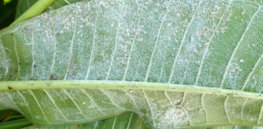
CRISPR gene editing knocks out viruses responsible for billions of dollars in crop losses
Viruses cause billions of dollars in losses for many food, feed, and fiber crops, including staples like wheat, rice, potatoes, ...
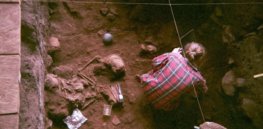
DNA from 4 ancient children shed light on diversity of humankind’s African origins
Four ancient youngsters, one pair from around 8,000 years ago and another from about 3,000 years ago, have opened a ...

41% of Americans have had plant-based meat, survey shows, and most will keep eating it
Forty-one percent of Americans report having personally tried a plant-based meat, with age being the biggest factor in whether they ...
