


Science Literacy Project Daily Digest

‘Mandela Effect’: What does mass misremembering tell us about human nature?
If you follow unusual theories online, you’ve probably heard of the Mandela Effect. It’s a phenomenon in which a large ...
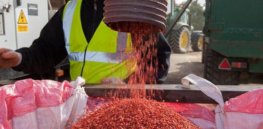
Do farmers really need neonic insecticides? Study sparks debate over pesticides’ future
New research has found a widely used and increasingly controversial insecticide has “negligible” benefits for commercially grown soybeans. Pesticide makers ...

Biofuel from GMO trees could cut global oil use, but EU biotech rules slow development
The looming threat of climate change is increasing the pressure to reduce our consumption of fossil fuels. New technologies to ...
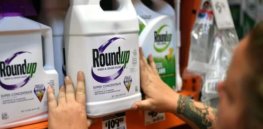
October glyphosate-cancer trial delayed as settlement negotiations continue, Bayer says
A pending U.S. lawsuit over claims related to Bayer’s (BAYGn.DE) glyphosate-based herbicide Roundup has been delayed, the company said on ...

60% of children with autism missed by this widely used screening tool
The most widely used screening tool for autism misses a large proportion of toddlers who are later diagnosed with the ...

Trump administration wants to collect DNA from detained immigrants
The Trump administration plans to vastly expand a program to collect DNA information from migrants in detention and enter it ...

USDA Kansas City relocation halts research on honeybees, organic food and Bayer’s dicamba herbicide
The relocation of two Agriculture Department agencies out of the District of Columbia has delayed the publication of dozens of ...

From hominids to animals: Who lived in Siberia’s famous Denisova Cave?
For thousands of years, Siberia’s Denisova Cave was home to various bands of Neanderthals, Denisovans, and modern humans. But as ...

Robots gain ‘sense of tactile touch’ through light-based nervous system
This month, a team led by Dr. Rob Shepard at Cornell University [gave robots an artificial nervous system], with a seriously ...

Farm group moves to permanently block California’s Prop. 65 glyphosate-cancer warning labels
A nationwide coalition of agricultural producers and business organizations representing a substantial segment of U.S. agriculture filed a motion on ...

Too many carbs, calories? Nope. Lack of fiber biggest problem with American diets
Ask Americans about what they think is the biggest problem with their diets and you'll probably hear a variety of ...
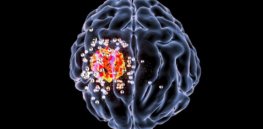
‘It’s unsettling’: Cancer cells use the body’s nerves to attack the brain, studies suggest
Tumour cells can plug into—and feed off—the brain’s complex network of neurons, according to a trio of studies. This nefarious ...

Over 99% of farmers follow EPA pesticide rules, so why is the public scared of chemicals?
[In September] the Federal Food and Drug Administration (FDA) released its 2017 pesticide residue sampling data results. FDA concluded: “The ...

‘Turning electrons into chemicals’: Scientists seek alternatives to oil-based manufacturing processes
Black, gooey, greasy oil is the starting material for more than just transportation fuel. It's also the source of dozens ...
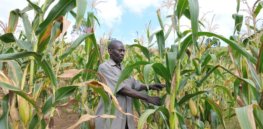
African farmers could boost crop yields with GMO seeds—if their governments would let them
An air of Malthusian gloom hangs over smallholder farmers in Sironko, in eastern Uganda. In the old days, they say, ...

Will the future of CRISPR babies be decided by Russian president Vladimir Putin?
The future of genetically modified babies may lie in the hands of Russian president Vladimir Putin, Bloomberg reported over the weekend ...

Bayer ready for legal battle if EU bans glyphosate in 2022, company leadership says
Bayer’s top exec on pesticides suggested the agrichemical giant would consider legal action if the EU decides to ban the ...

‘Live life to the fullest’: Should autism research shift away from the search for a cure and focus on wellness?
“There’s no cure for autism and anybody who tries to sell you a cure is lying,” [Lizzie] Acevedo, a single ...

Viewpoint: While experts fight about red meat, eat a diet that makes sense for you
Nutrition researchers and doctors are at each other's throats once again, this time over a recommendation published in the Annals ...
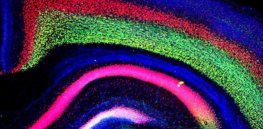
What’s behind human brain disorders? Mouse Genetics Project expects to yield many answers
The Sanger Institute Mouse Genetics Project is part of the international effort to discover the function of every gene in ...

Fat from gene-edited plants could make infant formula more nutritious, less expensive
A team from the Rothamsted Research center, UK, has developed plants capable of mass-producing fat molecules resembling those in human ...

GMO Bt cotton saves Pakistani farmers estimated $7 million on pesticide-related health care costs, study shows
Despite substantial research on the economic effects of transgenic insect-resistant Bacillus thuringiensis (Bt) cotton, there is still limited work on ...

If consumers fear GMOs, why do they keep buying Impossible Burgers?
Used to be that GMOs ranked right up there with child porn as a blight on society no one should ...

‘Fight or flight’: How your bones may help you make that decision
In the face of fear, whether it be caused by a grizzly bear or an audience waiting to hear you ...

Hypersexuality a medical condition? Scientists find genetic links to compulsive sexual behavior
Although it can have a significantly negative impact on a person's quality of life, whether compulsive sexual behavior qualifies as a ...

Brain implants may one day boost our abilities to text, drive, communicate and think
An injection of Silicon Valley chutzpah has energised the field of brain-computer or brain-machine interfaces in recent years. Buoyed by ...

Fertilizer, pesticides from microbes could help make urban farming more productive
Singapore could be an urban farming oasis and achieve government-set guidelines for produce self-sufficiency as researchers there pioneer the development ...
