


Science Literacy Project Daily Digest

Viewpoint: Why the French media still defend Séralini’s discredited GMO rat tumor study
In recent months, the [French] media has had little interest in reporting the results of three large-scale studies that reviewed and confirmed the safety ...

‘More infectious than Ebola’: Dangerous superbug yeast troubles researchers
[A] yeast, a new variety of an organism so common that it’s used as one of the basic tools of ...

Nimble human fingers evolved to smash animal bones in search for marrow
Scientists have long linked the evolution of the human hand—unique for its lengthy opposable thumbs and dexterous fingers—to the rise ...
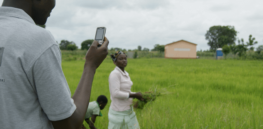
Ugandan farmers could boost production and thwart effects of climate change with new apps
Uganda's National Agricultural Research Organisation (Naro) is popularising three Apps and an SMS-based platform it has developed to help farmers ...

Video: Cancer patient testifies against Monsanto in Roundup weed killer trial
It is the first time St. Louis-based Monsanto Company has had to defend one of its products, Roundup, in front ...

Dementia affects men and women differently—and we’re just beginning to understand why
Globally, experts estimate that 75 million people will live with dementia by 2030 and 131.5 million by 2050. Most are women. … ...

Viewpoint: Powerful new food industry group promises to promote science-based policies—but will it?
Four of the largest food companies have combined forces to form a new advocacy association. Danone North America; Mars, Incorporated; ...

Cancer drug duo could lengthen life, boost elderly immune system
Drugs that can lengthen life have long been a hallmark of speculative science fiction—many hope for an invention that could ...

European court appears poised to rule that gene edited crops should not be regulated as GMOs
Gene editing in agriculture takes centre stage [July 25th] when Europe’s highest court rules in a case that could determine ...
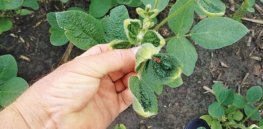
Soybean farmer sues dicamba manufacturers, seeks injunction on sale of popular herbicide
A northeast Nebraska farmer has sued herbicide manufacturers, saying his neighbors’ use of the company products damaged his soybean crop ...

Why does CRISPR randomly fail 15% of the time?
The CRISPR gene editing process is known to fail about 15 percent of the time. These random failures have until ...

Kazakhstan ‘goes organic’ to compete in $90 billion non-GMO food market
Kazakhstan is tapping growing consumer demand for organic crops to help it better compete in the food-export market. The country ...

Your genes may make you more vulnerable to flu and other viruses
Bad luck. Terrible misfortune. That's what we think when we hear about a perfectly healthy child who suddenly dies of ...

Roundup trial: Monsanto lawyers grill expert witness for omitting key details around alleged glyphosate-cancer link
Lawyers for Monsanto attempted on [July 20th] to undermine a Chicago oncologist’s opinion that its Roundup weed killer caused a ...

No longer a fringe theory? Herpes virus can spark ‘cascade of events’ leading to Alzheimer’s
For decades, the idea that a bacteria or virus could help cause Alzheimer’s disease was dismissed as a fringe theory ...

As fears of ‘rogue’ GMO wheat ease, Japan lifts ban on Canadian imports
One day [in] July [2017], a contractor noticed a few stalks of wheat growing by the side of an access ...

Turning white blood cells into ‘living cancer drugs’ with electric shocks
A promising new class of cancer treatments recruits the cells in our blood to fight tumors, using powerful gene-editing tools ...

CRISPR-edited seeds ‘personalized’ for individual farms could boost worldwide food production
The seeds farmers plant in their fields can carry certain desirable traits, such as drought tolerance or pest resistance. Breeding ...

Live to 150? AI suggests it’s possible, but not without clearing huge ‘hurdles’
[Scientist Alex Zhavoronkov] firmly believes that aging research is the most important field of science right now. In the past, ...

Viewpoint: CRISPR-edited tomatoes illustrate our newfound power to ‘transform our food’
LIKE ANY SELF-RESPECTING farmer, Zachary Lippman was grumbling about the weather. Stout, with close-cropped hair and beard, Lippman was standing ...

Can we slow cancer through the power of positive thinking?
From savoring a piece of cake to hugging a friend, many of life’s pleasures trigger a similar reaction in the ...

Viewpoint: GMOs may be controversial, but bio-technology is creating a greener, cleaner world
Jason Kelly, founder of the microbe engineering company Ginkgo Bioworks, wants those who work in the often-contentious field of GMOs ...

Amid activist claims Germany colluded with Big Ag to soften glyphosate regulations, Europe may switch evaluation responsibility to France
Monsanto’s quest to keep its controversial weedkiller Roundup on the European market faces another challenge. The European Commission is pushing for ...
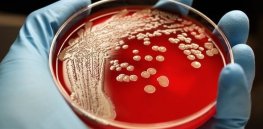
New superbug? Little-known sexually transmitted disease creates worry
A little known sexually transmitted infection could become the next superbug unless people become more vigilant, experts are warning. Mycoplasma ...

‘War of words’ over what to call lab-grown meat exposes divide in America’s food culture
On [July 12th], in a small but packed auditorium, the FDA convened a public meeting about lab-grown meat—but you wouldn’t ...

Challenging the story of our origin: Human traits had ‘patchwork emergence’ across Africa
The origins of our species have long been traced to east Africa, where the world’s oldest undisputed Homo sapiens fossils were discovered ...
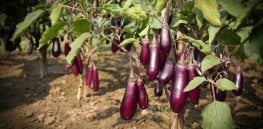
Despite anti-GMO ‘whispering,’ Bangladesh says ‘science-based information’ will guide its biotech policy
Bt eggplant, or brinjal as it’s known in Bangladesh, is the first genetically engineered food crop to be successfully introduced ...
