


Science Literacy Project Daily Digest
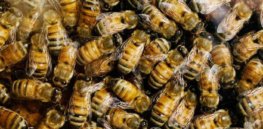
Herbicides and fungicides could be key factors in bee health problems, study finds
Honey bees might be drawn to the very chemicals that are endangering them, based on experiments in which they preferred ...

CAR-T gene therapy treatments may fall short of corrective goals, requiring surgical gene editing
For decades, researchers, some physicians, and a few patients have had visions of treatments that would go in and fix ...

Dog DNA could be man’s best friend: Clone of gene-edited dog aids human heart disease research
With his black, brown and white fur, Longlong looks like most beagles. But the puppy has been sick with a ...

Is President Trump pro-GMO?
“We are streamlining regulations that have blocked cutting-edge biotechnology, setting free our farmers to innovate, thrive, and to grow,” Trump told a ...

Breathe easy moms: Baby formula made from cow’s milk does not cause diabetes
A 15-year global study of children genetically predisposed to developing Type 1 diabetes found that drinking formula made with cow’s ...
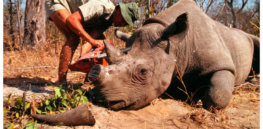
Battling rhino poachers with DNA evidence
In murder investigations, DNA evidence often helps to link a perpetrator to a crime scene and put him or her ...

How ‘good’ bacteria can boost crop yields without pesticides or GMOs
In 1988, a remarkable finding illuminated a new path that agricultural scientists would soon follow in their quest to maximise ...

Viewpoint: Preaching to the choir won’t win over GMO skeptics
Editor's note: Robert Arnason is an agriculture journalist. In 2017 I interviewed about 800 to 1,200 people about agriculture, agronomy, ...

Treating difficult brain and breast cancers with the help of viruses
New research published in Science Translational Medicine ... introduced a new potential treatment for some of the most difficult to treat cancers––brain and triple negative ...

After 60 years, best friends find out they’re biological half-brothers
Seventy-four-year-old Walter Macfarlane and 72-year-old Alan Robinson have been friends for more than 60 years. Born in Honolulu, they first ...

10 questions we should ask about teaching evolution
1. What do you think are the main factors that influence how effective a biology teacher is at teaching evolution? ...

Viewpoint: Are women instinctually attracted to dominant men?
[Anthropologist Richard Wrangham writes:] Women don’t like many specific acts of demonic males. But paradoxically, many women do regularly find ...

Study: Pesticide residue on food as risky as drinking one glass of wine—every 7 years
Relatively few studies are available on realistic cumulative risk assessments for dietary pesticide exposure. Despite available studies showing low risk, ...

Viewpoint: Most online personality tests are scientific quackery––except maybe this one
While most of the personality tests shared around the internet are, indeed, bogus procrastination devices, there is a science to ...
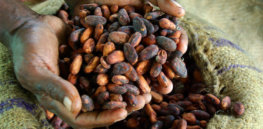
Fact check: Will climate change cause chocolate to go extinct in 40 years?
In the waning hours of 2017, like a politician holding inconvenient news for a Friday afternoon, Business Insider published a terrifying headline: ...
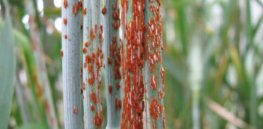
DNA testing could enable rapid response to damaging wheat stem rust
A global team led by researchers in Australia has achieved a dramatic breakthrough in dealing with stem rust, a fungal ...

How the media, government and Google talk about GMOs differently—and why it matters
Here, semantic network analysis is performed to characterize the presentation of the term “GMO (genetically modified organism),” a proxy for ...
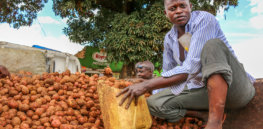
Blight-resistant GMO potatoes could reduce pesticide use in Uganda
Uganda is steadily progressing towards having a potato that will not require chemical spraying. ... According to Dr Alex Barekye, ...

Twin studies suggest our genes heavily influence how children ‘gaze’ and view interactions
The way children view both social and nonsocial situations may be determined at least in part by their genes, a ...

Will Canadians accept unlabeled genetically modified salmon?
Between April and June [2017], Canadians participated in an unprecedented experiment: supermarket shoppers bought about five tonnes of genetically engineered ...

Viewpoint: Why I avoid buying food with the Non-GMO Project label
Katie Pinke is the general manager/publisher of AgWeek I decided to visit the Non-GMO Project website and Twitter profile to ...
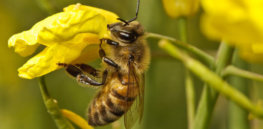
Despite 2014 EU ban, neonicotinoid insecticides still found in quarter of UK honey samples
Almost a quarter of British honey samples remain contaminated after a partial ban on neonicotinoid pesticides, new research has revealed ...

Herbicide-resistant ‘super weeds’? Don’t blame GMO crops, study says
Andrew Kniss is a professor of weed science at the University of Wyoming Genetically engineered (GE) herbicide-resistant crops have been ...

GMO peace treaty: Mark Lynas lays out 7 steps to stop the fighting
The following is part of a speech by environmental writer and activist Mark Lynas at the 2018 Oxford Farming Conference [W]hat ...

Can CRISPR gene editing save chocolate from extinction?
Beyond the glittery glass-and-sandstone walls of the University of California’s new biosciences building, rows of tiny green cacao seedlings in ...

Viewpoint: GMO debate’s name-calling, death threats and ‘anti-science’ rhetoric bad for agriculture
What has the world come to when people get death threats for expressing an opinion about agriculture? The toxicity of ...

Deep learning: Google wants to use retinal photos to predict blood pressure, age, smoking status
Eyes are said to be the window to the soul—but researchers at Google see them as indicators of a person’s ...
