


Genetic Literacy Project

Viewpoint: Existential ethics — Pondering the extinction of the global human population
Why would it be so bad if our species came to an end? It is a question that reveals our ...

Here’s how the GMO purple tomato soon to be in US grocery stores came to fruition
Norfolk Healthy Produce’s purple tomato first appeared in The New York Times Magazine eight months ago. Genetically engineered to naturally produce ...

Agriculture and climate change: Taking the best of all farming systems could tip the carbon scale in the right direction
Agriculture contributes a significant portion of the world's climate-changing greenhouse gases. In turn, changes in climate will reduce agricultural yields ...

Crops that tolerate droughts and climate change? Here’s how cactus genes could help
This past summer, a widespread drought across the United States lowered crop yields by as much as one-third as corn, ...

Viewpoint: People spread chemophobic drivel about ‘dangerous chemicals’ that science says are safe as used — then continue to drink alcohol
Thanks largely to the press and some radical environmental groups most people are terrified of chemicals because they can give ...

Why did Ellie in the Last of Us not succumb to Cordy, the zombie virus? Stem cells might explain it, and that could yield real-life vaccines
It’s unsettling to watch The Last of Us, in which parasitic fungi turn humanity into flesh-eating zombies, just as the ...

GLP podcast and video: ‘Clean’ cosmetics aren’t so clean; England embraces CRISPR crops; Gene-edited animals produce 30 percent more meat
So-called "clean" cosmetics have become a big business in recent years. But as with food fads like "Non-GMO," clean cosmetics ...

Why the European Union needs to grow genetically-engineered crops
The United States, Argentina, Brazil, Canada, Israel, Japan, and India are among the growing number of countries that have deregulated ...

Faith genes? Can DNA predispose us to religion and spirituality?
Do our genes predispose us to follow a religion? I searched Google Scholar for reports on the inheritance of religiosity ...

Could CRISPR be replaced by an AI-powered gene editing tool?
A new study has developed what the researchers call the "world's first" simple, modifiable proteins. Called "zinc fingers," these special ...

CRISPR gene doping: The next ‘big issue’ in world athletics
In 2020, the Polish developer CD Projekt Red launched Cyberpunk 2077, a video game that pulled players in to a ...

Top 10 anti-biotech propagandizers: Who are the science deniers and snake oil peddlers undermining science in agriculture and medicine?
Anti-science beliefs are proliferating, particularly on the biotechnology and genetics front, covering a range of issues from vaccine denialism to ...

French Academy of Agriculture scientist challenges government to ‘follow the science’ and revise its regulatory opposition to genetically edited crops
While a debate is in progress at the European level about the genetically edited products, it is time for the ...

Sweet genes: Why so many people are ‘practically programmed’ to love sugar
The sweetness of sugar is one of life’s great pleasures. People’s love for sweet is so visceral, food companies lure ...

Not out of the woods on COVID threats: Animal reservoirs of SARS-CoV-2 pose unknown risks to humans
The COVID-19 pandemic has been one of the most devastating events in public health in the U.S. over the last ...
GLP podcast: ‘Only 60 harvests left,’ debunked; Beating pesticide resistance; ‘Regulation through litigation’ threatens sustainable farming?
Have we so badly depleted the world's soil that we only have 60 harvests left? No. New "green" pesticides could ...

Viewpoint: Why health care based on race is so problematic
Choosing a medical treatment based on patient traits historically used to define races is fundamentally flawed, because race in the ...
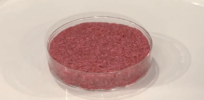
Lab-grown meat and other alternatives to farming could free up Earth’s farmland for conservation or development
Here’s the basic problem for conservation at a global level: food production, biodiversity and carbon storage in ecosystems are competing for ...

Ancient human DNA ethics: ‘Who gives consent for study participants long gone — and who should speak for them today?’
The 2022 Nobel Prize in physiology and medicine has brought fresh attention to paleogenomics, the sequencing of DNA of ancient ...
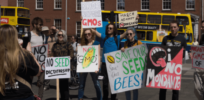
Viewpoint: How tort lawyers came to fund environmental activist fundamentalist attacks on science and agriculture
Since the period of stakeholder dialogue in the 1990s and early 2000s, environmental activists engaged in the policy process to ...

Organic v conventional using GMOs: Which is the more sustainable farming?
Many consumers spend more for organic food to avoid genetically modified products in part because they believe that “industrial agriculture” ...

Stretching human life span to 200 years? Implications of bowhead whale study
A major player in the anti-genetic engineering nutritional industry is behind longevity studies on whales, that might lead to the ...

Viewpoint: How Environmental—Social—Governance (ESG) screens can be manipulated to promote misleading science and damage sustainability efforts
While the Environmental, Social and Governance (ESG) investor point system has had a bit of a rough time over the ...

Viewpoint: No, your water bottle does not pose a danger to your health — Here’s how HuffPost misrepresents the science on safe plasticizers
We’ve often heard that economics is the “dismal science.” That phrase also seems like an apt description of claims used ...
GLP podcast and video: EWG’s ‘Dirty Dozen,’ debunked; On pesticides, trust experts, not ideologues; Ukraine war derails EU’s Farm-To-Fork proposal
It's the time of year when Environmental Working Group (EWG) puts out its much-ballyhooed "dirty dozen" list of fruits and ...

Viewpoint: Challenging myths — Organic farming fleeces consumers and does not significantly promote sustainability
As I discussed in Part 1, many Americans have begun to seek “authenticity” in many aspects of their lives. There’s ...

Scientists rebuke Environmental Working Group’s Dirty Dozen list of ‘pesticide-soaked’ vegetables and fruits
The safety and nutritional benefits of fruits and vegetables is verified by decades of science. Toxicology studies and analyses confirm ...

Humans are ill equipped to handle freezing cold — so why do so many of us live in chilly climates?
Humans are a tropical species. We have lived in warm climates for most of our evolutionary history, which might explain ...
