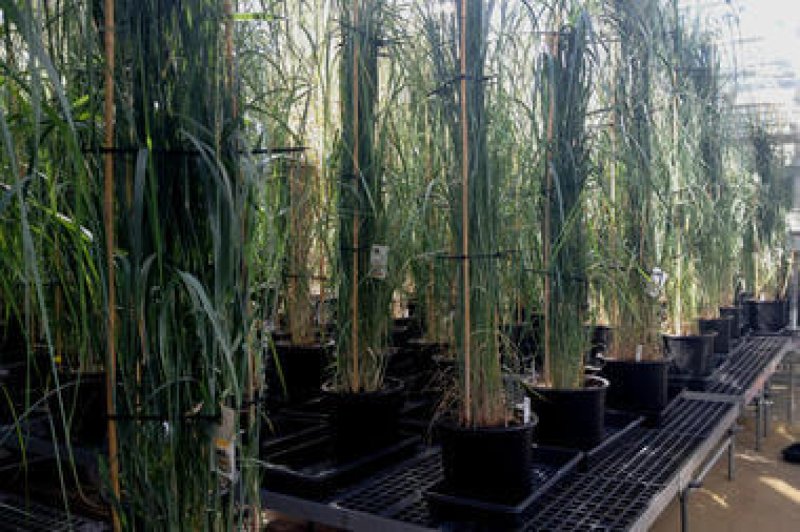
The greenhouse at Metabolix’s lab is full of grass. That would be unexciting, except that the 300 or so pots of switchgrass growing here have been genetically engineered to produce a kind of polymer used to make plastics.
Metabolix, a bioplastics company founded in 1992, is one of a small group of companies and universities pushing at a new frontier in bioplastics: the genetic engineering of crops to produce plastics materials. The efforts – unique in making bioplastics not from, but in, crops – put forward a solution to the longstanding problem of bioplastics: how to make the production costs of bioplastics as cheap as, or cheaper than, oil-based plastics.
Read the full, original story here: “What if plants could be plastic factories?”
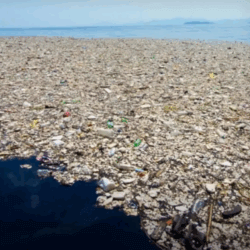 The EU passes landmark legislation to curb plastic nurdles threatening ocean ecosystems. It’s not enough. Genetically engineered bacteria could help
 Microplastics as a blueprint for health scares: How the “panic pipeline” of activists and academics partners with tort lawyers to manufacture chemical crises



Additional Resources: