Ethiopian enset: Can native plants be improved for economic viability?

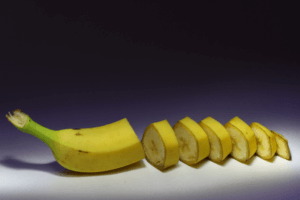
Ethiopians have cultivated enset—a cousin of the banana tree—for thousands of years, converting its stalk, roots and leaves into food, medicine, decoration and more.

For all of the merits of sturdy, indigenous crops like enset—and small, diverse farms in general—they are unlikely to raise subsistence farmers out of poverty, which fosters a slew of problems. “Enset is great if a farmer is relying on [their] own production for food, but ultimately you want people to grow their incomes, which means they need to produce something they can sell,” says Paul Dorosh, of the International Food Policy Research Institute.

Many maintain that classic Green Revolution strategies to increase productivity through high-yielding monocultures are the best solutions to food security. Yet agroecologists like Kippie are quick to point out less favorable results of the revolution, such as the loss of biodiversity, soil erosion and a spike in fossil fuels required to operate machinery.

If diversity is the key to small farmers’ survival: How can their native way of life be economically viable? Researchers suggest the solution is to better integrate native crops into the market—that way they could garner a profit on top of feeding families. That approach has been somewhat successful with another Ethiopian crop, the grain teff.
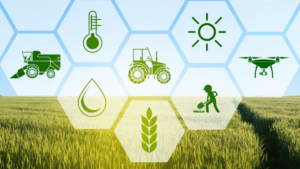
Another avenue of research focuses on how to improve the yield and robustness of native crops. Scientists with the International Institute of Tropical Agriculture, a research organization focused on hunger and poverty, are evaluating natural and genetically modified varieties of enset that would withstand a blight of enset and banana called bacterial wilt.

Tadesse Kippie, an agroecologist at Dilla University, offers non-tech solutions: greater access to indigenous crops.

Read full, original article: Solving Hunger in Ethiopia by Turning to Native Crops

{{ reviewsTotal }}{{ options.labels.singularReviewCountLabel }}
{{ reviewsTotal }}{{ options.labels.pluralReviewCountLabel }}
{{ options.labels.newReviewButton }}
{{ userData.canReview.message }}

Related Articles

Infographic: Global regulatory and health research agencies on whether glyphosate causes cancer

Infographic: Global regulatory and health research agencies on whether glyphosate causes cancer

Does glyphosate—the world's most heavily-used herbicide—pose serious harm to humans? Is it carcinogenic? Those issues are of both legal and ...

Most Popular

ChatGPT-Image-Mar-10-2026-01_39_01-PM
Viewpoint—“Miracle molecule” debunked: Why acemannan supplements don’t work
ChatGPT-Image-Jul-7-2026-01_57_55-PM
Viewpoint: Europe’s rejection of air conditioning is the poster child for misunderstanding how to mitigate the impact of climate change
ChatGPT-Image-Jul-1-2026-12_37_08-PM
Viewpoint: Trump poised to politicize all U.S.-supported science research
ChatGPT-Image-Jun-25-2026-12_23_17-PM
No, Bill Gates did not secretly engineer ticks to promote veganism
ChatGPT-Image-Jun-30-2026-10_27_31-AM
Viewpoint: Europe clears the way for gene-edited crops — but fear-driven restrictions still slow their full potential
ChatGPT-Image-Jul-1-2026-03_33_49-PM
‘Alternative’ cancer treatments that could kill you
ChatGPT-Image-Jul-7-2026-03_07_17-PM
Kennedy blocks preventive health care panel that reviews treatments for HIV, diabetes, and cancer from meeting — for fourth time
ChatGPT-Image-Jul-8-2026-12_32_48-PM
Viewpoint: SCOTUS strikes a blow against junk science in Bayer glyphosate case. Will it deter mass tort litigators?
Screenshot-2026-07-08-at-11.25.14-AM
AI being mobilized to target misinformation about vaccines–on AI
DtAieAIkCZy-uchn-oqg
Viewpoint: In the science misinformed grifter game plan, the organic-food-is-healthier myth might be the worst.
d a ca e c c beb x
Facts & Fallacies podcast: The 'woke' crusade against anthropology? Dr. Elizabeth Weiss
Screenshot-2026-07-08-at-2.14.27-PM
Belief in unproven dietary regimes, vitamins, and crank therapies is putting patients’ health in danger and increasing the risk of getting cancer
glp menu logo outlined

Get news on human & agricultural genetics and biotechnology delivered to your inbox.