When robots hallucinate: Google’s ‘dream up’ acid trip resembles human hallucinations

db d
From Google

The GLP aggregated and excerpted this blog/article to reflect the diversity of news, opinion and analysis. 

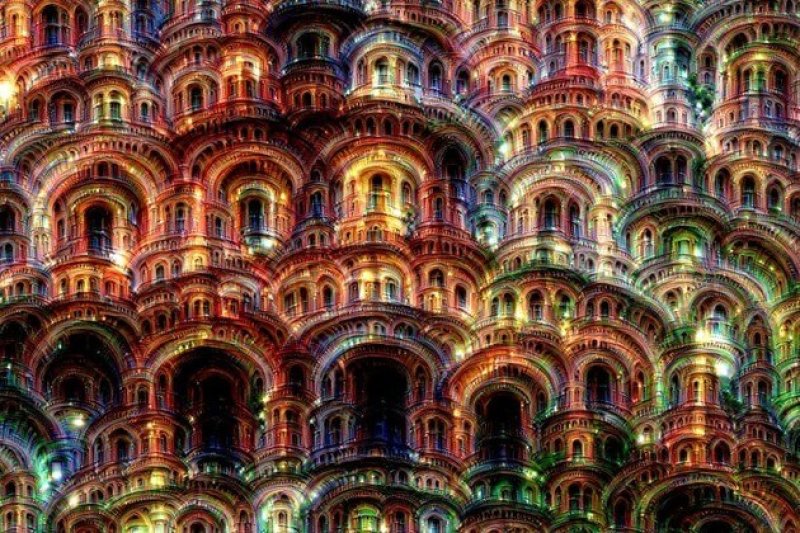
When a collection of artificial brains at Google began generating psychedelic images from otherwise ordinary photos, engineers compared what they saw to dreamscapes. They named their image-generation technique Inceptionism and called the code used to power it Deep Dream.

But many of the people who saw the images reacted the same way: These things didn’t come from a dream world. They came from an acid trip.

The computer-made images feature scrolls of color, swirling lines, stretched faces, floating eyeballs, and uneasy waves of shadow and light. The machines seemed to be hallucinating, and in a way that appeared uncannily human.

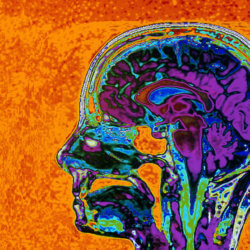
Those simple patterns, when enhanced by Deep Dream, end up looking distorted and otherworldly. But how they came to look that way still doesn’t answer the question raised by the kinds of images Google’s computers came up with: Why would a neural network dream up scenes that mirror the hallucinations people experience when they’re tripping on psychedelic drugs?

“An important thing to remember is that all normal sensory perception in humans is hallucinations constrained by sensory input,” said Lucas Sjulson, a research assistant professor at New York University’s Langone Neuroscience Institute. “So our hallucinations correspond to some degree to what’s actually in the outside world. But perceptions are all internally generated.”

Read full, original post: Why would a neural network dream up scenes that mirror the hallucinations people experience when they’re tripping?


Related Articles

Infographic: Global regulatory and health research agencies on whether glyphosate causes cancer

Infographic: Global regulatory and health research agencies on whether glyphosate causes cancer

Does glyphosate—the world's most heavily-used herbicide—pose serious harm to humans? Is it carcinogenic? Those issues are of both legal and ...

Most Popular

ChatGPT-Image-Mar-10-2026-01_39_01-PM
Viewpoint—“Miracle molecule” debunked: Why acemannan supplements don’t work
Screenshot-2026-09-17-at-1.07.08-PM
'We are dangerously addicted to antidepressants': Should we heed RFK Jr.’s sobering warning?
ChatGPT-Image-Sep-2-2026-02_03_32-PM
How much of a problem is AI’s water use?
Screenshot-2026-09-16-at-2.26.42-PM
Viewpoint: How to ecologically damage America’s forests: Ban glyphosate
Screenshot-2026-09-17-at-12.00.30-PM
Investigative group ProPublica finds links between ectopic pregnancy deaths and abortion bans
Screenshot-2026-09-16-at-3.14.20-PM
19%: Plunging support for Trump-RFK, Jr. measles vaccine safety oversight
Screenshot-2026-08-19-at-6.19.42-PM
Facts & Fallacies podcast: 'Regenerative farming'? RFK Jr.’s federal push romanticizes the past and risks food security
Screenshot-2026-09-10-at-12.20.19-PM
'Jet fuel didn't melt the steel': 9/11 conspiracy theories debunked
Screenshot-2026-09-20-at-9.03.54-AM
From Malaysia to the world: A pioneering science communicator reimagines global science communication for a digital age
ChatGPT-Image-Sep-22-2026-10_32_46-AM
There has been a slew of recent reports of food recalls and foodborne outbreaks. Do we face an escalating problem?
glp menu logo outlined

Get news on human & agricultural genetics and biotechnology delivered to your inbox.