How selfies could help diagnose the rare genetic disease DiGeorge syndrome

Screen Shot at AM

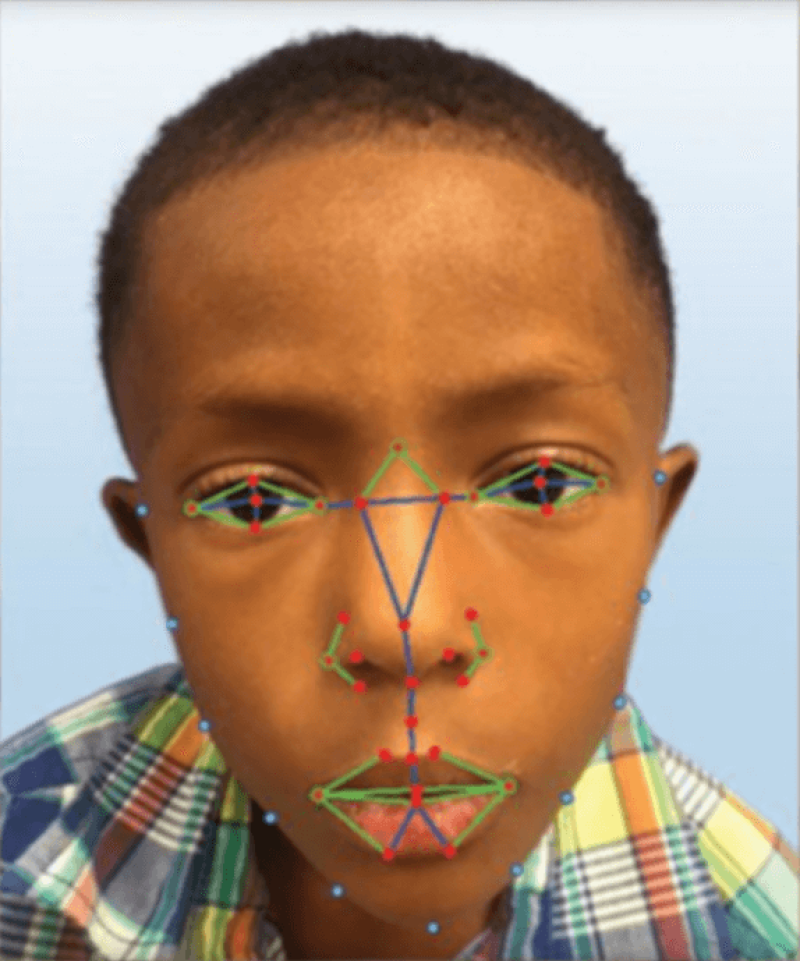
1010Researchers with the National Institutes of Health’s National Human Genome Research Institute (NHGRI) successfully used facial recognition software similar to that found in airports and on Facebook to diagnose a rare genetic disease called 22q11.2 deletion syndrome using photos alone.

The disease, also known as known as DiGeorge syndrome, can be difficult to diagnose in diverse populations since it leads to multiple defects, including heart problems, hearing loss, a cleft palate and other distinctive facial features. Yet early intervention can be critical to getting patients the right care.

“Human malformation syndromes appear different in different parts of the world,” Dr. Paul Kruszka, a geneticist in NHGRI’s Medical Genetics Branch, said in a statement. “Even experienced clinicians have difficulty diagnosing genetic syndromes in non-European populations.”

Doctors in 11 countries submitted 101 photos for use in the study, published last week in the American Journal of Medical Genetics. The researchers then used facial analysis technology to compare a group of 156 Caucasians, Africans, Asians and Latin Americans suffering from the disease with people who don’t have it.
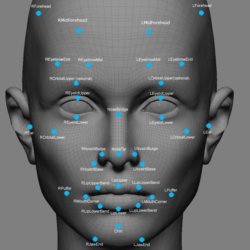

Based on 126 individual facial features, they correctly diagnosed all ethnic groups 96.6 percent of the time, the researchers say.

The GLP aggregated and excerpted this blog/article to reflect the diversity of news, opinion, and analysis. Read full, original post: Selfies – yes, selfies – could help diagnose rare genetic disease

For more background on the Genetic Literacy Project, read GLP on Wikipedia

Related Articles

Infographic: Global regulatory and health research agencies on whether glyphosate causes cancer

Infographic: Global regulatory and health research agencies on whether glyphosate causes cancer

Does glyphosate—the world's most heavily-used herbicide—pose serious harm to humans? Is it carcinogenic? Those issues are of both legal and ...

Most Popular

ChatGPT-Image-Mar-10-2026-01_39_01-PM
Viewpoint—“Miracle molecule” debunked: Why acemannan supplements don’t work
ChatGPT-Image-Sep-29-2026-12_16_42-PM
Social media influencers are driving food misinformation across Europe
ChatGPT-Image-Sep-30-2026-01_11_07-PM
How U.S. teamed with Russia to block global human AI weapons oversight
ChatGPT-Image-Sep-21-2026-03_15_09-PM
Viewpoint: Chipotle-inspired lesson: 10,000 sick customers suggest that processed foods can be safer than fresh ones
Screenshot-2026-09-29-at-11.06.43-AM
Astrology, homeopathy, vaccine rejectionism, creationism: Why pseudoscience thrives as science advances
ChatGPT-Image-Sep-23-2026-02_36_39-PM
Viewpoint: After firing the entire National Science Board, Trump reshapes funding initiatives. Here’s the good and the bad.
generated-1790707585414
Facts & Fallacies podcast: America's health care system is broken. A doctor explains how to fix it
Screenshot-2026-09-28-at-1.16.38-PM
Defying public perceptions, U.S. cancer deaths plunged 35% since 1991
Screenshot-2026-09-17-at-1.07.08-PM
'We are dangerously addicted to antidepressants': Should we heed RFK Jr.’s sobering warning?
ChatGPT-Image-Jun-18-2026-04_15_29-PM
Viewpoint: Kennedy’s ‘bad science’: MAGA embrace bolsters HHS secretary’s influence and popularity
ChatGPT-Image-Sep-2-2026-02_03_32-PM
How much of a problem is AI’s water use?
Screenshot-2026-09-16-at-10.27.33-AM
Viewpoint: SCOTUS poised to address First Amendment tension between mandatory vaccines, children’s health and religious freedom 
glp menu logo outlined

Get news on human & agricultural genetics and biotechnology delivered to your inbox.