De-extinction: How far should humans go in resurrecting lost species?

e

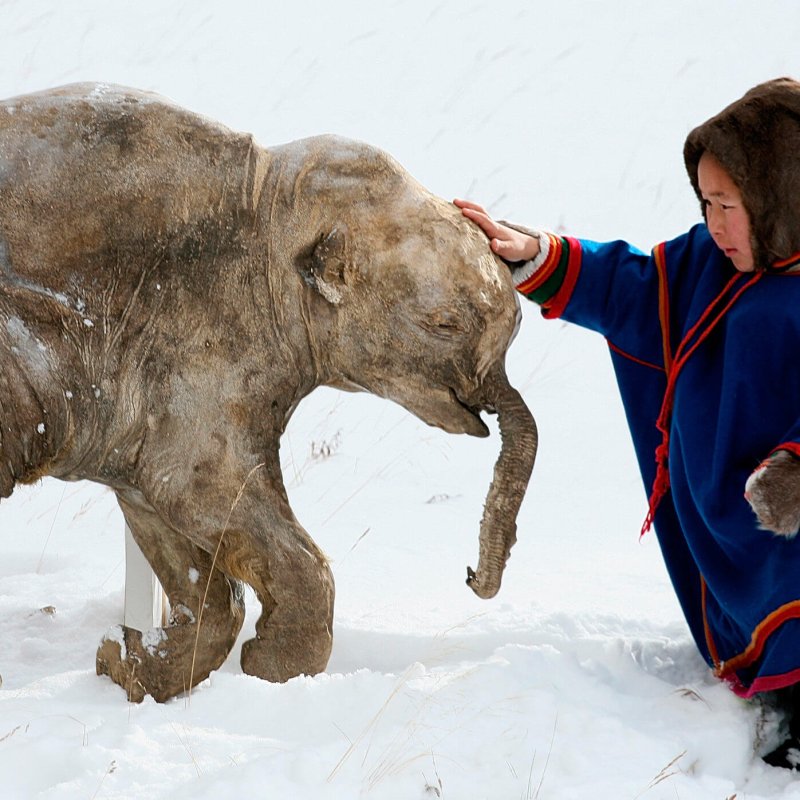
The science of resurrecting lost species takes many forms, but collectively it has become known as “de-extinction.” According to advocates like Stewart Brand, de-extinction could soon result in the return of the passenger pigeon to the skies of North America or the woolly mammoth to the forests of Eastern Siberia.

[T]he idea of genetically changing organisms, in the process maybe basically creating new species, does raise an important question about how far we humans should be going in bending the natural world to suit our needs and preferences.

[D]e-extinction is no solution for the extinction crisis. It is too hard to do, and most of the few “successes” would be so limited that they wouldn’t deserve the term “de-extinction.” If you were trying for a wooly mammoth, all you’d be likely to get is a hairy, cold-tolerant Asian elephant. […] And just as a conceptual matter, a species is not something that can be “brought back” or “resurrected,” as some proponents like to say. A species is a lineage of organisms, and once that lineage ends, the species is gone. Period. Even if we created something totally identical to the original mammoth, it would be a human creation, not a “resurrection” of the extinct species.

The GLP aggregated and excerpted this blog/article to reflect the diversity of news, opinion, and analysis. Read full, original post: Digging Deep into De-Extinction

{{ reviewsTotal }}{{ options.labels.singularReviewCountLabel }}
{{ reviewsTotal }}{{ options.labels.pluralReviewCountLabel }}
{{ options.labels.noReviewsLabel }}
{{ options.labels.newReviewButton }}
{{ userData.canReview.message }}

Related Articles

Infographic: Global regulatory and health research agencies on whether glyphosate causes cancer

Infographic: Global regulatory and health research agencies on whether glyphosate causes cancer

Does glyphosate—the world's most heavily-used herbicide—pose serious harm to humans? Is it carcinogenic? Those issues are of both legal and ...

Most Popular

ChatGPT-Image-Mar-10-2026-01_39_01-PM
Viewpoint—“Miracle molecule” debunked: Why acemannan supplements don’t work
ChatGPT-Image-Jun-25-2026-02_53_56-PM
Embryo gene editing is on the horizon, stirring mixed emotions
Screenshot-2026-07-01-at-2.49.48-PM
Dr. TikTok and male fertility: Viral claims tout GLP-1 drugs as fertility boosters. What does the science say?
ChatGPT-Image-Jul-6-2026-02_25_26-PM
40 million Americans take glucosamine. If you have memory loss, it could accelerate cognitive decline.
a-mature-farmer-working-in-the-field-at-sunrise-harvesting-crops-generated-by-ai-photo
What’s the prospect of developing gene-altered crops that are more nutritious and resist climate disruption
png-upside-food-syn-bio-cultured-meat
Regulating cultured meat around the world
Screenshot-2026-07-21-at-6.22.06-PM
The Indian physician’s one-woman battle against health disinformation on Wikipedia

reverse-aging
Rapamycin: Here’s the skinny on the anti-aging pill that increases the lifespan—of mice by 10%
YearReview Grift
Viewpoint: A practical guide to evaluating social media wellness hype
file-f-d-d-
Facts & Fallacies Podcast: Europe's AC debacle underscores fatal flaw in green activism
organic scaled
Facts & Fallacies podcast: Organic food cuts pesticide exposure? A response to Dr. Rhonda Patrick
ChatGPT-Image-Jun-25-2026-12_23_17-PM
No, Bill Gates did not secretly engineer ticks to promote veganism
glp menu logo outlined

Get news on human & agricultural genetics and biotechnology delivered to your inbox.