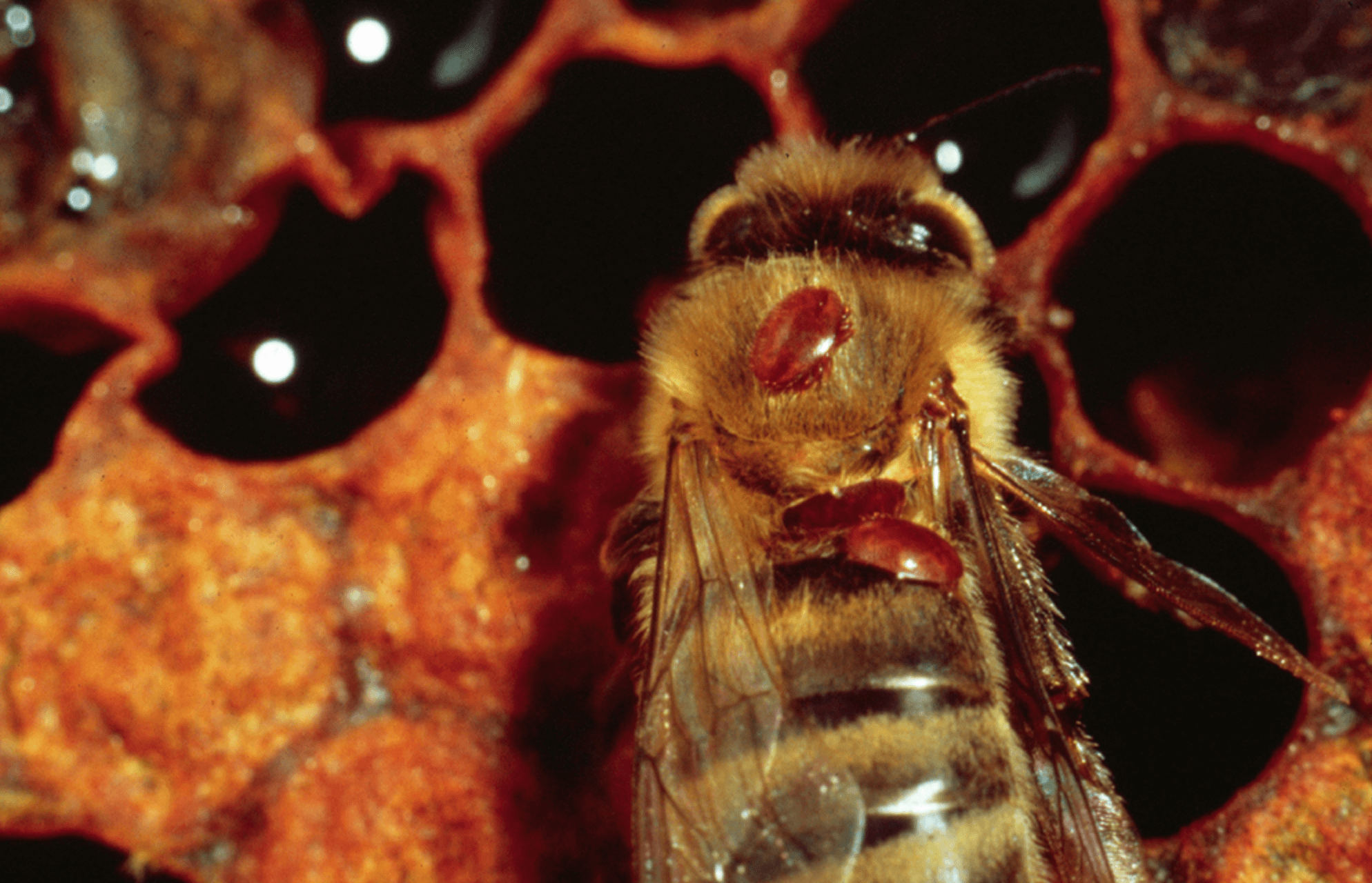
Swiss bee expert: Varroa mites—not neonicotinoid insecticides—primary threat to honeybees

Screen Shot at AM
[Jean-Daniel] Charrière oversees bee research at the Swiss government’s agriculture institute, Agroscope.

Currently, there is a big focus among scientists, activists and politicians on the link between neonicotinoids and the decline of the bee. Are they the main cause?

Charrière: I think it’s important to be worried about neonicotinoids. But I think the amount of space given to them is disproportionate. We talk a great deal about pesticides as one of the causes of the winter losses, but there is no proof that they are one of the main causes.

For the honey bee, the primary cause of death is the varroa mite and viruses transported by it. Lots of studies confirm this. Systematically, they show that the presence of varroa is critical to determining whether they survive winter.

I think it’s very important to carry out studies into neonicotinoids but the quantity of studies being published is exaggerated right now. I don’t think this situation corresponds to the reality on the ground. We know that varroa is the main cause of bee deaths and the solution to treat the parasite is not optimal. We need to invest lots of money in finding a solution.

Right now, it’s easier to find funds for projects on neonicotinoids rather than varroa, which might take 6-7 years and are not guaranteed success.

The GLP aggregated and excerpted this article to reflect the diversity of news, opinion and analysis. Read full, original post: Swiss bee expert laments exaggerated focus on insecticides

Viewpoint: Anti-biotech groups’ master plan substitutes ‘citizen science’ for data in quest to get glyphosate banned

glyph

This week we celebrate a hollow victory. The European Union renewed its authorisation of glyphosate for five years. The science was clearer than clear – the herbicide is one of the safest substances on the market. All but one research or regulatory agency gave glyphosate an unequivocal approval (and that one, IARC, was seriously conflicted and corrupted). For 40 years farmers have relied on glyphosate (off-patent, inexpensive and effective), giving them the means now to develop sustainable farming with no-till and complex cover cropping. Glyphosate is indeed the herbicide of the century and the very thought of banning it seems absurd.

So why couldn’t the European Commission renew glyphosate for 15 years as originally planned? As the science was clear, then the regulatory risk assessment process should have been simple. But it was never about the science, facts or data. It was never about the benefits to farmers, the environment and consumers. It was about something much larger.

The European Commission was dragged through regulatory hell for 30 months on this dossier for many reasons and it had better clean up its process. While glyphosate may have been a regulatory watershed, it has become a benchmark for the zealots to push harder on the coming policy dossiers. The Commission survived this Age of Stupid exercise, just barely, but the activists have a larger strategy in place and this process has pushed them closer to their goal.

What did the zealots really want?

Destroy the EU regulatory risk assessment process
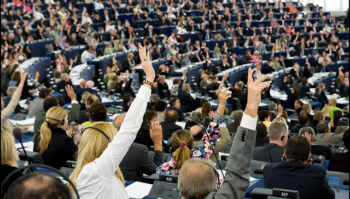
EU xThe EU regulatory risk assessment process is meant to be evidence-based. It relies on a gathering of all available research data and scientific advice to allow for a clear decision based on science (usually via committees). Where data is insufficient, the industries involved with the substance or technology need to provide or produce further data. If a new drone technology is developed, for example, in order for the manufacturers to put the product on the market, they would need to provide the relevant European Commission research agency with the required data to properly advise the European Commission on how to manage the risks. If there is insufficient data or the evidence is questionable, the risk assessment agency may reject the authorisation and advise for precaution.

In the case of the risk assessment process for chemicals and pesticides, producers need to regularly provide data and produce evidence to keep existing substances on the market and mountains of research (in many cases, over 10,000 pages of data requirements) to register new substances. The burden of proof is on companies to prove that the product is safe. Industry follows GLP – good laboratory practice – a series of quality practices to ensure that all research is reproducible, consistent and uniform. The role of the regulator is to ensure the data provided is correct, consistent and without data gaps. The research cost burden is put on industry – in most cases they have the best scientists and the most advanced technology – as they stand to benefit from the introduction of their innovations.

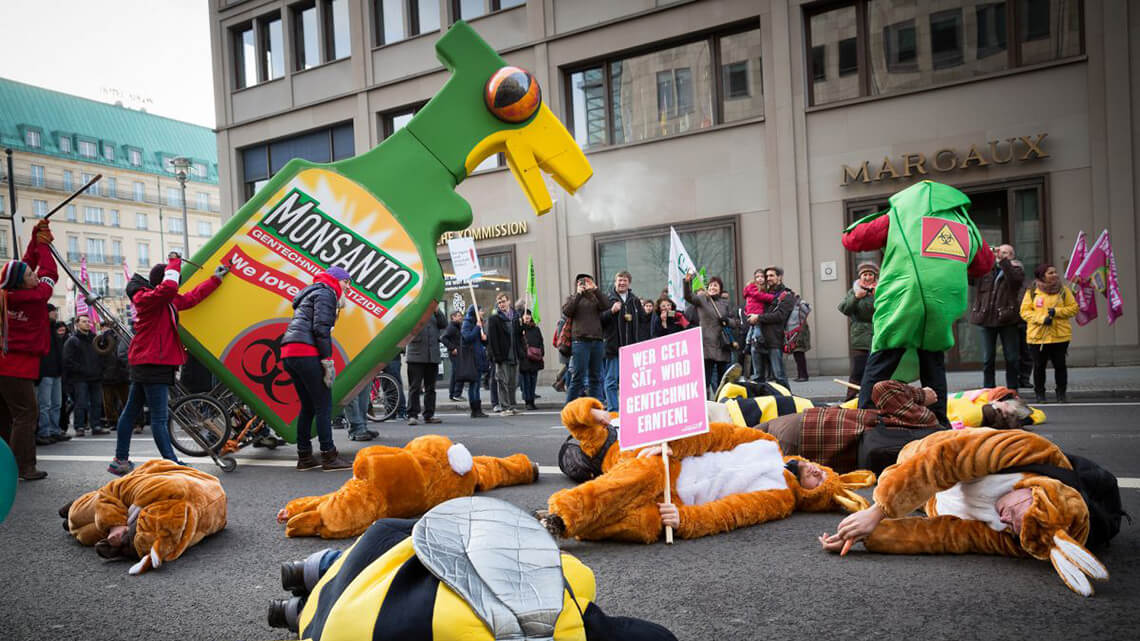
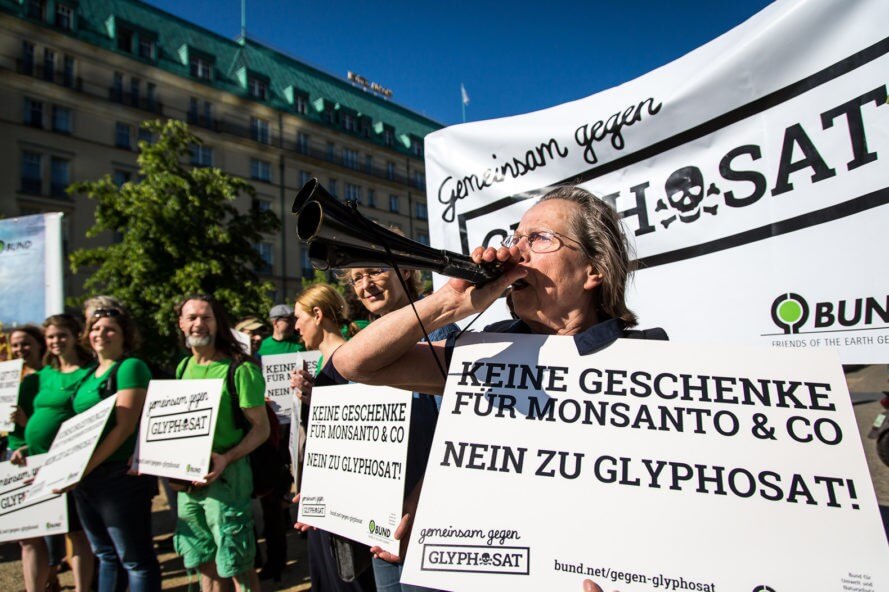
With glyphosate, the activists claim that the forty years of data provided by industry and the 3300 studies could not be trusted, quite simply because there was one company involved, Monsanto, which has become the source of their irrational rage. In the Age of Stupid, that seemed to be enough to want to scrap the entire European risk assessment system. I can’t believe, in an intelligence-based society, I actually wrote this paragraph.

portier

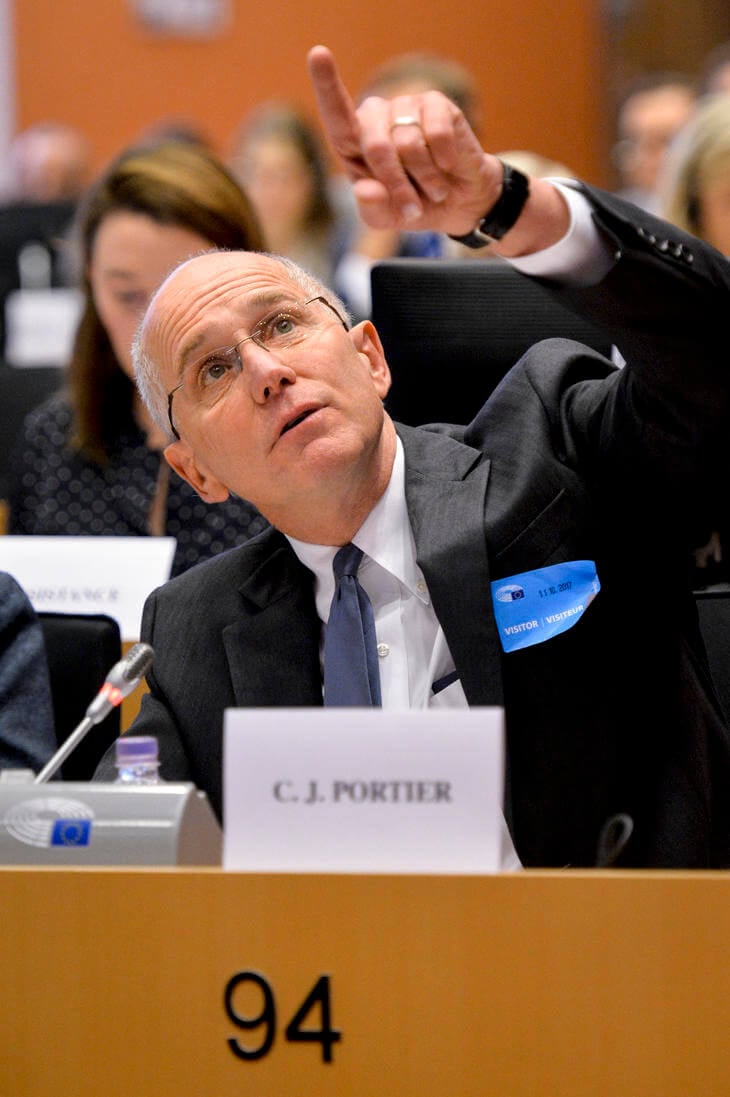
This absolutely ridiculous argument has been propagated by anti-industry opportunists like Martin Pigeon, Marie-Monique Robin and Carey Gillam who all share an unhealthy obsession against Monsanto. What’s outrageous is that the scientist Pigeon and Gillam cooperated with, Christopher Portier, was secretly being paid by law firms who would profit nicely from lawsuits against Monsanto should this triad of trepidation succeed in trashing the European risk assessment process. That they knew about the conflicting interests of the law firms to create doubt and anti-Monsanto sentiment, and continued to work with these non-transparent predatory lawyers, speaks volumes about their lack of moral character.

If they had succeeded in destroying the EU regulatory risk assessment process, what would these zealots have proposed instead?

Institutionalize a citizen-science risk assessment process

Activists like Pigeon call for the present risk assessment process to be reformed by excluding all industry research. This is in line with IARC’s monograph policy that pretends to reject considering non-published data, but this irrational distrust of industry creates severe limits on data and evidence. How would this lack of expertise be addressed?

I hear groups like CEO, PAN and Friends of the Earth often talking about expanding publicly-funded research. This is naive since the taxpayer should not have to pay for the costs to guarantee their safety. So I then hear claims that industry should pay the regulatory agencies to conduct the research. Of course if industry is paying for the punch-bowl, they should have a say on which scientists should be involved in these studies. Well, that’s where we are now and I suspect Saint Martin would have a hard time accepting that.

What these eco-fundamentalist groups want, ultimately, is an increased role for citizen science (crowd-sourced or community-led science). While there is nothing wrong with the public being involved in the scientific process, having citizens and non-experts leading the research is somewhat troubling to those wanting evidence-based policy decisions. Citizen science is what Jackie McGlade, the disgraced former head of the European Environment Agency, now the chief scientist (???) at UNEP, is arguing for. But what is citizen science about?

Smartphone technology may allow apps for amateur bird watchers to better record sightings but such cases of citizen science is random and anecdotal … hardly the quality to base responsible regulations on given the calibre of today’s research technology. There is no “good laboratory practice” with volunteers of amateur activists testing water or crowd-sourcing data and samples for groups subject to bias and crowd-led campaigns.

Citizen science assumes the rejection of the superior knowledge of the expert. They feel experts are biased either by funding or a post-modern dependence on some paradigm which may not be certain (and thus not valid). So for these new-age enlightened campaigners, the expert’s contribution to such debates is not worth very much. When you hear people moaning about today’s decision to renew glyphosate, many of them are saying this was undemocratic, and the people, the citizens, want the herbicide banned. So in a democracy, the people know more than the toxicologists, chemists, plant-biologists and agronomists on the safety of glyphosate.

This is literally insane! Would we reject the pilot or the aviation mechanic and trust a randomly chosen volunteer to fly my airplane simply because he or she has no affiliation with an airline? Would we let a democratically-selected activist operate on my liver? Yet environmentalists and naturopaths are demanding the citizens’ voice take the lead on agriculture, food production and pharmaceutical decisions. How did they get so jaded?

Indeed, even the leading scientist for the anti-glyphosate “people’s movement”, Christopher Portier, a statistician, admitted he knew nothing about glyphosate before attending the IARC expert panel that started this whole sordid affair. Who needs experts today when everyone has PhDs from Google University? Chris could figure out how to link glyphosate to cancer during that week in Lyon, and spend the next two years being the activists’ darling in the campaign to screw Monsanto, science, farmers and consumers. And hey Chris, the money was good!

So in the zealots’ warped world, citizen science, as the base of a new European regulatory risk assessment process, will see activist campaigners heading EU advisory panels with a select group of organic hobby farmers randomly counting bees or earthworms while industry research is excluded and university toxicologists and plant biologists sidelined. This is pure madness. The activists’ objective is to ban all agri-technology so they really don’t care about the consequences. Only in the Age of Stupid.

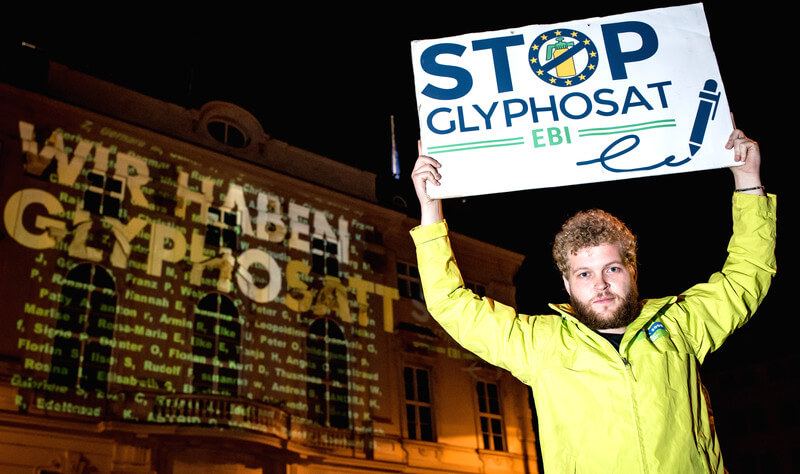
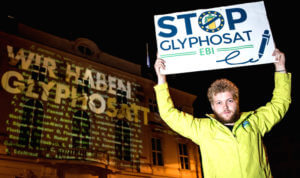
With glyphosate, despite the obvious evidence of the experts, despite the environmental benefits, despite the overwhelming value to farmers compared to alternatives, these activist zealots came within a hair’s breadth of achieving their goal to discredit research and undermine the European risk assessment process. They used relentless social media fear campaigns, victim-mongering, personal bully attacks on scientists and science communicators, open fabrication, innuendo and deception. And these little liars will do it again and again until they achieve this goal.
stop

A perfect storm of interests

Clearly the activists had the perfect storm with glyphosate. So many other interests collided over the last two years, with new trans-Atlantic partnerships of vile opportunists and silos of slime forming into armies of intolerance, including:

  • Anti-GMO American carpetbaggers salivating at removing the chief motivation for farmers to benefit from Roundup-Ready maize and soy by manipulating the European precautionary handicap.
  • American class-action lawyers seeking to exploit the EU’s hazard-based regulatory approach to create a confusion over the safety of public health exposure to profit from lawsuits against industry.
  • Anti-industry activist groups from both sides of the Atlantic have united flush with funds from the burgeoning organic food industry lobby seeking to incapacitate conventional farming and create market-friendly conditions for their unsustainable agricultural production process.
  • An alarming scientific ignorance at the heart of the European Commission. Many of the activist groups involved in pushing their anti-evidence agenda were involved in removing the post of EU Chief Scientific Adviser just three years ago.
  • Agroecologists have been pining to return Europe to a pre-industrial Malthusian paradise, and banning the use of agri-technology was their first important step. Having their lunatics in charge of the European risk assessment process would have been the icing on the cake! Not just yet.

These zealots will live to fight again, stronger, emboldened and convinced of their righteousness. The present European Commission will be unable to resist their next wave of emotional manipulation and deliberate deception.

This week I will be in Germany to speak at a conference on endocrine disrupting chemicals. There will be zealots in the room. I do not plan to hold back any punches.

The battle continues.

David Zarukthe Risk-Mongerhas been an EU risk and science communications specialist since 2000, active in EU policy events from REACH and SCALE to the Pesticides Directive. Follow him on twitter @zaruk

This article was originally published on The Risk-Monger as Glyphosate: What the Zealots Really Wanted and has been republished here with permission.

Dolly the sheep revisited: Early health fears about clones ‘greatly exaggerated’

RTXHNQC

[L]ast year, Kevin Sinclair, a developmental biologist at the University of Nottingham, published a paper about several clones including Dolly’s four “sisters,” who were created from the same cell line as Dolly and lived to the old age of eight (about 70 in human years). They were quite healthy for their age.

[A]fter her death in 2003, Dolly’s bones were turned over to the National Museum of Scotland. Sinclair’s team got permission to study them—along with the bones of Megan and Morag, two sheep cloned from non-adult cells who were prototypes for Dolly, and Dolly’s naturally conceived daughter Bonnie.

A team of veterinarians scored X-rays of the bones for signs of arthritis. Megan and Bonnie, who had died at the ripe old ages of 13 and nine, respectively, did indeed have signs of arthritis, which was normal for their age. Megan, who had died at age four in an earlier outbreak of same lung virus that killed Dolly, did not. Even Dolly’s knee did not show signs of arthritis.

[T]he overall set of data from Megan, Morag, and Bonnie as well as Dolly’s elderly sister clones suggest arthritis is no more common among clones than ordinary sheep. Fears about prematurely aging clones may be greatly exaggerated.

The GLP aggregated and excerpted this article to reflect the diversity of news, opinion and analysis. Read full, original post: The Truth About Dolly the Cloned Sheep

Viewpoint: Anti-GMO movement perpetuates sexism, food insecurity

grandma pie e

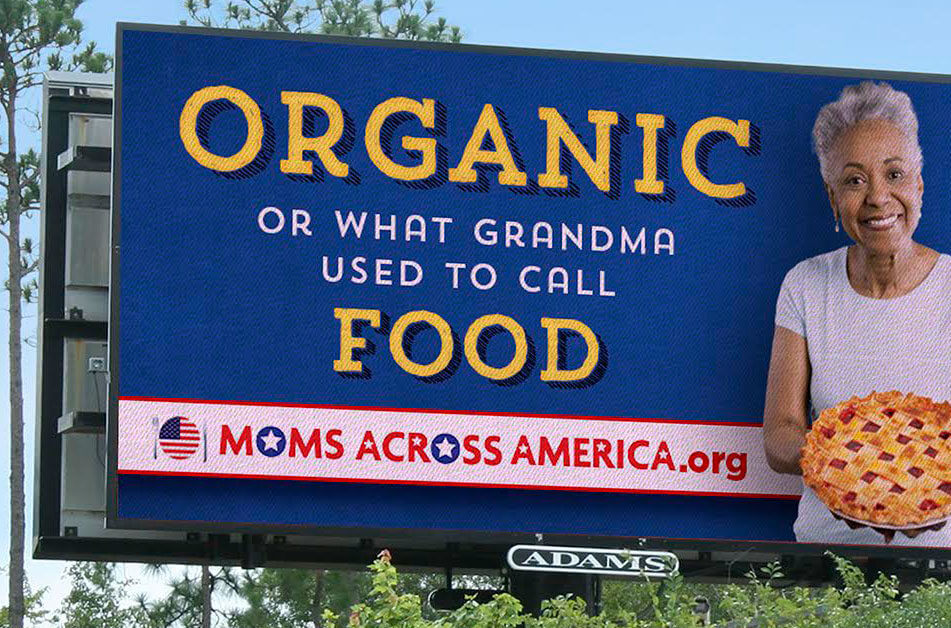
An acronym that conjures specters like pesticides, cancer, obesity, the transformation of life forms into intellectual property, and corporate control of food and politics, GMO has become a metaphor for perceived and real flaws in our food system. … [T]he movement against so-called GMOs helps perpetuate injustice, from sexism to food insecurity.

A bacterial disease, BXW affects all banana cultivars and is considered one of the greatest threats to banana productivity and food security in Uganda and eastern Africa, where the fruit is a staple crop. There are genetically engineered plants with a pepper gene with strong resistance to banana wilt and, until recently, they languished behind a guarded fence, prohibited from reaching farmers. The only reason for this plant purgatory is ideology.

The anti-GMO movement consistently claims that genetic engineering is harmful to women and children, saying explicitly or implicitly that these foods affect fertility, breastmilk, and other aspects of women’s health. With slogans like “keep GMOs out of your genes” accompanied by imagery of a topless denim-clad young woman, and explicit comparisons of genetic engineering to rape, anti-GMO groups and their leaders frame genetic engineering as a violation of female virtue, surely a slap in the faces of sexual assault victims.

The GLP aggregated and excerpted this article to reflect the diversity of news, opinion and analysis. Read full, original post: The Anti-GMO Movement Has A Social Justice Problem

EU renews glyphosate herbicide license for 5 years, ending ‘heated debate’

Screen Shot at AM

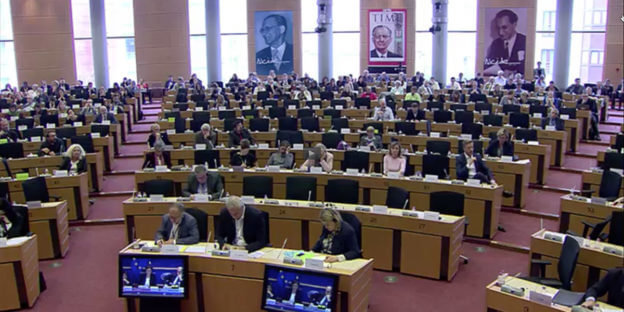
EU countries approved on Monday [Nov. 27] the use of weed-killer glyphosate for the next five years after a heated debate over whether it causes cancer.

Diplomats said Germany swung the vote, coming off the fence after abstaining in previous meetings to oppose its key EU partner France, which wanted a shorter license extension.

The European Commission said in a statement that 18 countries had backed its proposal to renew the chemical’s license, with nine voting against and one abstaining, declaring this to be a “positive opinion”.

Europe has been wrestling for the past two years over what to do with the chemical, a key ingredient in Monsanto’s top-selling Roundup, whose license was set to expire on Dec. 15.

In theory, the Commission could have pushed through a license extension, but it said it wanted governments to make the call on an issue that has become so politically charged. After a series of indecisive votes, they finally produced a clear majority in favor of the Commission’s proposal.

“Today’s vote shows that when we all want to, we are able to share and accept our collective responsibility in decision making,” said health and food safety commissioner Vytenis Andriukaitis.

The GLP aggregated and excerpted this article to reflect the diversity of news, opinion and analysis. Read full, original post: EU backs five-year extension for weed-killer glyphosate

Spy plants? DARPA working on genetically engineered surveillance sensors

Screen Shot at AM

The Defense Advanced Research Projects Agency (DARPA), the think-tank that’s under the U.S. Department of Defense, recently announced that it’s working on a new project that could change how pertinent information is gathered on the battlefield. The project, dubbed the Advanced Plant Technologies (APT) program, examines the possibility of turning plants into next-generation surveillance technology.

“The program will pursue technologies to engineer robust, plant-based sensors that are self-sustaining in their environment and can be remotely monitored using existing hardware,” the agency said in a press announcement. The APT’s goal is to boost the natural stimulus-response mechanisms in plants to “detect the presence of certain chemicals, pathogens, radiation, and even electromagnetic signals.”

Using gene editing techniques that have already proven effective in plants, DARPA hopes to make these plant-based sensors susceptible to these stimuli without harming their ability to grow and thrive. However, the plan to mutate the plants “far beyond current practice,” modifying multiple complex pathways to trigger “discreet response mechanisms” upon detection of such stimuli.

APT Graphic

The GLP aggregated and excerpted this article to reflect the diversity of news, opinion and analysis. Read full, original post: DARPA Wants to Use Genetic Modification to Turn Plants into Spy Tech

Nano-mapping DNA mutations with CRISPR could transform disease treatment

BAT e

A team of scientists led by Virginia Commonwealth University physicist Jason Reed, Ph.D., have developed new nanomapping technology that could transform the way disease-causing genetic mutations are diagnosed and discovered. Described in a study published…in the journal Nature Communications, this novel approach uses high-speed atomic force microscopy (AFM) combined with a CRISPR-based chemical barcoding technique to map DNA nearly as accurately as DNA sequencing while processing large sections of the genome at a much faster rate. What’s more–the technology can be powered by parts found in your run-of-the-mill DVD player.

Increasing the speed of AFM was just one hurdle Reed and his colleagues had to overcome. In order to actually identify genetic mutations in DNA, they had to develop a way to place markers or labels on the surface of the DNA molecules so they could recognize patterns and irregularities. An ingenious chemical barcoding solution was developed using a form of CRISPR technology.

While there are many potential uses for this technology, Reed and his team are focusing on medical applications. They are currently developing software based on existing algorithms that can analyze patterns in sections of DNA up to and over a million base pairs in size.

[Editor’s note: Read the full study]

The GLP aggregated and excerpted this blog/article to reflect the diversity of news, opinion, and analysis. Read full, original post: Revolutionary Imaging Technique Uses CRISPR To Map DNA Mutations

Video: Former Agriculture Secretary Tom Vilsack on ‘troubling trend’ of misleading food labels

Vilsack Visit x

There’s been a lot of talk about the mandatory GMO disclosure law passed by the US Congress in 2016.

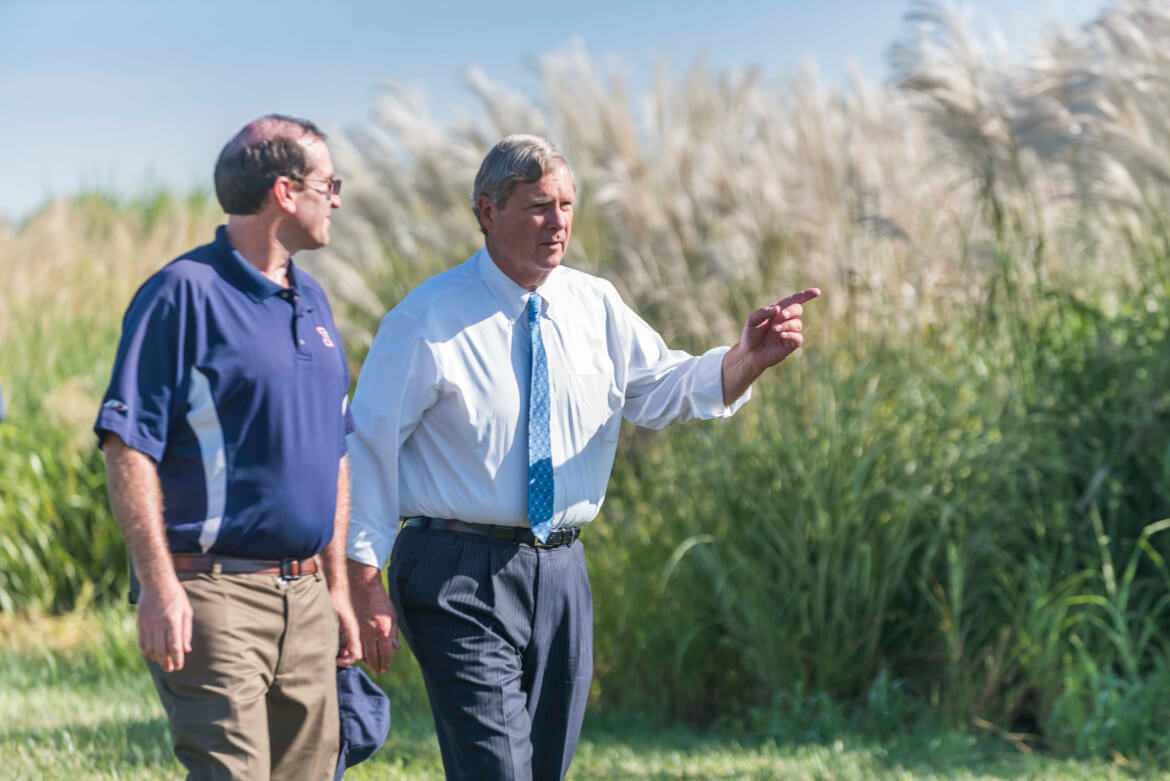
The latest clip in our interview with former US Secretary of Agriculture Tom Vilsack addresses the motivation behind the law and how it will affect consumers.

He discusses the need for “self-policing” in the marketplace, highlighting the prevalence of labels that incorrectly suggest the product is healthier or safer because it doesn’t contain certain foods or ingredients.

The GLP aggregated and excerpted this article to reflect the diversity of news, opinion and analysis. Read full, original post: A conversation with Tom Vilsack, Pt 3: GMO disclosure law

How gene therapy could help fight methamphetamine addiction

e aafa efa b a e

Gene therapy, which modifies a person’s DNA, has long been thought of as a way to treat genetic diseases—and, more recently, cancer. But a team at the University of Arkansas for Medical Sciences thinks it can use this same idea to treat addiction by counteracting the high that methamphetamine produces.

Eric Peterson, associate professor of pharmacology and toxicology, and his colleagues have packaged a gene that codes for an anti-meth antibody into an engineered virus. When injected, the therapy makes the body generate antibodies against meth. The antibodies bind to and trap methamphetamine molecules that are circulating in the bloodstream, preventing them from traveling to the brain and triggering pleasurable feelings. In mice, researchers showed that the therapy lasted for over eight months, reducing the amount of meth in the brain and the stimulant effects caused by the drug.

The hope, [researcher Eric] Peterson says, is that a drug based on the approach could be used with behavior therapies to treat people addicted to meth.

There’s also the potential that people who have received the gene therapy could take more meth to try to feel the high they used to get. That is something researchers running a future clinical trial would have to keep in mind.

The GLP aggregated and excerpted this blog/article to reflect the diversity of news, opinion, and analysis. Read full, original post: Gene Therapy Could Help People Overcome Meth Addiction

Does air pollution reach the womb, eventually leading to heart disease and shorter lives?

Wildfire in California

Can exposure to air pollution before birth raise the risk for heart disease and even shorten life? Clues in chromosome tips suggest yes, according to a report published online in JAMA Pediatrics.

The findings are relevant not only for common sources of pollution, but also for natural disaster conditions, such as the recent wildfires in California. And they provide another reason to maintain the Clean Air Act.

Chromosome tips and health

telomeres biological age x
telemeres

Telomeres are the thousands of tiny repeats of the DNA sequence TTAGGG that cap our chromosomes. They whittle away, 50 to 200 bases at a time, whenever a cell divides, winding down to a point at which the cell never divides again. Some types of cells that replenish tissue, like skin cells and blood cells, might divide up to 50 or 60 times, but some others divide rarely, or not at all.

The rate of telomere shortening has been dubbed a “clock” that ticks down a cell’s remaining divisions, although a cell can stay alive a long time without dividing. Neurons never do. It’s been known for years that the clock is sensitive to all sorts of stimuli and stress that can rev up the division rate – smoking, excess abdominal girth, alcohol consumption, elevated blood sugar, and exposure to lead, pesticides, and nitrosamines.

A more recent study found a significant association between exposure to violent crime and domestic violence and telomere shortening among black kids living in or near New Orleans. Accelerated shortening corresponded to experiencing more such events.

Whatever the trigger, stress damages cells, through release of “reactive oxygen species” (ROS). These are compounds that are unstable because they include oxygen atoms that have unpaired electrons. ROS ricochet off DNA, RNA, and proteins, destroying delicate cell parts.

Size matters in pollution

Haze in Kuala Lumpur xAir pollution is a known telomere-stunter, but until now the connection has only been scrutinized in adults. One study tracked accelerated telomere shortening over a year of exposure to black carbon (soot from fossil fuels) among male war veterans in Boston, and another found it with long-term exposure to traffic pollution in Milan.

The danger from fossil fuel spew is the “fine particulates,” which are under 2.5 microns in diameter and about half the size of a bacterium. They’re too tiny to be sneezed or coughed out. Instead, they lodge in the airways or lungs and may even make it into the bloodstream if they’re under 0.1 microns, like components of secondhand cigarette smoke. The wildfires in California released fine particulates of 0.4 to 0.7 micrometers.

Besides coal, gas, and wood emissions, fine particulates include paint pigments, cement dust, asphalt, flour, and insecticides. Nasty stuff – here’s a list. The Clean Air Act regulates such emissions.

Fine particulates deliver a triple whammy effect. They:

  • Spew ROS that careen into, harm, and then ping off of cells
  • Damage mitochondria
  • Activate inflammatory cells

The fact that telomeres are half guanine (GGG) makes them especially vulnerable to ROS, making chromosome tips like damaged shoelace tips.

Prenatal peeks at response to stress

a ea h x
(NHGRI)

In the recently reported experiment, Tim Nawrot, PhD, of the Centre for Environmental Sciences at Hasselt University in Belgium and colleagues measured chromosome tips in white blood cells from umbilical cord blood and for placental blood for 641 mother-newborn pairs. The cord blood reflected weeks 12 to 25 of pregnancy and the placental blood cells weeks 15 through 27. The researchers derived exposure to pollution based on the addresses of the women and known sources of fine particulates.

Results were striking. Telomere shrinkage was significantly accelerated during the second trimester of pregnancy – by 8.8 percent for cord blood and by 13.2 percent for the slightly later placental blood. After that the process seems to level out.

A specific time in gestation when vulnerability peaks for a type of environmental exposure is how prenatal development works––certain times are “critical periods” for certain responses. The drug thalidomide, for example, stunts fetal limbs if the pregnant woman takes it between 20 and 36 days from conception.

Sensitivity to air pollution during the second trimester also makes sense – that’s when the placenta thins as the circulation systems between pregnant woman and fetus bloom and knit closer together.

A window into future health?

Why might accelerated telomere shrinkage before birth matter? Possibly because cells divide most frequently during fetal development, as the rudimentary structures laid down in the embryo grow. Studies on other animals, like zebra finches, indicate that telomere length early in life can predict life span, although such a lab-based study with highly controlled environmental conditions can only approximate a lifetime of human exposures.

The bottom line: Exposure to ROS in pollution may set the stage for increased risk of cardiovascular disease. Those born with shorter telomeres “may be at a higher risk for cardiovascular disease and a shorter life span,” wrote Pam Factor-Litvak, PhD, , Ezra Susser, MD, DrPH, from Columbia University, and Abraham Aviv, MD from New Jersey Medical School in an editorial accompanying the new report. They also point out that extra-long telomeres increase cancer risk, so that perhaps the normal range of lengths is an evolutionary trade-off. That is, optimally telomeres would be long enough to protect against ROS causing cardiovascular disease, yet not so long that cells spiral into the uncontrolled cell division of cancer.

Practically speaking, the new link between prenatal air pollution exposure and hastened telomere shortening smack in the middle of gestation may be a warning to protect pregnant women from exposure to fine particulates.

Taking action

The second trimester critical period for sensitivity to fine particulates in air pollution gives pregnant women a heads-up. Right after the pregnancy is confirmed, women can alter transportation to avoid construction sites and spewing chimneys and minimize exposure to traffic emissions. They can avoid, boot out, or yell at smokers. They might even wear the N95 or N100 cloth facial masks advised for people exposed to the wildfire smoke in California.

The link between pregnant women’s exposure to air pollution and damaging the health of the next generation is a compelling, science-based reason to maintain clean air regulations – with emphasis on “reason.”

Ricki Lewis has a PhD in genetics and is a genetics counselor, science writer and author of Human Genetics: The Basics. Follow her at her website or Twitter @rickilewis.

Food fight: GMO labeling disagreements behind food lobby shakeup?

campbellsoup

Nestlé, the world’s largest food company, rocked food circles in late October with the news that it was leaving the industry’s most powerful lobbying group in Washington, the Grocery Manufacturers Association, amid disagreements about how to respond to changing consumer tastes.

In the past year, the trickle of news about member companies deciding to leave GMA appear to be not one-offs, but part of a burgeoning trend.

Six months before Nestlé’s decision, Campbell Soup Co., maker of Goldfish crackers and V8 juices, announced it was leaving GMA, in part because the association fought bitterly against mandatory labeling for foods with genetically modified ingredients, or GMOs. In what may have been a contrarian view, Campbell decided to stop fighting and instead embrace GMO labeling early last year, believing that consumers want more information about what’s in their food and where it comes from — not less. Both Nestlé and Campbell are leaving the group at the end of the year.

“Some of these companies are realizing that being more progressive is a good place to be, from a marketing perspective,” said Melissa Musiker, vice president and director of food and nutrition policy at APCO Worldwide, a public relations and consultancy firm. “They get kudos for it.”

The GLP aggregated and excerpted this article to reflect the diversity of news, opinion and analysis. Read full, original post: The big Washington food fight

Stressed out? It could alter your sperm

article A E A DC x

Sperm from stressed-out dads can carry that stress from one generation to another. “But one question that really hasn’t been addressed is, ‘How do dad’s experiences actually change his germ cell?’” Jennifer Chan, a neuroendocrinologist at the University of Pennsylvania, said November 13 in Washington, D.C., at the annual meeting of the Society for Neuroscience.

Now, from a study in mice, Chan and her colleagues have some answers, and even hints at ways to stop this stress inheritance.

The researchers focused on the part of the male reproductive tract called the caput epididymis, a place where sperm cells mature. Getting rid of a stress-hormone sensor there called the glucocorticoid receptor stopped the transmission of stress, the researchers found. When faced with an alarming predator odor, offspring of chronically stressed mice dads overproduce the stress hormone corticosterone.

The results offer an explanation of how stress can change sperm: By activating the glucocorticoid receptor, stress tweaks the RNA in epididymis vesicles. Then, those vesicles deliver their altered contents to sperm, passing stress to the next generation.

Similar vesicles are present in human seminal fluid, even after ejaculation. Chan and colleagues are testing whether humans carry similar signs of stress in these RNA-loaded vesicles by studying college students’ semen samples. Exam schedules will be used as a stress indicator, she said.

The GLP aggregated and excerpted this blog/article to reflect the diversity of news, opinion, and analysis. Read full, original post: How dad’s stress changes his sperm

EU re-approval of glyphosate herbicide dodges farming economic woes—for now

glyposate

Glyphosate’s use in Europe may have a five-year lease on life, thanks to an EU vote that pitted Germany (in favor of the chemical) against France (which was opposed). The vote on using the world’s most popular pesticide came after several rounds of abstentions and an earlier non-binding vote to ban that showed a lack of consensus more than an iron-clad decision.

But five years goes quickly, and member nations may still be able to restrict glyphosate’s use. And in five years, member country governments (particularly Germany’s, now in its formation stages), could look very different. In fact, the Nov. 27 vote to grant glyphosate’s use was close, when Germany voted in favor of use after months of not voting.

Whether or not glyphosate will be banned permanently remains up in the air, but the EU electoral drama over the past year has generated discussions over the potential economic impact. In the United States, pressure from anti-GMO organizations continues to mount because of glyphosate’s use with “Roundup Ready” crops genetically modified to resist glyphosate. In Europe, where such crops were never approved, the issues have revolved around potential health problems from using glyphosate as a conventional herbicide.

glyp

Glyphosate was registered for use in more than 130 countries as of 2010. Analysts have estimated Monsanto could lose out on up to $100 million of sales if glyphosate is banned in Europe, according to Reuters. Of course, since the patent for glyphosate is now in the public domain, many other firms also manufacture a version of the herbicide and could also stand to lose.

Considering the lack of a true alternative – with the same effectiveness on weeds, toxicity profile, and cost of use – the economic impacts look significant. Even Charles Benbrook, long an advocate for organic practices and an opponent of the use of GMOs, once wrote a warning against banning glyphosate completely:

Benbrook email opposing glyph ban

Meanwhile, back on the farm

In response to the European Union vote, the president of the French Grain Producers’ Organization wrote Vytenis Andriukaitis, European Commissioner responsible for glyphosate issues (and the Commissioner for Health), in October:

I will suffer significant damage, including a significant increase in my production costs (use of larger amounts with other herbicides and increase in the frequency of herbicide treatments), dirtying of my plots with many weed species, including perennials. My working methods should evolve with a return to plowing, the removal of new simplified farming techniques, based on plant cover. I could not practice agroecology anymore.

According to a story in Bloomberg, French research institute Arvalis suggested a ban would cost that country’s agriculture industry 976 million euros ($1.1 billion). And in Germany, the Kleffmann Group said restrictions could hurt barley and corn output—with profit margin shrinkage between 40 and 70 percent–as farmers start planting alternative, more profitable crops.

Meanwhile, in the United Kingdom, where in 2014 2.2 million hectares of farms—a third of arable land—was treated with glyphosate, Oxford Economics estimated the impact would reduce wheat yields by 12 percent, oilseed/rape yields by 14 percent, and cereal production by 15 percent. Agricultural contributions to the nation’s GDP would shrink by about £930 million ($1.23 billion).

The German Kleffmann Group and others noted that the loss of glyphosate would force more farmers into conventional plowing (tillage), which increases output of carbon dioxide, consumption of diesel fuel and use of heavy machinery, with all the accompanying environmental problems that herbicides like glyphosate were designed to eliminate. That comes to 180,000 more tons of diesel and 18 million more hours of labor in Germany alone.

eu x

A ban also will affect world trade of not only the pesticide but also of foods grown. If a true ban comes to fruition, then it would be up to the EU and/or member countries to decide to ban imports of food grown with glyphosate.

And a lot of food grown with glyphosate is imported into Europe. Annually, the EU imports tens of millions of tons of genetically modified (“Roundup Ready”) soybeans and other crops, used for animal feed. This import could be halted if the EU decides that, based on health measures, that the tolerance level of glyphosate in imports (or any other foods and crops) is reduced from 20 milligrams per kilogram to 0.01 milligrams per kilogram. If the decision by the EU is made for non-health reasons, then the tolerance level can be higher than 0.01 mg/kg.

But with Andriukaitis the EU Health Commissioner in charge of glyphosate issues, and the arguments so far being based on health (and the IARC monograph’s connection to cancer), the decision to ban will likely be a health-based one. Which means, David Zaruk, Belgium-based risk specialist says, that farmers won’t have as much influence on the decision as they might if it were being debated by the EU Agriculture Commissioner. Anti-pesticide groups like Pesticide Action Network, Friends of the Earth and others, including the European Green party, “are tying glyphosate to health issues, not as a GMO issue since there are no glyphosate-resistant seeds in the EU. The farmers don’t have much voice here since the dossier if handled by the Health Directorate,” he said in an email interview.

Some organic groups point to the possibility of glyphosate-free farming, but admit it won’t be cheap or easy. Urs Niggli from the Research Institute of Organic Agriculture (FiBL) in Frick, Switzerland, maintains that farming can go on without glyphosate, but “For a truly environmentally friendly agriculture without glyphosate, the whole system would have to be changed in the USA, Brazil and partly also in the EU: establish multifactorial crop rotations, sow ground cover crops like clover and grass regularly to suppress the weeds, as well as undercutting for maize and grain.”

As for the European Union, the future of glyphosate – and the farms using it – remains uncertain in the long term. Green and other anti-glyphosate members of Parliament continue to ignore all European agency reports except the 2015 IARC monograph that declared (under its specific definition) glyphosate to be “probably carcinogenic. Bart Staes, a Belgian Green member of the European Parliament, told Bloomberg BNA that “there are credible concerns regarding the safety of glyphosate,” and that the EU/EC should find “sustainable alternatives.”

Andrew Porterfield is a writer and editor, and has worked with numerous academic institutions, companies and non-profits in the life sciences. BIO. Follow him on Twitter @AMPorterfield.

Exploring national security risks related to gene editing

gene

Technology is advancing exponentially and the exciting field of genome editing is no exception. Scientists at the University of Wisconsin-Madison and the Morgridge Institute for Research are playing an essential role in ensuring the continued responsible development of this genome editing technology. They are exploring the intersection of genome editing technology and national security.

These scientists attended a three-day conference in Hanover, Germany on Oct. 11-13 with other bioethics and government experts to examine security questions relating to genome editing technology.

When assessing the risks and concerns involved with gene-editing, it’s important to consider all the stakeholders and the gap between scientists and the general public. [Chair of the Department of Life Sciences Communication at UW-Madison Dominique] Brossard says when it comes to deciding what the risk of new technology is, “you may answer [a question] really well, but it’s the wrong question.” Scientists often examine the probability of a risk that a technology presents. The public is more concerned about every potential implication, however small the probability of the implication happening might be.

As Brossard said in her keynote speech at the conference, public engagement exercises have to go beyond just informing and consulting the public audience. Instead, the exercises should emphasize co-creating the knowledge that society needs for the emerging genome editing technologies.

The GLP aggregated and excerpted this blog/article to reflect the diversity of news, opinion, and analysis. Read full, original post: Scientists evaluate risks of gene editing

The leaves on the tree of life are almost all microbes

Planet of the insects? Heck no. Planet of the microbes.

Science has long struggled with estimating how many species of living things inhabit our planet. We’ve named some 1.5 million of them, but we know there are vastly more. Highly educated guesses of late have ranged from 2 million to 1 trillion, with most in the range of 11 million or fewer.

Now, using DNA analyses that increase the expected number of insect and closely related species to around 40 million, and factoring in the abundant microorganisms that live on or in them, a research team from the University of Arizona has come up with a new estimate: at least 1–6 billion.

The study, published in the September Quarterly Review of Biology, differs from previous calculations in three ways. First, it includes all major groups of organisms, not just the ones we can see. Second, it uses molecular analyses to distinguish between species that look alike. And third, it focuses on organisms that live in and on insects, itself an amazingly diverse group.

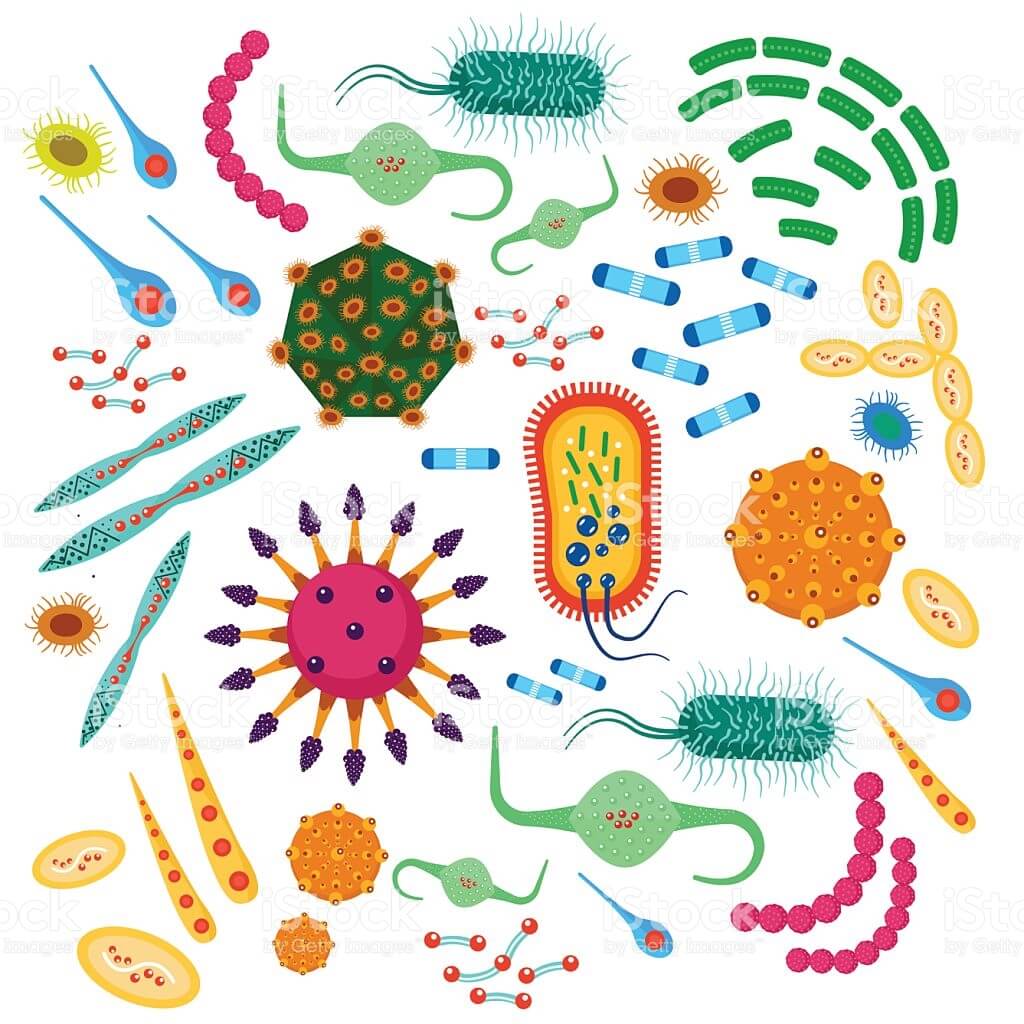
The results, though still quite speculative, dramatically alter our understanding of how life is sliced and diced among different forms. Where insects were once considered by far the most abundant, in the new depiction of what the authors call “The Pie of Life” they are relegated to just part of the tiny wedge allotted to animals, while bacteria and other microorganisms make up the vast bulk — 70 to 90 percent — of the picture.

Improved awareness of species diversity provides a valuable foundation for efforts to understand and maintain the integrity of natural systems. The authors note, for instance, that in addition to dramatically expanding and refining our best estimate of the number of species on Earth, the analysis suggests that organisms that live with or in other organisms are the source of most of life’s diversity.

And, we might add, that 19th century mathematician Augustus de Morgan was onto something when he penned this memorable verse:

Great fleas have little fleas upon their backs to bite ’em,
And little fleas have lesser fleas, and so ad infinitum. View Ensia homepage

This article was originally published at Ensia as The leaves on the tree of life are almost all microbes and has been republished here with permission.

How choosing genetically similar partners shapes our genomes

shutterstock e

Chances are, you’re going to marry someone a lot like you. Similar intelligence, similar height, similar body weight. A new study of tens of thousands of married couples suggests that this isn’t an accident. We don’t marry educated people because we happen to hang around with educated people, for example—we actively seek them out. And these preferences are shaping our genomes.

[Researchers] found a strong statistical correlation between people’s genetic markers for height and the actual height of their partner. They also found a statistically significant, but weaker, correlation between people’s genes for BMI and actual BMI in partners: People had actively chosen partners with similar genes to themselves.

Such assortative mating increases relatedness in families and can help their offspring survive better as long as the trait under selection (larger size, for example) continues to be beneficial—helping males acquire and fend off mates, for example.

Assortative mating boosts the odds that a trait, such as height, will be passed to offspring. That has implications for genetic models that predict how likely it is that members of a family will inherit a trait, whether it’s a disease such as schizophrenia or a physical trait, such as height.

The GLP aggregated and excerpted this blog/article to reflect the diversity of news, opinion, and analysis. Read full, original post: Your choice of a life partner is no accident

Food, vaccines and medicine: How plant scientists are changing the world

BASFStress tolerant e

[Editor’s note: Erica Hawkins is a PhD student at the John Innes Centre and the University of East Anglia studying medicinal plant compounds.]

Wheat, Corn and soybean harvests have been predicted to fall by 22% in the US by the end of the century because of water stress brought on by global warming.

What can we do to decrease the impact of global warming on crop production? We can’t change the weather, but as plant scientists we can look at the influence of long-term climate change on crops. By understanding how plants adapt to changing environmental conditions, we can help to breed crops that are more resilient to adverse environmental conditions such as water stress.

Although many drug candidates are found in plants, most are chemically synthesised in genetically modified bacteria and yeast. … Many scientists are now looking at ways to increase production of these medicinal compounds in planta, turning the plant into medicinal biofactories.

Plants now have the potential to manufacture vaccines. Prof George Lomonosoff at the John Innes Centre has found a way to hijack tobacco and turn its leaves into factories to produce polio-vaccines and this technology has the potential to be used to make vaccines for other viruses too.

The GLP aggregated and excerpted this article to reflect the diversity of news, opinion and analysis. Read full, original post: How plant science will change the world

France to vote against 5-year EU renewal of glyphosate herbicide

FranceEU e

France will vote against a five-year extension of the license for weed-killer glyphosate that the European Commission will propose on Monday [Nov. 27], a junior French environment minister said.

The decision makes renewal more difficult for the product…. Glyphosate is a key ingredient in Monsanto Co’s top-selling weed-killer Roundup.

“The Commission will put one single proposition on the table on Monday: renewing glyphosate (license) for five years. In view of the risks, France will oppose this proposition and vote against it,” Brune Poirson said in an editorial in French Sunday newspaper Journal du Dimanche.

Fourteen out of 28 countries voted in favor of extending the license when the EU voted on the issue on Nov. 9 with nine against and five abstentions. Under EU rules, 16 favorable votes are needed as a “qualified majority” for renewal before authorization expires on Dec. 15.

The Commission said after the Nov. 9 vote it would resubmit the proposal at the end of the month.

The GLP aggregated and excerpted this article to reflect the diversity of news, opinion and analysis. Read full, original post: France to vote against EU license extension for weed-killer glyphosate

Mexico revokes Monsanto permit to develop GMO soybean seeds in 7 states

Soya en Sonora e

Agriculture sanitation authority Senasica has revoked a permit held by Monsanto to commercialize genetically modified soy in seven Mexican states.

The agency said the company had not complied with biosecurity controls and failed to prevent risks that the genetically modified organisms (GMO) pose to the environment.

The decision came after transgenic soybeans cultivated by Monsanto were detected outside areas authorized for sowing of the genetically-modified seeds, causing what Senasica described as “serious or irreversible damage to the environment.”

Environmental organizations, indigenous collectives and other activist groups had alerted authorities to the presence of the crops in unauthorized areas.

The ruling applies to Tamaulipas, San Luis Potosí, Veracruz, Chiapas, Campeche, Yucatán and Quintana Roo, where the company had been authorized to operate since 2012.

In a prepared statement, Monsanto said that the permit had been revoked on unwarranted legal and technical grounds and called the decision unjustified.

Courts have also blocked Monsanto from growing corn in Mexico due to fears surrounding the effect genetically modified maize would have on the environment and local producers.

The GLP aggregated and excerpted this article to reflect the diversity of news, opinion and analysis. Read full, original post: Agency invalidates Monsanto GM permit