FDA details risk-based cellular therapy and regenerative medicine guidelines

regenerative medicine

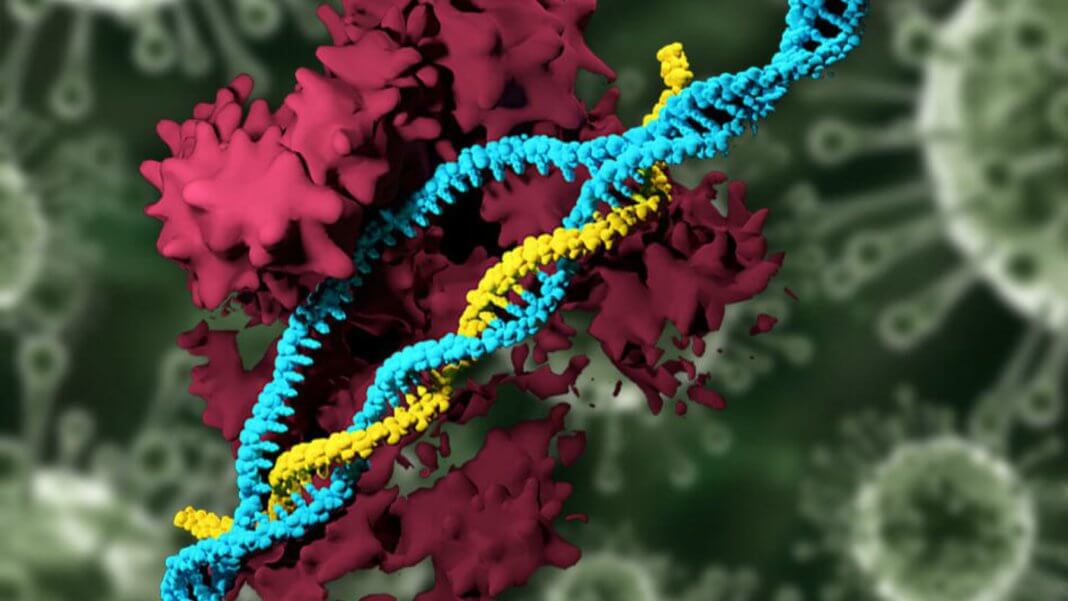
The FDA has issued two final guidances and two draft guidances, all designed to articulate the agency’s approach to developing and overseeing novel cellular therapies and other regenerative medicine products.

The agency said its suite of four guidance documents constituted a risk-based and science-based policy framework approach designed to support innovative product development while clarifying the FDA’s authority, its enforcement priorities against products deemed to raise potential significant safety concerns.

The two final guidances are designed to clarify the FDA’s interpretation of the risk-based criteria manufacturers must use to determine whether a product is subject to the FDA’s premarket review.

“This field is dynamic and complex. As such, it has presented unique challenges to researchers, healthcare providers, and the FDA as we seek to provide a clear pathway for those developing new therapies in this promising field, while making sure that the FDA meets its obligation to ensure the safety and efficacy of the medical products that patients rely upon,” FDA Commissioner Scott Gottlieb, M.D., said in a statement.

The GLP aggregated and excerpted this blog/article to reflect the diversity of news, opinion, and analysis. Read full, original post: FDA issues final and draft regenerative medicine guidance documents

Anti-biotechnology fake news: ‘Natural News’ claims RNAi used to ‘eliminate black people’

Screen Shot at AM

Anti-GMO campaigners are promoting a new conspiracy theory conflating the pioneering genetics technology of RNAi with anti-vaxxer myths and a supposed effort to eliminate black people.

According to NaturalNews, the website of the self-described “Health Ranger” Mike Adams, RNAi is already being used for “population control” as part of a “concerted, organized and longstanding effort to eliminate African Americans from the gene pool and Africans in general.”

[Read GLP Biotech Gallery profile of Mike Adams]

In reality, RNAi is being used to protect plants against diseases and more recently, to combat pest infestations as a substitute for insecticides. RNAi stands for RNA interference, a biological process whereby gene expression is inhibited by the targeting of messenger RNA molecules, whose normal function is to translate the coding sequences of DNA into proteins.

As a kind of InfoWars for the anti-GMO movement, Mike Adams clearly belongs on the lunatic fringe. However, according to the Genetic Literacy Project, Adams is able to “generate huge traffic volume,” with 1.1-1.7 million unique visitors per month. This puts his site in the same range as the Mayo Clinic and far above the US government’s official cancer.gov website.

The GLP aggregated and excerpted this article to reflect the diversity of news, opinion and analysis. Read full, original post: Anti-GMO website promotes new conspiracy theory linking GMOs with supposed campaign to ‘eliminate Africans’

Viewpoint: Cost of gene therapy could put experimental treatments out of reach for most

BBEZS r

Drugs that modify human genes have the potential to cure intractable diseases with just one treatment. Few could disagree that’s a good thing. But if these same drugs cost $1 million or more a pop, then the disagreements begin.

Given the prices of existing medicines, drugmakers will argue that a one-time hemophilia treatment — even at a very high cost — will rapidly pay for itself. But such arguments still may not convince payers. Gene therapies may not always deliver lasting cures. There’s also an unfortunate dynamic unique to the U.S. health-care market and private insurance that makes this type of medicine especially problematic. People swap jobs and insurers all the time.

The industry needs to migrate toward pay-for-performance pricing, in which drugmakers get fully paid only if their medicines work and save money over the long run. Drugmakers need to accept that they won’t get traditional profit margins on these products and bear some of the risk for drug failures. Payers need to learn to think long-term, to become more flexible, and to acknowledge and pay for value when it’s delivered. The current trajectory, toward extreme price tags and extreme resistance to them, will only hurt patients.

The GLP aggregated and excerpted this blog/article to reflect the diversity of news, opinion, and analysis. Read full, original post: How to Avoid a Disastrous Gene-Therapy Price Battle

Food, vaccines and medicine: How plant scientists are changing the world

BASFStress tolerant e

[Editor’s note: Erica Hawkins is a PhD student at the John Innes Centre and the University of East Anglia studying medicinal plant compounds.]

Wheat, Corn and soybean harvests have been predicted to fall by 22% in the US by the end of the century because of water stress brought on by global warming.

What can we do to decrease the impact of global warming on crop production? We can’t change the weather, but as plant scientists we can look at the influence of long-term climate change on crops. By understanding how plants adapt to changing environmental conditions, we can help to breed crops that are more resilient to adverse environmental conditions such as water stress.

Although many drug candidates are found in plants, most are chemically synthesised in genetically modified bacteria and yeast. … Many scientists are now looking at ways to increase production of these medicinal compounds in planta, turning the plant into medicinal biofactories.

Plants now have the potential to manufacture vaccines. Prof George Lomonosoff at the John Innes Centre has found a way to hijack tobacco and turn its leaves into factories to produce polio-vaccines and this technology has the potential to be used to make vaccines for other viruses too.

The GLP aggregated and excerpted this article to reflect the diversity of news, opinion and analysis. Read full, original post: How plant science will change the world

Video: Here’s how CRISPR gene editing works

MIT tech non viral CRISPR nonviral genetics x

Gene editing is in the news a lot these days, but what is it exactly? Gene editing is the process of making precise and permanent changes to living things at the level of DNA, or more specifically, to the four molecular building blocks of DNA.

Though there are multiple ways to perform targeted gene editing, the most commonly discussed method these days is CRISPR/Cas9.

Watch this episode of Tech-x-planations to learn how CRISPR/Cas9 works.

The GLP aggregated and excerpted this blog/article to reflect the diversity of news, opinion, and analysis. Read full, original post: You’ve Heard All About CRISPR Gene Editing – Here’s How It Works

https://youtu.be/xUb8AqCHPGc

French scientist calls for inquiry into IARC’s ‘misbehavior’ on glyphosate cancer study

StopGlyphosateHazmatCOM e

A column in Euractiv has already revealed the story behind the glyphosate ban campaign. These facts, brought to light in July 2017, did not seem to reach European politicians. One may ask: what more do they need? Well, actually there is more…

Summary of past episodes

There are serious suspicions of misbehaviour, motivated by greed, within the International Agency for Research on Cancer (IARC) working group on glyphosate. As everybody knows now, the IARC has classified glyphosate as a “probable carcinogen”. What the press rarely mentions is that this opinion has been contradicted by a dozen other scientific authorities. It appeared during court hearings in the United States that several people involved in the IARC report have financial links with certain law firms involved in lawsuits against a producer of this herbicide, taking advantage of the IARC ranking.

New pieces of the scandal

A Reuters investigation reveals that the glyphosate report was changed at the last minute and that these changes have shifted the balance in favour of a “likely carcinogenic” classification, which was not the case with the previous version.

Another known aspect of the scandal concerns the IARC’s failure to consider the largest epidemiological study on glyphosate. This Agricultural Health Study (AHS) is now (finally) accessible, allowing everybody to note that there is no relation between glyphosate and non-Hodgkin lymphoma (the one cancer that the IARC considered most heavily in its report). Astonishingly, a US law firm intruded in the debate by lobbying the European Commission, Parliament and Member States against the AHS study.

The release of some emails during the above-mentioned court hearings suggests triangular conspiratorial links (IARC glyphosate working group member, green politician, and activist journalist) against glyphosate. Maybe not illegal, but is it ethical?

An inquiry is necessary

Each European citizen is entitled to receive answers to the following questions.

Why was the scientific publication of the AHS study so delayed? Why was its draft not taken into account by the IARC when at least one member of its glyphosate working group knew about its results?

Why does the IARC refuse to publish its internal documents related to its meetings on glyphosate?

What are the levels of complicity within the IARC with the lawsuit business that emerged after its glyphosate classification? Was such a business already triggered by previous IARC classifications?

Why did the European politicians, including at the European Parliament, fail to protect European citizens from such a fear campaign (which is not the only one!)? Is it that our elected politicians are no longer able to discriminate truth and untruths?

Yes, an official inquiry concerning the IARC should be initiated. But the question is: who is going to conduct such an investigation if too many European leaders have surrendered to Post-Truth? That is to say a fictional and credulous construction, with its imaginary enemies, its doomed prophets and its profiteers, leading to a destructive frenzy of entire sectors of the economy.

Marcel Kuntz, PhD, is an agricultural plant science researcher at the French National Centre for Scientific Research.

This article was originally published at BlogActiv as “Glyphosate: the scandal deepens” and had been republished here with permission.

Argentina authorizes new herbicide-resistant GMO soybean seeds

Soja

Argentina authorized on Friday [Nov. 24] the use of genetically modified soybean seeds resistant to herbicides other than glyphosate, as the European Union (EU) debates whether to extend the license of weed-killers containing the ingredient.

In a statement, the Agriculture Ministry said the SYN-000H2-5 seed needed different herbicides which had not raised health concerns around the world. Syngenta AG and Bayer AG had requested government approval for the seed.

“This is of great importance given the rise of resistant weeds and other potential limitations to the use of the glyphosphate herbicide,” the Ministry said.

It was not clear if a potential glyphosate ban in Europe would impact shipments of soy-based products from Argentina, Gustavo Lopez, director of Buenos Aires-based consultancy Agritrend, told Reuters.

Argentina shipped 7.5 million tonnes of soybean meal to European countries in the first nine months of 2017, data from government statistics agency Indec show. The country’s producers are expected to plant 16.8 million hectares of soybeans for the 2017-18 crop.

The GLP aggregated and excerpted this article to reflect the diversity of news, opinion and analysis. Read full, original post: Argentina permits new soybean seed as EU debates weed-killer glyphosate

France to vote against 5-year EU renewal of glyphosate herbicide

FranceEU e

France will vote against a five-year extension of the license for weed-killer glyphosate that the European Commission will propose on Monday [Nov. 27], a junior French environment minister said.

The decision makes renewal more difficult for the product…. Glyphosate is a key ingredient in Monsanto Co’s top-selling weed-killer Roundup.

“The Commission will put one single proposition on the table on Monday: renewing glyphosate (license) for five years. In view of the risks, France will oppose this proposition and vote against it,” Brune Poirson said in an editorial in French Sunday newspaper Journal du Dimanche.

Fourteen out of 28 countries voted in favor of extending the license when the EU voted on the issue on Nov. 9 with nine against and five abstentions. Under EU rules, 16 favorable votes are needed as a “qualified majority” for renewal before authorization expires on Dec. 15.

The Commission said after the Nov. 9 vote it would resubmit the proposal at the end of the month.

The GLP aggregated and excerpted this article to reflect the diversity of news, opinion and analysis. Read full, original post: France to vote against EU license extension for weed-killer glyphosate

Evidence ancient humans not ‘violent apes’ but distinctly compassionate

tools wikimedia

[Editor’s note: Penny Spikins is an archaeologist who specializes in early prehistory and human origins.]

Yes, there is evidence of interpersonal violence in our ancient history. But actually there is far less of it than one might assume. There is, in fact, far more evidence of interpersonal care: of people who have tended to the injured and ensured that the sick or lame were kept alive. This tendency—for kindness, compassion, and care—is far more unique to the human species than our tendency to lash out. Many animals respond to threats by fighting back. Very few animals tend to their wounded friends, and only humans do it consistently.

There are, perhaps surprisingly, only two known cases of likely interpersonal violence in the archaic species most closely related to us, Neanderthals. That’s out of a total of about 30 near-complete skeletons and 300 partial Neanderthal finds.

Evidence of human care, on the other hand, goes back at least 1.5 million years—to long before humans were anatomically modern.

It is easy to think of ourselves as “violent apes.” But on the whole, a better descriptor would be “compassionate apes.” After all, it is our tendency for kindness that sets us apart.

The GLP aggregated and excerpted this blog/article to reflect the diversity of news, opinion, and analysis. Read full, original post: Compassion Sets Humans Apart

Women may have something to gain from male infertility

infertile

The plot of P.D.James’s dystopian novel The Children Of Men revolves around a provocative thought experiment: what would happen if humans stopped being able to reproduce? In the story, set in 2021, no child has been born in the past 25 years and Homo sapiens is heading for extinction. With no future to plan for, society is spiralling into the ultimate fin-de-siècle decadence.

By the time 2021 comes around for real, life may be starting to imitate art. In July, Israeli scientists reported that sperm counts in developed countries have declined by more than half in the past 40 years and continue to fall by about 1.6 per cent a year. “Shocking” and “a wake-up call” were two of the responses from other scientists.

For many women, the news that men are suddenly in the spotlight will feel like a welcome role reversal. Difficulty conceiving has long been treated as a “women thing” by society and medicine alike….

If the male fertility crisis has a silver lining, it is an opportunity to discuss and redress these long-standing gender inequalities.

The GLP aggregated and excerpted this blog/article to reflect the diversity of news, opinion, and analysis. Read full, original post: Why the male infertility crisis could be good news for women

Talking Biotech: Pet dogs with genetic diseases testing ground for gene therapy

dystrophy

The promises of gene therapy have been slow to reach the public for many reasons. Technologies conceived in the 1980s had a substantial regulatory and proof-of-concept road ahead of them, leading to slow development and deployment.

UnknownOne of the major issues is that these therapies were designed for humans, where ethics concerns and regulation are a challenge to navigate. However, it is possible to demonstrate efficacy in animals. Emily Mullin is the Associate Editor at MIT Technology Review. She recently covered the application of gene therapy to animals, and now describes its application in veterinary capacities where regulation is much lower than in human therapy.
Follow Emily on Twitter: @emilylmullin

Read her work at MIT Technology Review

Follow Talking Biotech on Twitter @TalkingBiotech

Follow Kevin Folta on Twitter @kevinfolta | Facebook: Facebook.com/kmfolta/ | Lab website: Arabidopsisthaliana.com | All funding: Kevinfolta.com/transparency

Screen Shot at AMStitcher | iTunes | Player FM | TuneIn

Genetic Literacy Project’s Top 6 Stories for the Week – Nov. 27, 2017

GLP Top Thumbnail Nov


  1. CRISPR breathing new life into crop breeding—can it avoid GMO controversy?Andrew Porterfield
  2. Viewpoint: Genetic engineering’s benefits extend far beyond GMO crops and controversy | Cameron English
  3. Searching for extraterrestrial life: Finding the right communication technologyDavid Warmflash
  4. Viewpoint: FDA regulations ‘a disaster’ for genetically modified animal research | Henry Miller & John Cohrssen
  5. Genetics of mental health yield surprising connections but no cures | Meredith Knight
  6. Myth busting: Are natural pesticides really safer than synthetic ones?Layla Katiraee

To stay up to date on all the news in human and agricultural genetics, subscribe to our daily and weekly email newsletters in the top right corner of this page, and follow us on Facebook and Twitter.

Golden Potatoes: Vitamin-A fortified GMO variety could help tackle childhood blindness in Africa

Screen Shot at PM e

We’ve been praising the development of Golden Rice, genetically engineered to contain the vitamin A precursor beta-carotene, for years. Since vitamin A deficiency causes hundreds of thousands of cases of childhood blindness around the world, it only makes sense to add this means of supplementing beta-carotene in areas of the world where rice is a staple. In other areas, such as some parts of Africa, potatoes, not rice provide the basis of diets. The good news is that there is hope for these areas as well, as strains of potatoes engineered to contain not only beta-carotene but also alpha-tocopherol, or Vitamin E, have been developed.

Potatoes are a gift of the New World to the Old, providing calories, starch, vitamin C, and fiber — but virtually no vitamin A. Even the yellow potatoes we can currently buy in the supermarket aren’t sources of beta-carotene — there are other chemicals that confer the yellow color. However, writing in PLOS One, Dr. Chureeporn Chitchumroonchokchai from the Ohio State University and colleagues evaluate the nutrient contributions of 2 strains of genetically engineered potatoes.

[T]hey determined that the [Golden Potatoes] contained 6-8 times more total carotenoids than did the [wild-type] versions.

The GLP aggregated and excerpted this article to reflect the diversity of news, opinion and analysis. Read full, original post: Move Over, Golden Rice — Golden Potatoes Are On The Way!

Despite the hype, there was no ‘successful’ human head transplant

head

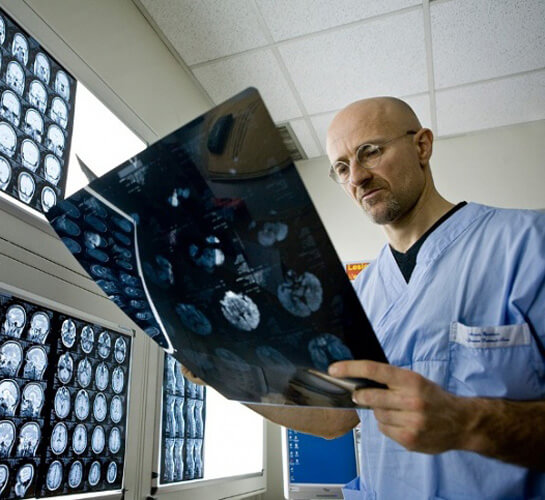
In February 2015, Sergio Canavero appeared in this very publication claiming a live human head will be successfully transplanted onto a donor human body within two years. He’s popped up in the media a lot since then, but two years and nine months later, how are things looking?

Well, he’s only gone and done it! As we can see in this Telegraph story … the world’s first human head transplant has been successfully carried out…

Well, not quite. Because if you look past the triumphant and shocking headlines, the truth of the matter becomes very clear, very quickly…

Many of Canavero’s previous appearances in the media have been accompanied by claims of successful head transplant procedures. But, how are we defining “successful” here? Canavero’s definition seems to be extremely “generous” at best.

And this recent successful human head transplant? It was on corpses! Call me a perfectionist if you must, but I genuinely think that any surgical procedure where the patients or subjects die before it even starts is really stretching the definition of “success” to breaking point.

You can weld two halves of different cars together and call it a success if you like, but if the moment you turn the key in the ignition the whole thing explodes, most would be hard pressed to back you up on your brilliance.

The GLP aggregated and excerpted this blog/article to reflect the diversity of news, opinion, and analysis. Read full, original post:  No, there hasn’t been a human ‘head transplant’, and there may never be

African Seed Trade Association announces support for GMOs

seedsystem photo seeds in hands photo CIAT

A continental seed body on Friday [Nov. 17] supported the coexistence of genetically modified (GMO) seeds and conventional ones.

The Secretary General of African Seed Trade Association (AFSTA) Justin Rakotoarisaona said farmers stand to benefit greatly once they embrace modern agricultural tools.

“The use of improved GMO seeds is poised to make inroads into African agriculture in the near future, hence the need to address co-existence of biotech and conventional crops,” Rakotoarisaona told Xinhua….

He also said there was no need to fear as the emergence of modern crop biotechnology has led to development of a strict regulatory framework that governs the use and transfer of the technology.

South Africa is one of the countries in Africa that is already benefiting from the technology, while several countries have massively invested in biosafety systems and regulations to ensure safe use and application of this technology.

“The countries that are already growing biotech crops or permit their importation have biosafety laws in place that handle matters relating to human and environmental safety,” he noted.

AFSTA believes that the continent needs to take up and adopt new technologies like GMOs to be able to properly feed the increasing population and as well earn foreign exchange.

The GLP aggregated and excerpted this article to reflect the diversity of news, opinion and analysis. Read full, original post: African seed body backs use of genetically engineered seeds

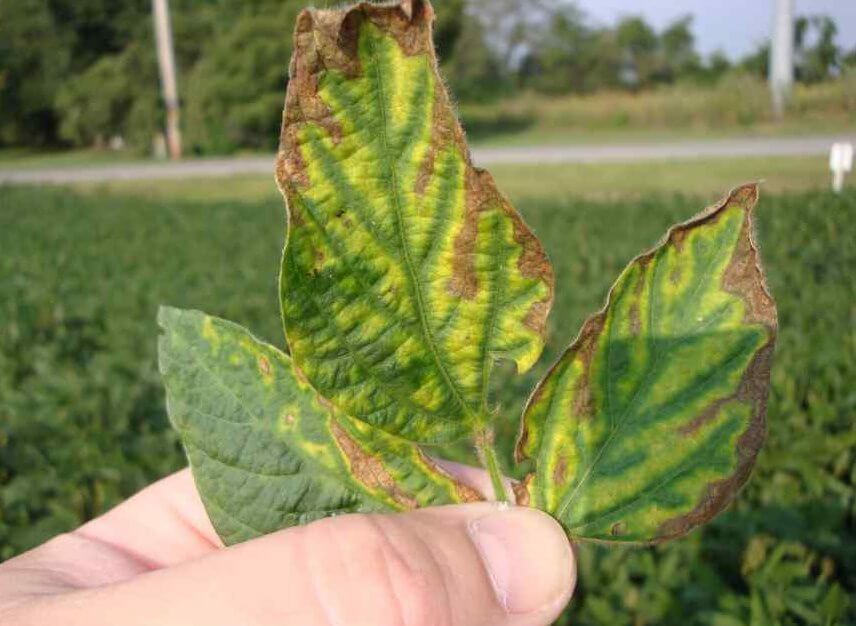
New disease-resistant GMO soybean variety could protect crop from ‘sudden death syndrome’

sudden death symptoms soybeans

An Iowa State University agronomist is charting mechanisms – gene by gene – that could lead to soybean varieties resistant to sudden death syndrome [SDS].

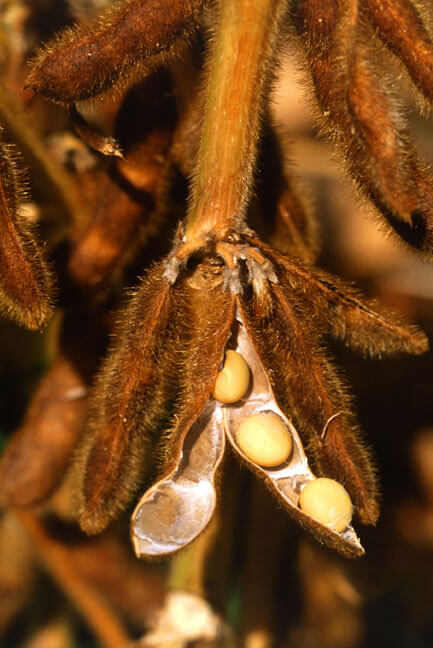
A paper published recently in the peer-reviewed academic journal Plant Physiology shows a gene found in a model plant called Arabidopsis could confer improved disease resistance in soybeans. Madan Bhattacharyya, a professor of agronomy and lead author of the study, said his current research points toward several Arabidopsis genes that could act in concert to help soybeans fight off sudden death syndrome, a disease that has caused millions of dollars in crop losses for Iowa farmers.

“We’ve started to map many of these genes, and we think there are many different mechanisms that work together to create resistance of Arabidopsis against two soybean pathogens,” Bhattacharyya said. “We’re testing a hypothesis that putting a combination of these Arabidopsis genes into soybeans confers a high level of disease resistance.”

The study identifies [an Arabidopsis gene], called PSS1, as a means of improving soybean resistance. The transgenic soybean plants carrying this gene showed enhanced SDS resistance in two consecutive years under field conditions, Bhattacharyya said.

[Editor’s note: Read the full study]

The GLP aggregated and excerpted this article to reflect the diversity of news, opinion and analysis. Read full, original post: Research details genetic resistance to sudden death syndrome in soybeans

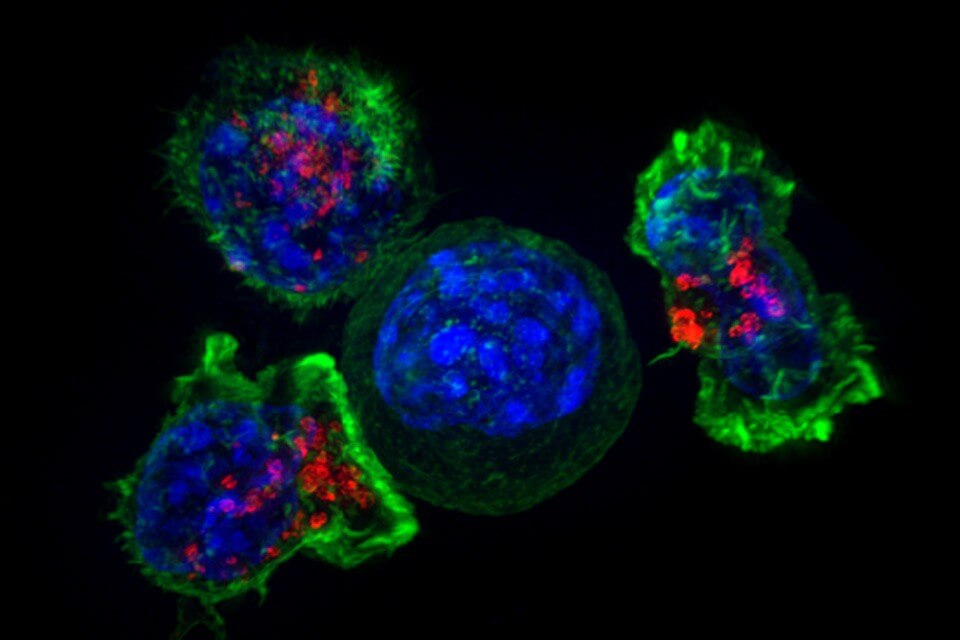
New T-cell treatment shows promise for treating leukemia

Tcell

A new way of genetically altering a patient’s cells to fight cancer has helped desperately ill people with leukemia when every other treatment had failed, researchers reported on Monday in the journal Nature Medicine.

The new approach, still experimental, could eventually be given by itself or, more likely, be used in combination treatments … to increase the odds of shutting down the disease.

The research, conducted at the National Cancer Institute, is the latest advance in the fast-growing field of immunotherapy, which fires up the immune system to attack cancer. The new findings build on two similar treatments that were approved by the Food and Drug Administration this year: Kymriah, made by Novartis for leukemia; and Yescarta, by Kite Pharma for lymphoma.

Kymriah and Yescarta require removing millions of each patient’s T-cells — disease-fighting white blood cells — and genetically engineering them to seek and destroy cancer cells. The T-cells are then dripped back into the patient, where they home in on protein molecules called CD19 found on malignant cells in most types of leukemia and lymphoma.

The new treatment differs in a major way: the T-cells are programmed to attack a different target on malignant cells, CD22.

The GLP aggregated and excerpted this blog/article to reflect the diversity of news, opinion, and analysis. Read full, original post: New Gene Treatment Effective for Some Leukemia Patients

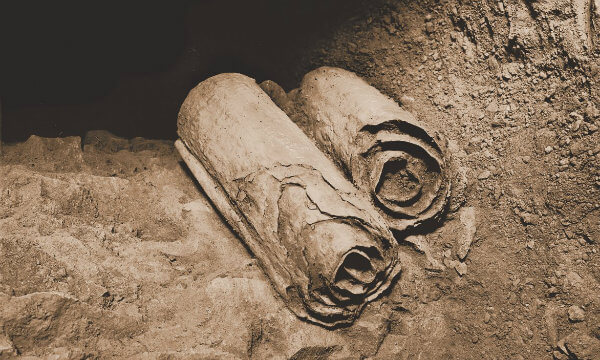
Has the mystery of who wrote the Dead Sea Scrolls been solved?

dead sea

Dozens of skeletons discovered in the Judean Desert may finally reveal who wrote the famous Dead Sea Scrolls, a mystery that scientists and historians have been trying to solve for more than 50 years. The scrolls contain fragments from nearly every part of the Old Testament.

The 33 human skeletons were found buried at Qumran, near the caves where the scrolls were originally discovered (they’re alternately known as the Qumran Caves Scrolls). The people they belonged to may have been alive when the texts were written and placed inside the caves; they could possibly be the authors themselves.

Researchers have already performed a radiocarbon analysis on one of the bones and estimate that it is about 2,200 years old, which lines up with the timeframe in which the scrolls are believed to have been written (roughly 150 B.C. to 70 A.D.).

The question of who wrote them is remained closely tied to the question of who exactly the Qumran inhabitants were. One theory—to which the skeletons might lend credence—is that Qumran was populated by a celibate Jewish sect called the Essenes, who either wrote the manuscript themselves or served as their custodians (the scrolls were written in Hebrew, Aramaic, and Greek).

The GLP aggregated and excerpted this blog/article to reflect the diversity of news, opinion, and analysis. Read full, original post: Dead Sea Scrolls: Ancient Skeletons Discovered in West Bank Cave May Solve 2,000-Year-Old Biblical Mystery


Genetics can’t determine your indigenous heritage

Beothuk burial scene detail e

Collectively, genetics studies have shown us that the indigenous inhabitants of the Americas are descended from a group that diverged from its Siberian ancestors beginning sometime around 23,000 years before present…

All genetics research to date has affirmed the shared ancestry of all ancient and contemporary indigenous peoples of the Americas, and refuted stories about the presence of “lost tribes”, ancient Europeans, and (I can’t believe that I actually have to say this) ancient aliens.

But it’s also important to understand what genetics can’t tell us. While writing up this article, I was appalled (although not surprised) that there is at least one personal ancestry testing company that has made the claim that they can help you determine whether or not you are Beothuk based on your DNA.

Let’s be clear: all claims that a person’s tribe or indigenous nationality can be determined from their genomes are scientifically inaccurate. First, this is because there simply are no currently known genetic markers that allow us to identify individual tribes or nations; although we see geographically patterned genetic variation throughout the Americas in ancient and contemporary populations which allows us to differentiate them (as done in this study), genetic lineages are not tribal or nation-specific….


The GLP aggregated and excerpted this blog/article to reflect the diversity of news, opinion, and analysis. Read full, original post: No ‘lost tribes’ or aliens: what ancient DNA reveals about American prehistory