Alzheimer’s, Parkinson’s linked to body’s mishandling of ‘garbage’

park

A new study…may help explain how diseases like Alzheimer’s and Parkinson’s spread in the brain. Sometimes when neurons dispose of toxic waste, neighboring cells get sick.

“Normally the process of throwing out this trash would be a good thing,” says Monica Driscoll, professor of molecular biology and biochemistry at Rutgers University. “But we think with neurodegenerative diseases like Alzheimer’s and Parkinson’s, there might be a mismanagement of this very important process that is supposed to protect neurons but, instead, is doing harm to neighbor cells.”

“What we found out could be compared to a person collecting trash and putting it outside for garbage day,” says Driscoll. “They actively select and sort the trash from the good stuff, but if it’s not picked up, the garbage can cause real problems.”

The roundworms engineered to produce human disease proteins associated with Huntington’s disease and Alzheimer’s threw out more trash consisting of these neurodegenerative toxic materials. While neighboring cells degraded some of the material, more distant cells scavenged other portions of the diseased proteins.

“These findings are significant,” Driscoll says. “The work in the little worm may open the door to much needed new approaches to addressing neurodegeneration and diseases like Alzheimer’s and Parkinson’s.”

[The study can be found here.]

The GLP aggregated and excerpted this blog/article to reflect the diversity of news, opinion, and analysis. Read full, original post: Toxic ‘garbage day’ might explain how Alzheimer’s spreads

Talking Biotech: Shoppers may soon be able to buy pre-sliced, tastier and more nutritious pears

pears super fruit for many disorders and diseases

Finding a good pear can be a frustrating process, and represents a long-standing problem for the US pear industry, which has been stagnant for decades. Amit Dhingra, a horticultural genomicist from Washington State University, thinks the industry is ripe for innovation.

In this episode of Talking Biotech, Dhingra explains the roots of pear domestication, why we see so few varieties of pears, and efforts to improve the surprisingly nutritious fruit. (The pear has superior health benefits to apples, including higher fiber content and a lower glycemic index.) Dhingra is working with Washington farmers to develop pears that use less water, ripen more consistently, and have a longer shelf life. He believes reliably tasty pre-sliced pears could jumpstart the pear industry.

Follow Amit Dhingra @aamitdhingra

Follow the Talking Biotech Podcast @TalkingBiotech

Follow Kevin Folta on Twitter @kevinfolta | Facebook: Facebook.com/kmfolta/ | Lab website: Arabidopsisthaliana.com | All funding: Kevinfolta.com/transparency

Stitcher | iTunes | Player FM | TuneIn

Visit Kevin Folta’s Talking Biotech

Bill Gates: ‘We need to prepare for epidemics the way the military prepares for war’

Screen Shot at AM

[Editor’s note: Excerpts are from an editorial written by Microsoft founder Bill Gates, regarding the potential dangers of fast-moving diseases spread by terrorists or nature.] 

War zones and other fragile state settings are the most difficult places to eliminate epidemics…It’s also true that the next epidemic could originate on the computer screen of a terrorist intent on using genetic engineering to create a synthetic version of the smallpox virus….

The point is, we ignore the link between health security and international security at our peril. Whether it occurs by a quirk of nature or at the hand of a terrorist, epidemiologists say a fast-moving airborne pathogen could kill more than 30 million people in less than a year. And they say there is a reasonable probability the world will experience such an outbreak in the next 10-15 years.

First and most importantly, we have to build an arsenal of new weapons—vaccines, drugs, and diagnostics.

Vaccines can be especially important in containing epidemics. But today, it typically takes up to 10 years to develop and license a new vaccine. To significantly curb deaths from a fast-moving airborne pathogen, we would have to get that down considerably—to 90 days or less.

[We need to] prepare for epidemics the way the military prepares for war. This includes germ games and other preparedness exercises so we can better understand how diseases will spread, how people will respond in a panic, and how to deal with things like overloaded highways and communications systems.

The GLP aggregated and excerpted this blog/article to reflect the diversity of news, opinion, and analysis. Read full, original post: BILL GATES: A new kind of terrorism could wipe out 30 million people in less than a year — and we are not prepared

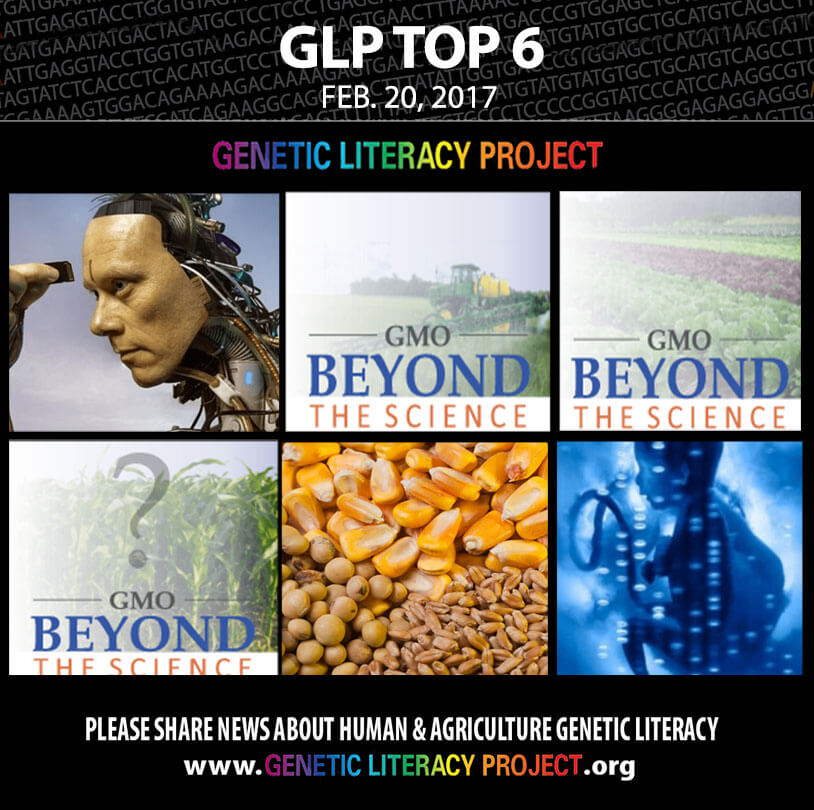
Genetic Literacy Project’s Top 6 Stories for the Week, February 20, 2017

t web

From this past week, here are the #GLPTop6 among many great stories on human and agriculture genetics around the world. Please share and help spread the news!


  1. Enhancing humans: Becoming a cyborg could end up as a privilege of the wealthy by David Warmflash
  2. Technology In Farming And Food: Farmers And Producers Need To Build Trust by Charlie Arnot
  3. Is Organic Farming Better for the Environment? by Steve Savage
  4. Without Glyphosate, What Would Farming Look Like? by Dave Walton
  5. Trump Administration has opportunity to base biotech regulations on science, not fears by Nina Fedoroff
  6. Proceed with caution: National Academies offers ‘qualified support’ for gene editing ‘abnormal’ embryos by Kristen Hovet

All this and more! Be sure to sign up for the newsletters and follow us on Social Media. We are on FacebookGoogle+TwitterPinterest! Please feel free to share all the news about human and agricultural genetic literacy!

Shared Values Must Come Before Science in Winning Consumer Trust On Today’s Farming Practices

REVISED Shared Values Must Come Before Featured Image

Charlie Arnot, CEO, Center for Food Integrity | February 17, 2017

ALSO READ:

Is Organic Farming Better for the Environment?
Steve Savage


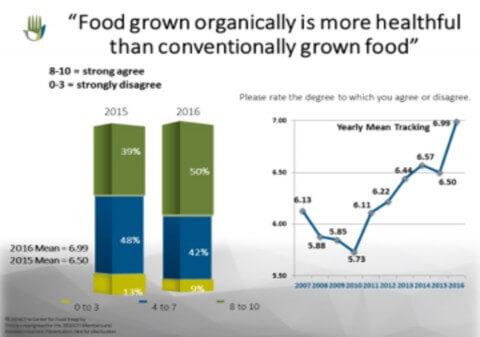
Since 2007, the Center for Food Integrity has asked consumers to rate a wide range of statements on the food system. The results show people tend to think organic food is healthier, food today isn’t as safe as it was when they were kids, and large farming operations can’t be trusted.

Asked to rate agreement on the statement, “Food grown organically is more healthful than conventionally-grown food,” half the respondents in CFI’s latest study strongly agreed. Around half the respondents gave only middling support to the statement, “Today’s food supply is safer than it was when I was growing up.” Around half agreed strongly that “Large farms are likely to put their interests ahead of my interests.”

It’s easy for many consumers to support smaller farming operations that are perceived to be producing food the old fashioned way. This perspective highlights the challenge that the conversation about food is not just about better technology, but finding better ways to support the informed public evaluation of those technologies and our food production system.

What people really want when it comes to food is pretty simple. CFI’s studies over the years consistently show consumers top concern as it relates to what they eat is, “Keeping healthy food affordable.”

How can food producers do a better job engaging in a way that helps people understand that what today’s farmers are doing is more consistent with what they want them to be doing than they might realize? Rather than responding with science, it’s important to listen to consumer concerns, acknowledge those concerns and then help people understand what’s being done to address them.

Science isn’t enough. Science tells us if we can do something while society tells us if we should. Understanding the difference is critical. Scientific verification cannot be substituted for ethical justification. Farmers need to be able to help people understand that they value what is important to them, and then the opportunity to introduce science comes into play.

How technical and scientific information is introduced is key to supporting informed decision making by today’s consumers. CFI’s consumer research clearly shows that once a values-based connection has been made, permission is granted to introduce technical information. Simply having science on your side is clearly not enough to encourage and support informed decision making. Being right is not enough to assure information is considered in the social decision-making process.

Consumer skepticism about food production is understandable. The consolidation, integration and application of technology that make food safer, more available and more affordable than ever before also prompt concerns about whether science benefits society. In building consumer trust, the goal should not be to win a scientific or social argument, but to find more meaningful and relevant methods to introduce science in a way that encourages thoughtful consideration and informed decision making.

As the distance most consumers have from food production continues to increase along with the level of technology we implement, agriculture must dramatically improve its ability and commitment to build trust with consumers and other stakeholders.

Agriculture needs to find messages that deliver direct benefits to consumers or society in order to build support for today’s farming practices. Farm groups need to show that the way today’s food is grown is consistent with the values of American consumers.

Building trust requires an increase in early stakeholder engagement, transparency, professionalism, assessment and verification at all levels of agricultural production. People must be given permission to believe that today’s food system is consistent with their values and expectations. Failure means we will continue to see erosion in consumer trust and increased restrictions on the farming practices needed to operate efficiently and profitably.

CFI’s research provides a model for introducing and discussing complex controversial issues – a model that can be applied when communicating and engaging with consumers to build trust around topics that are critical to the food system’s ability to meet growing demand for food while preserving and protecting our natural resources.

Charlie Arnot is the CEO of the Center for Food Integrity. The Center for Food Integrity is a not-for-profit organization that helps today’s food system earn consumer trust. Our members and project partners, who represent the diversity of the food system, are committed to providing accurate information and working together to address important issues in food and agriculture. The Center does not lobby or advocate for individual companies or brands. For more information, visit www.foodintegrity.org.

The Genetic Literacy Project is a 501(c)(3) non profit dedicated to helping the public, journalists, policy makers and scientists better communicate the advances and ethical and technological challenges ushered in by the biotechnology and genetics revolution, addressing both human genetics and food and farming. We are one of two websites overseen by the Science Literacy Project; our sister site, the Epigenetics Literacy Project, addresses the challenges surrounding emerging data-rich technologies.

Organic industry fears Republicans are targeting National Organic Program

organic

Back in December [2016], the Freedom Caucus [a group of US House Republicans] released a “recommended list of regulations to remove.”  Among its 228 targets … the group named the National Organic Program.

[T]he NOP was established by the Organic Foods Production Act of 1990 to set uniform national standards for foods and agricultural products labeled “USDA Organic,” replacing the patchwork of state-level standards that had held sway for decades previously. The NOP ensures that food labeled organic really is raised without synthetic pesticides and fertilizers….

[D]ismantling the NOP would generate massive chaos in the food market. A federally enforced, uniform, and fairly stringent set of rules would give way to a hodgepodge, leaving consumers flummoxed about what “organic” means.

Kathleen Merrigan, who served a long stint as deputy USDA secretary under Obama, has sounded the alarm.

According to a Politico account of her remarks at a [February 2017] food conference, Merrigan warned that “forces of darkness” are “coming together and saying, ‘Let’s sharpen our knives on organic.'”

Does the Freedom Caucus really want to nix the [NOP] to save $9 million per year? The $39.7 billion organic-food industry … would likely push back pretty hard.

The GLP aggregated and excerpted this blog/article to reflect the diversity of news, opinion, and analysis. Read full, original post: “Dark Forces” Are Coming for Your Organic Food

Pediatrician debunks claims that GMOs and chemicals used with them are bad for the environment

Screen Shot at PM

[Editor’s note: Emiliano Tatar is a pediatrician at the Einstein Healthcare Network Roxborough Plaza. The following is an interview with Michelle Miller, known on social media as the “Farm Babe”. She co-runs a family farm in Iowa and is a public speaker on agricultural topics and controversies.]

Do GMOs pose a threat to the health of farm lands and the environment? What about glyphosate?

Absolutely NOT! It’s always important to remember that the dose makes the poison. Glyphosate is actually the most non-toxic herbicide we have ever had access to which is why it’s so popular. It is less toxic than table salt, baking soda, or caffeine. We spray it two days out of the year and at a very minimal dose. GMOs allow us to eliminate insecticide sprays all together, which is helpful for beneficial insects like bees and butterflies. It allows us to grow more on less land, which is critical to feed a growing planet.

My take away: Understanding the technology and how farmers use it to be good stewards of their lands can go a long way to alleviate concerns. … [E]ven a short review of the facts … reveals that GM crops are, if anything, beneficial to modern farming. In addition, as we saw in the previous installment, there has never, even once been a case of harm to human health from GM foods.

Based on these facts, parents should feel safe feeding their children these foods.

The GLP aggregated and excerpted this blog/article to reflect the diversity of news, opinion, and analysis. Read full, original post: Is GMO farming harmful to the environment?

20 percent of cancer patients resistant to chemotherapy — tweaking gene expression could help

Screen Shot at PM

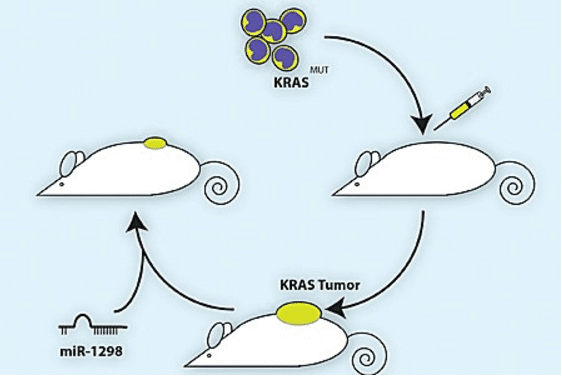
Approximately 20 percent of all cancers have a mutation that makes them incredibly resistant to chemotherapy – a gene called KRAS. KRAS-mutant cancers also have very low survival rates because they are much harder to treat. Given this, researchers have focused their efforts on ways to inhibit KRAS activity. But scientists…have taken a unique approach that may prove to be more effective.

“Instead of trying to deter KRAS itself, we took the approach of looking for other molecules that, when inhibited, are lethal to cells only when KRAS is also mutated,” said Tariq Rana, PhD, professor of pediatrics at the University of California San Diego School of Medicine….

The new study…focuses on inhibiting other genes to create combinations lethal to cancer cells driven by a KRAS mutation. For the study, researchers used microRNAs – which normal cells use to control what genes are turned on or off, and are less active in cancer cells.

Screen Shot at PM
The researchers found that one microRNA, miR-1298, could effectively suppress KRAS-dependent cell growth in colorectal and lung cancer cells. Credit: UC San Diego Health.

Their findings revealed microRNAs as relevant tools for possibly identifying therapeutic methods of treating cancer in the future.

[The study can be found here.]

The GLP aggregated and excerpted this blog/article to reflect the diversity of news, opinion, and analysis. Read full, original post: Genetics Breakthrough Could Give Us a Way to Target and Kill Cancer

Before tying the knot, shouldn’t you know your partner’s genetic risks?

First Date
[A]nother technology is afoot that few people know about but that will upend the way we match and reproduce in years to come: the polygenic score. This is a single number that sums up someone’s genetic potential—risk for disease such as diabetes or predicted height or even the genetic portion of her IQ.

With the spread of recreational genotyping,…more and more Americans have learned some of what their DNA can tell them about their [ancestry]…and their future, such as their risk for diseases like Alzheimer’s.

What does all this have to do with dating and mating? Well, now that a computer app can take the raw data of our [genome] and spit out a single number…that predicts…someone’s height or risk for cognitive decline…[Wouldn’t] you like to know whether the person who just proposed to you is a walking genetic time bomb?

Rather than waiting for CRISPR to mature as a technology and then be refined for simultaneous use in thousands of locations in our chromosomes, it is much more likely that potential parents will merely screen their fertilized embryos to pick the “best” of the lot for implantation—whatever “best” means to that particular couple.

The GLP aggregated and excerpted this blog/article to reflect the diversity of news, opinion, and analysis. Read full, original post: Dating and mating — decided by your genetic profile?

Drought-tolerant genetically engineered maize poised to help African farmers adapt to changing climate

corn

[Editor’s note: Mark Lynas is an author and journalist who reports on crop biotechnology around the world.]

Tanzania’s first-ever genetically modified crop — a field trial of drought-tolerant maize intended to benefit small-scale farmers suffering the effects of climate change — is proceeding well and will be harvested imminently, according to scientists overseeing the trial for the Water Efficient Maize for Africa (WEMA) project.

[Dr. Alois Kullaya, technical advisor to the WEMA project in Tanzania, is] confident the added drought gene will perform as intended. However, he cautioned that a definitive conclusion will need to await scientific data produced by the trial.

[The researchers] expect the overall yield to be higher from plants with the drought-tolerant gene than those without the added trait.

Until recently, researchers were unable to conduct field trials in Tanzania because of restrictive legislation termed “strict liability,” which effectively blocked scientific research.

Genetically modified WEMA hybrids could be in the hands of Tanzania farmers by about 2021, Kullaya said, although he emphasized the nation’s strict liability laws would need to be further amended before environmental release could take place.

The drought-tolerant gene added to the genetically modified maize originates from the soil bacterium Bacillus subtilis. Future GM WEMA hybrids will also carry the insect-resistant Bt gene stacked alongside the drought gene, helping farmers to protect against corn borer attacks without applying insecticides to control the pest.

The GLP aggregated and excerpted this blog/article to reflect the diversity of news, opinion, and analysis. Read full, original post: Drought-tolerant maize shows promise in Tanzania

Food, farm and anti-pesticide groups ask US attorney general to block 3 agri-business mergers

Screen Shot at AM

Nearly 325 consumer, food, farm and anti-pesticide groups sent a letter [on February 13] to newly confirmed Attorney General Jeff Sessions calling on Sessions to block the three major seed-and-agrichemical mergers being reviewed by the U.S. Department of Justice, as well as other U.S. and foreign regulators.

The mergers involved include Dow Chemical and DuPont, Bayer AG and Monsanto, and ChemChina and Syngenta.

Groups signing onto the letter stated the mergers would end up increasing both food and farming costs, threaten global food security, curtail innovation, threaten the health of farm workers and limit farmer choices.

The companies in these mergers have argued their individual partnerships would increase innovation by boosting research and development, as well as expand the mix of traits-seed-and-chemical combinations for major crops. Further, the ChemChina-Syngenta deal would help advance biotechnology production and use in China.

Still, the broad coalition of groups joining the letter argued the mergers would translate into fewer options for farmers and raise input prices.

The GLP aggregated and excerpted this blog/article to reflect the diversity of news, opinion, and analysis. Read full, original post: Groups write to AG opposing seed-chemical mergers

Parents worried about passing on genetic disorders to their children have hope: Gene editing

gduk parents newly

Gene editing — which is still not a reality for parents out there — is the process of genetically modifying embryos, eggs, or sperm in order to fix genes that cause severe disease or disability. While one can only hope that this technology will also help the near-sighted folks out there one day, the obvious priority in gene editing research is what scientists call “heritable germline editing.”

Germline editing is a procedure that would correct the genes involved in serious, genetic diseases, such as cystic fibrosis, Huntington’s disease, or [ALS]. If successful, individuals whose genes carry scary diseases could have children without worrying whether they would be passing on a lifelong struggle.

At the moment, gene editing may sound like something straight out of the pages of a science-fiction novel, but…humans have already undergone gene editing treatment…In China, a human patient was treated with the promising CRISPR gene-editing technique…with researchers switching off a gene in an attempt to treat his lung cancer.

The fact that a clinical trial using CRISPR has already been carried out is promising, but it will likely be a while before parents are able to use gene editing to switch off genetic diseases for future generations.

The GLP aggregated and excerpted this blog/article to reflect the diversity of news, opinion, and analysis. Read full, original post: What Is Gene Editing? Here’s What It Could Mean For Parents

Key to fighting antibiotic-resistant MRSA could rest with noxious weed species in Florida

brazilianpeppertreeemory

Bacteria that don’t respond to drugs are a growing problem, one for which scientists are rushing to find a solution. Emory University researchers have found a promising solution for MRSA — methicillin-resistant Staphylococcus auereus — a sometimes fatal infection that often affects people in hospitals who are already sick or weak.

The answer may be in the berries of an invasive plant called the Brazilian peppertree. The red fruit can be used to block a gene in the MRSA bacteria that allows the tiny organisms to communicate with one another, thus inhibiting collective actions, the university said in a statement.

“Traditional healers in the Amazon have used the Brazilian peppertree for hundreds of years to treat infections of the skin and soft tissues,” [said] researcher and Emory professor Cassandra Quave.

The newly discovered berry extract “essentially disarms the MRSA bacteria, preventing it from excreting the toxins it uses as weapons to damage tissues,” Quave said. “The body’s normal immune system then stands a better chance of healing a wound.”

[The study can be found here.]

The GLP aggregated and excerpted this blog/article to reflect the diversity of news, opinion, and analysis. Read full, original post: Superbug Cure? Red Berries From Brazilian Peppertree Neutralize Antibiotic-Resistant MRSA Bacteria

Epigenetics Around the Web: Engineering better humans? Fearmongering in Canada? Fake autism treatments?

Screen Shot at PM

This week’s features include: Epigenetically modified humans; epigenetics is not appropriate for safety assessments; and a sham treatment for autism that may make it worse.

“Right now this is not an airplane we can fly. It’s an airplane that’s still in the drawing stage.”

–Ivan Rusyn, toxicologist at Texas A&M University

Engineering better humans

In the movie Limitless, Bradley Cooper’s character becomes super-human by taking a pill that improves his brain’s performance. Science fiction or reality of the future? Many experts predict that in the near future, scientific progress will allow people to increase their intelligence and physique through medical procedures or drugs. Recent advancements in gene editing could allow us to alter embryos to create healthier, stronger and smarter people. But writing at Aeon, Michael Bess, professor of history and European studies at Vanderbilt University in Tennessee, sees another path to human enhancement:

Genetic and epigenetic modification will allow us to change our physical appearance and capabilities, as well as to tweak some of the more intangible aspects of our being such as emotion, creativity or sociability.

So could we really improve human attributes and capabilities by inducing targeted epigenetic changes? Could there someday be a pill that increases the activity of a specific gene in neurons to optimize cell efficiency and boost brain power? Maybe.

Drugs that could make these types of epigenetic changes are already in development for the treatment of disease. Several drugs are in various stages of clinical trials that suppress the activity of tumor-causing genes to treat cancer. There’s another drug that decreases the activity of an enzyme that’s linked to Alzheimer’s disease.The potential of these drugs lends credence to the idea that it may someday be possible to make others that enhance human abilities.

However, there are still a number of obstacles to overcome. Epigenetic changes are reversible, and scientists still do not fully comprehend the conditions that reverse these changes. So those intelligence and strength boosts might be short-lived — not perfect, but still great for someone cramming for an exam or looking to get the most out of a day’s workout. The reversibility of these changes may also make human enhancement more palatable for critics of genetically modified humans who worry about making permanent changes to the human gene pool.

Epigenetic fearmongering in Canada

Two Canadian companies, Mettrum Ltd. and OrganiGram Inc., issued recalls of medical marijuana after the discovery of small amounts of banned pesticides, including myclobutanil – a fungicide known to emit hydrogen cyanide when heated, on their products. In letters to customers, the companies downplayed the risks. “The probability of serious adverse health consequences is remote,” read the letter from OrganiGram. A statement from Health Canada downplayed the contamination, calling them “trace amounts.” A senior government official told Globe and Mail that while the findings were unacceptable “in this particular case, the risks are low.”

However, these assurances were unacceptable to some, including Warren Porter, molecular and environmental toxicologist at the University of Wisconsin-Madison. Porter, who is on the board of an anti-pesticide NGO, wrote that Canadians should be very concerned about these findings, in part because we don’t know the effects on epigenetics:

Ultra-low doses can have all kinds of biological effects, especially over longer periods of exposure. So when these companies say ‘Oh, there’s no problem,’ the first thing I would ask them is have you looked at the effects on the nervous system, the endocrine system, the immune system, and epigenetics?

So should we, as Porter suggested, be looking at epigenetic effects when it comes to safety assessments of pesticides and other substances? Right now the answer in the scientific and regulatory community is a resounding ‘no.’

In July 2016, the European Food Safety Authority met to discuss this question and concluded that too much is still unknown about epigenetics for the field to be useful in risk assessment. Diane Wray-Cahen of the US Department of Agriculture, who participated in the meeting, said “Will epigenetics add to the current way we analyze the risk of particular hazards in food? We don’t know the answer to that yet.”

In an article posted at Science News in December 2016, writer Tina Hesman Saey extensively covered the literature on this topic and reported that the consensus among experts is that studying epigenetic changes as a part of safety assessments is still far in the future. Saey also explained that at a Toxico-Epigenetics meeting in November 2016, leading researchers and regulators in the field met to discuss this question. However, the overall message was that regulators should not wait for epigenetics to catch up to make current safety decisions.

Ivan Rusyn, toxicologist at Texas A&M University, described the situation to Saey like this: “Right now this is not an airplane we can fly. It’s an airplane that’s still in the drawing stage.”

In this light, it is scientifically irresponsible for Porter — who once claimed that pesticide residues on foods jeopardize our ability to “maintain a highly-ordered technological society” — to argue that scientists should be looking at epigenetic effects from pesticide exposure.

Another fake treatment for autism

According to BuzzFeed News, a registered British autism charity has promoted “dangerous” and  “harmful” unlicensed medicines and has made unfounded claims about the risks of vaccines. This shouldn’t be much of a surprise, as even the US president spews nonsense about the disease. But there’s something a little different here: One of treatments may actually make the condition worse.

Autism Trust UK, was promoting and linking to a clinic that offered “vitamin B12 injections for methylation.” According to the clinic (which is run by a naturopath who calls herself Dr. Sonya Doherty), methylation needs to be promoted to stop autism. “Ninety percent of children diagnosed with autism have demonstrated methylation impairment,” she wrote in a post devoid of citations, but full of fake science.

While most of autism’s etiology is genetic, there does appear to be some environmental component which may drive epigenetic changes that enhance or deactivate important genes for neurodevelopment. Kristen Hovet summarized this well for the ELP site. In short, neurotypical and autistic children do have distinct patterns of epigenetic markings on their genes. However, those on the autism spectrum tend to have more methylation and not impairment. Furthermore, more methylation (deactivated genes) is associated with a greater risk for severe forms of the disease.

So even if this treatment did work, it’s doing exactly the opposite of what studies say it should do and thus could be making the condition worse.

In general, never trust any treatment or supplement that “targets methylation.” Methylation is a chemical process in which genes are turned off, usually because a specific cell doesn’t need the gene to function normally — your neurons don’t need the same genetic instructions as those cells in your liver and vice versa. It’s not necessarily a process your body needs to have increased or decreased to be in a healthy state. It’s a reaction that is not inherently good or bad and various diseases can be associated with more or less of it. Real treatments that increase or decrease methylation will do so on a specific gene or region of the genome and in a specific cell type, such as a particular tumor.

This weekly roundup of the latest studies and news in the field of epigenetics originated on our GLP sister site, the Epigenetics Literacy Project

Nicholas Staropoli is the director of the Epigenetics Literacy ProjectHe has an M.A. in biology from DePaul University and a B.S. in biomedical sciences from Marist College. Follow him on Twitter @NickfrmBoston.

‘Clean food’ is a marketing ploy and offensive to hard-working scientists, farmers

MilkInspectionMain

[Editor’s note: Kevin Folta is a molecular geneticist and chair of the horticultural sciences department at the University of Florida.]

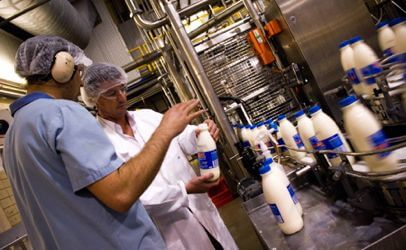
When the commercial says that I should select clean food it makes my blood boil.

At a time when all of our affluent-world food is produced with tremendous care and regulation, and 21,000 people will die today from lack of nutrition, it is disgusting to see safe food demonized in a cheap marketing gimmick.

I know the scientists that create the new varieties. I work with the folks that study ways to conserve water and limit fertilizers. I see the teams of migrant workers toil in fields, harvesting and grading crops on the fly at great speed and with endless repetition. I know the farmers that get moving before the sun is in the sky, hoping to catch more time in the field before an advancing storm. Each piece of food has a great cost in resources and substantial human effort.

Restaurant marketing should not spotlight clean food, it should promote diets of the right kinds of foods, like ensuring that fruits and vegetables are regular part of the diet. Proper nutrition in a nation suffering from the wrong kinds of nutrition needs to be a priority.

The GLP aggregated and excerpted this blog/article to reflect the diversity of news, opinion, and analysis. Read full, original post: The Deeply Offensive Marketing Ploy of “Clean Food”

Europe appears poised to overturn neonicotinoid pesticides ban

Downing St Bee Protest Jul c FoE

[Editor’s note: Matt Ridley is a columnist for the Times (UK), a member of the House of Lords and the author of “The Evolution of Everything.”]

A pesticides ban in Europe could soon be overturned on the grounds that it was based on unreliable data. Meanwhile, revelations that one of the scientists behind the ban was also involved with a nongovernmental organization that campaigns against pesticides continue to undermine the ban’s integrity.

Two European chemical companies, Bayer and Syngenta, appeared before the European Court of Justice [February 2017] to argue that the European Union should revoke a ban on neonicotinoid pesticides. “Neonics,” as these sprays are known, were introduced in the 1990s as a safer, greener alternative.

One of the advantages of neonics is that they can be used as a seed “dressing,” so that crop plants are protected from birth and need less or no spraying later. They only affect those insects that eat the crop, not innocent bystanders.

Though green activist groups claim neonics devastate bee populations, there remains much debate over how much neonic residue gets into the pollen that bees consume. But the fact remains that there has been no “bee-pocalypse.”

The GLP aggregated and excerpted this blog/article to reflect the diversity of news, opinion, and analysis. Read full, original post: Bees, Pesticides and the Activist Hive (PAY WALL)

Value of vigilant teeth brushing may be muted by genetic factors

teeth

Why do some thorough tooth-brushers develop tooth decay while other people who take a more relaxed attitude to dental hygiene don’t have any holes? Researchers from the University of Zurich have for the first time pinpointed a gene complex responsible for the formation of tooth enamel.

Two teams from the Centre of Dental Medicine and the Institute of Molecular Life Sciences used mice with varying mutations of the enamel proteins involved in the so-called Wnt signalling pathway.

“[W]e demonstrated that there is a direct link between mutations in the genetic blueprints for these proteins and the development of tooth enamel defects,” said Pierfrancesco Pagella, one of the study’s two first authors.

“If the signal transmission [in the Wnt signalling pathway] isn’t working properly, the structure of the tooth enamel can change,” said co-first author Claudio Cantù..

The hardness and composition of the tooth enamel can affect the progression of [tooth decay].

“We revealed that tooth decay isn’t just linked to bacteria, but also the tooth’s resistance,” added Thimios Mitsiadis, professor of oral biology at the Center of Dental Medicine.

[The study can be found here.]

The GLP aggregated and excerpted this blog/article to reflect the diversity of news, opinion, and analysis. Read full, original post: Mutated genes lead to tooth decay

‘Netflix for genetics’: Will DNA-based lifestyle guides become the latest health craze?

ema ixzftxk vy pnae

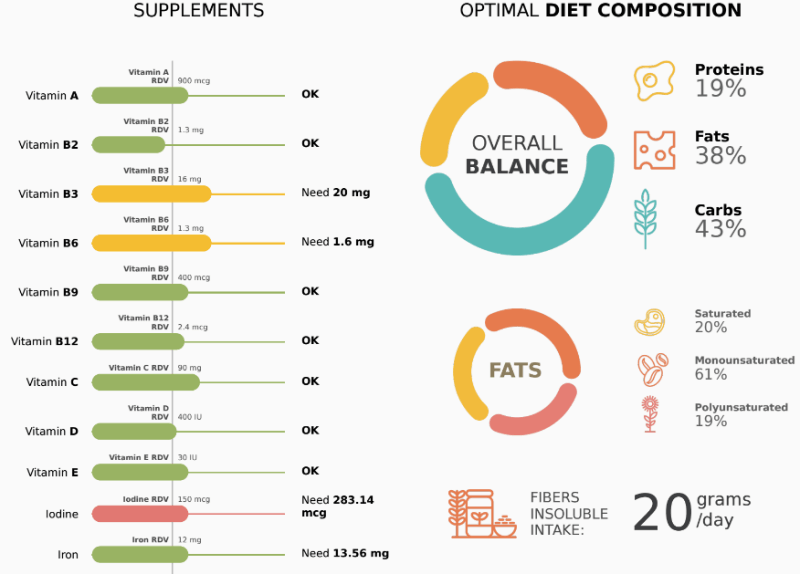
DNA Lifestyle Coach isn’t the only company hoping to turn our genetics into a lifestyle product. In the past decade, DNA sequencing has gotten really, really cheap, positioning genetics to become the next big consumer health craze. The sales pitch—a roadmap for life encoded in your very own DNA—can be hard to resist. But scientists are skeptical that we’ve decrypted enough about the human genome to turn strings of As, Ts, Cs and Gs into useful personalized lifestyle advice.

“Millions of people have had genotyping done, but few people have had their whole genome sequenced,” said Eric Topol, a geneticist at Scripps in San Diego. Most consumer DNA testing companies, like 23andMe, offer genotyping, which examines small snippets of DNA for well-studied variations. Genome sequencing, on the other hand, decodes a person’s entire genetic makeup. In many cases, there just isn’t enough science concerning the genes in question to accurately predict, say, whether you should steer clear of carbs.

DNA Lifestyle Coach joins a growing list of technology companies attempting to spin DNA testing results into a must-have product.

ltmnzgdig coeuf k
A sample of a DNA Lifestyle Coach customer’s diet recommendations provided by a customer. Credit: Gizmodo.

“It’s not going to happen overnight, but we believe that DNA will become an integrated part of everyday life,” said Helix co-founder Justin Kao. “The same way people use data to determine which movie to see or which restaurant to eat at, people will one day use their own DNA data to help guide everyday experiences.”

The GLP aggregated and excerpted this blog/article to reflect the diversity of news, opinion, and analysis. Read full, original post: The Next Pseudoscience Health Craze Is All About Genetics

Will you lose your hair? Baldness algorithm of 287 gene regions can predict your chances

hair fall baldness x
[A] recent study…has become the first to detail exactly which genes are involved [in male pattern baldness].

[A] team of researchers from the University of Edinburgh…have pinpointed 287 genetic regions associated with this form of baldness. Many of these genes…are associated with hair structure and development…while other genes associated with more hair loss were linked to shorter stature, fewer offspring, and a lower risk of bipolar disorder.

The top gene-based hit was the gene on the X chromosome encoding the androgen receptor, a DNA-binding receptor that regulates gene expression…This adds further and substantial evidence that baldness is, at least in part, influenced by the genetics of a man’s mother.

With the data on the genetic variants that led to different forms of hair loss, the scientists created a prediction algorithm to determine to what degree men would go bald. As of now, the scientists can’t confidently predict results for individuals, but they can “identify subgroups of the population for which the risk of hair loss is much higher”, lending to the belief that the algorithm will continue to improve.

[The study can be found here.]

The GLP aggregated and excerpted this blog/article to reflect the diversity of news, opinion, and analysis. Read full, original post: Gene-Based Baldness Predictor Offers Hope for the Hairless