Monsanto to fund gene editing company Pairwise Plants to develop new crop varieties

yx lfgb zcqimtbtyyat

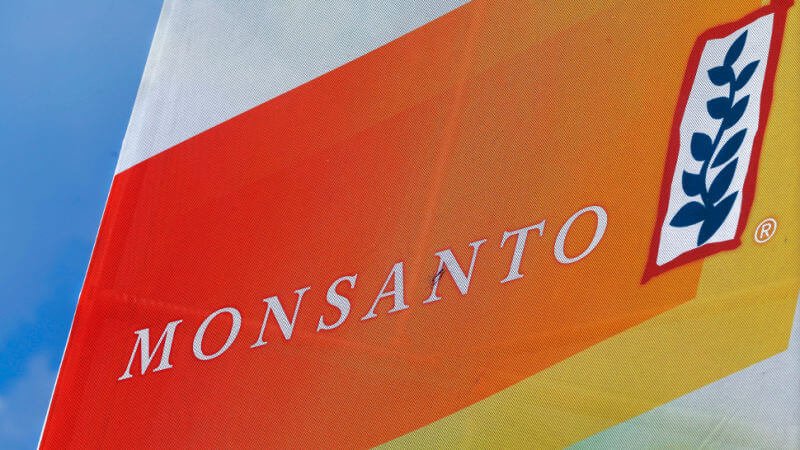
Monsanto Co. will fund a new U.S. company that aims to develop crops using technology known as gene editing, rather than the genetic modification that helped it become the world’s biggest seed seller.

Monsanto’s vice president of global biotechnology, Tom Adams, will leave the seed giant to become chief executive of the new firm, called Pairwise Plants, the companies told Reuters. He steps into the new role on April 1.

Monsanto Growth Ventures, along with Deerfield Management, … announced the it had led a $25 million financing for San Diego-based Pairwise.

The collaboration accelerates a race among agricultural scientists and companies worldwide to develop new seeds for crops using gene editing, a process they say can produce non-GMO farm products that do not contain foreign DNA from a different species.

Unlike traditional GMOs, in which a gene is added from another organism, gene-editing works like the find-and-replace function on a word processor. It finds a gene and then makes changes by amending or deleting it.

Using “molecular scissors” to cut DNA means scientists can edit genomes more precisely and rapidly than ever before, and altered agricultural products could get to market more quickly and cheaply.

Read full, original post: Monsanto backs new company focused on gene editing, not GMOs

{{ reviewsTotal }}{{ options.labels.singularReviewCountLabel }}
{{ reviewsTotal }}{{ options.labels.pluralReviewCountLabel }}
{{ options.labels.newReviewButton }}
{{ userData.canReview.message }}

Related Articles

Infographic: Global regulatory and health research agencies on whether glyphosate causes cancer

Infographic: Global regulatory and health research agencies on whether glyphosate causes cancer

Does glyphosate—the world's most heavily-used herbicide—pose serious harm to humans? Is it carcinogenic? Those issues are of both legal and ...

Most Popular

Screenshot-2026-03-13-at-12.14.04-PM
The FDA wants to make many popular prescription drugs OTC—a great idea. Here’s why it’s unlikely to happen
Screenshot-2026-05-04-at-12.54.32-PM
How Utah became the country’s supplement capital  — and a haven for unregulated, ineffective and fake products
Screenshot-2026-04-20-at-2.26.27-PM
Viewpoint — Food-fear world: The latest activist scientists campaign: Cancer-causing additives
Screenshot-PM-24
Viewpoint: The herbicide glyphosate isn’t perfect. Banning it would be far worse.
images
The never-ending GMO debate: Pros and cons
Screenshot-2026-05-01-at-11.56.24-AM
‘Science moves forward when people are willing to think differently’: Memories of DNA maverick Craig Venter
ChatGPT-Image-May-1-2026-02_20_13-PM
How RFK, Jr.’s false vaccine claims are holding up $600 million to fight diseases in poor countries
Screenshot-2026-04-03-at-11.15.51-AM
Paraben panic: How a flawed study, media hype, and chemophobia convinced the public of the danger of one of the safest classes of preservatives
Screenshot-2026-04-12-135256
Bixonimania: The fake disease scam that AI swallowed whole
Screenshot-2026-04-30-at-2.19.37-PM
5 myths about summer dehydration that could damage your health — or even kill you
glp menu logo outlined

Get news on human & agricultural genetics and biotechnology delivered to your inbox.