CAR-T gene therapy treatments may fall short of corrective goals, requiring surgical gene editing

gene therapy

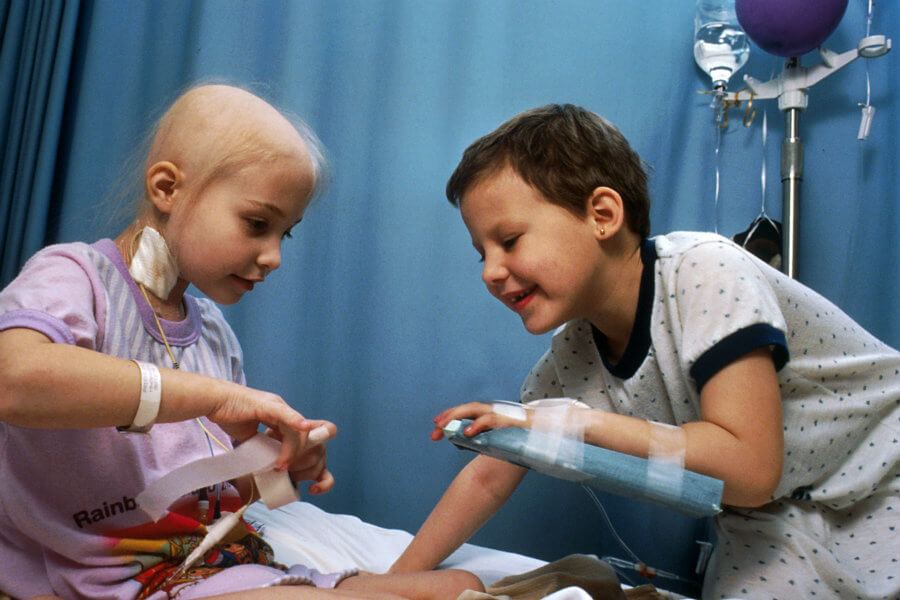
For decades, researchers, some physicians, and a few patients have had visions of treatments that would go in and fix diseases at the genetic level. Last year, those dreams took on some reality as Kymriah and Yescarta became the first FDA-approved gene therapy treatments.

But there’s a catch: Are they really gene therapy?

For a long time, gene therapy has been viewed as therapy that would fix or replace a specific aberrant gene causing an inherited condition or sparking a disease.

By that definition, Kymriah and Yescarta are not, strictly speaking, gene therapy.

For many in the field of gene therapy, the holy grail has been gene editing, which might be thought of as gene replacement surgery

One major difference between gene editing and gene transfer is that gene editing is seen as a one-time treatment. If the hopes for gene editing pan out, the healthy gene will be inserted and be expressed in a normal, healthy way like it was there all along. By contrast, CAR-T treatment may not create a permanent change to the genome. There is a distinct possibility that CAR-T treatment could require a second round of treatment.

Gene editing may be considered a higher form of gene therapy, but gene transfer is crossing the FDA approval finish line sooner, a not-minor advantage.

Read full, original post: Is CAR-T Really Putting Us On Road to Gene Therapy?

Dog DNA could be man’s best friend: Clone of gene-edited dog aids human heart disease research

puppy

With his black, brown and white fur, Longlong looks like most beagles. But the puppy has been sick with a blood-clotting disorder since birth — exactly what scientists in China had wanted.

The pup was cloned from Apple, a different dog whose genome was edited to develop the disease atherosclerosis.

With that genetic information now coded in, the disease a leading cause of stroke and heart sickness was passed along to Longlong, who scientists will use to study the condition and its possible cures.

..

Atherosclerosis, in which fatty material builds up and thickens artery walls, can cause heart attacks and strokes, and affects more than 15.8 million Americans alone. Cardiovascular diseases are the number one cause of death globally, killing 17.7 million people in 2015, according to the WHO.

To date, researchers say the dogs haven’t shown any symptoms of the disorder but they are closely monitoring their health, said Mi Jidong, General Manager of Sinogene.

The earlier method to create atherosclerosis in dogs was to force feed the animals with meals high in sugar and fat until symptoms appeared. The current technique of gene editing and cloning involves less suffering, [researcher Feng Chong] said.

[Yale director Eugene] Redmond agreed: “If anything, making better animal models more focused on the problem of interest could lead to better therapy development, [and] safer treatments, with fewer animals required.”

Read full, original post: Chinese firm clones gene-edited dog in bid to treat cardiovascular disease

Talking Biotech’s best biotechnology science stories from 2017—and what to expect in 2018

s

In 2017 we recorded 53 new episodes, including guest hosts and a great range of outstanding guests. 2018 has some interesting new edges. Kevin and Paul talk about the year in review, and the plans for the future. End of 2017 with 672,000+ downloads. Thank you for listening and for all of your support.

Follow Talking Biotech on Twitter @TalkingBiotech

Follow Kevin Folta on Twitter @kevinfolta | Facebook: Facebook.com/kmfolta/ | Lab website: Arabidopsisthaliana.com | All funding: Kevinfolta.com/transparency

Is President Trump pro-GMO?

dc trump master

“We are streamlining regulations that have blocked cutting-edge biotechnology, setting free our farmers to innovate, thrive, and to grow,” Trump told a meeting of the American Farm Bureau Federation in Nashville, Tennessee, on January 8.

He’s pro-GMO? Sounds like it. KFC-loving Trump may have been referring to how, in November [2017], his administration scrapped USDA rules that would have regulated plants created through gene-editing tools like CRISPR.

Read full, original post: Trump Just Said “Biotechnology” for the First Time in 353 Days as President

Breathe easy moms: Baby formula made from cow’s milk does not cause diabetes

drinking milk

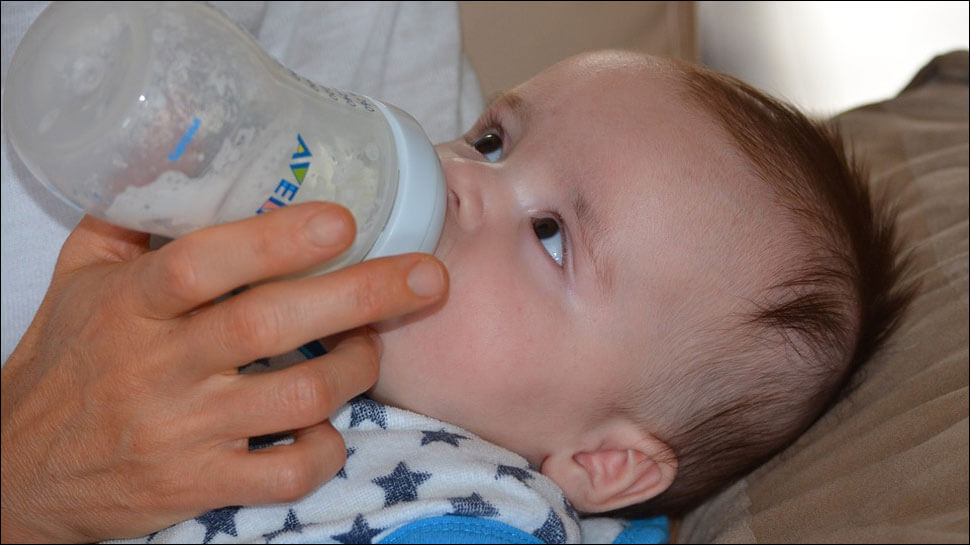
A 15-year global study of children genetically predisposed to developing Type 1 diabetes found that drinking formula made with cow’s milk did not increase such children’s risk for developing the disease.

“Previous studies have indicated that early exposure to complex foreign proteins, such as the proteins in cow’s milk, may increase the risk of Type 1 diabetes in people with genetic risk for the disease,” said one of the study’s authors, Neil H. White, MD, a Washington University professor of pediatrics and of medicine. “The question was whether delaying the exposure to complex foreign proteins will decrease the risk of diabetes. The answer is no.”

Beginning in 2002, White and his research colleagues examined 2,159 infants in 15 countries. Each infant had a family member affected by Type 1 diabetes, as well as a genetic propensity for the disease that was determined with a blood test given at birth.

Of the infants who consumed the conventional cow’s-milk formula, 82 (7.6 percent) eventually developed diabetes. For those who received the hydrolyzed-casein formula, 91 (8.4 percent) developed the disease.

“This study shows no statistically significant difference between the groups in terms of how many of these children developed diabetes; therefore, it helps provide a long-awaited, definitive answer to the controversy regarding the potential role of cow’s-milk formula in the development of Type 1 diabetes,” said White.

Read full, original post: Formula made with cow’s milk does not increase diabetes risk

Battling rhino poachers with DNA evidence

rhino

In murder investigations, DNA evidence often helps to link a perpetrator to a crime scene and put him or her behind bars. Now, researchers reporting in Current Biology on January 8 show that DNA evidence is also successfully being used to link rhinoceros horns seized from poachers and traffickers in various countries directly to the specific crime scenes where rhinoceros carcasses were left behind.

Their Rhino DNA Index System (RhODIS®) includes a chain-of-custody-compliant biosampling kit and sampling methodology. It has already been used in more than 5,800 forensic cases with links made between recovered horns, blood-stained evidence items, and specific rhinoceros carcasses in more than 120 cases.

The report highlights nine cases in which DNA matches were made and that evidence was used for the prosecution, conviction, and sentencing of perpetrators of rhinoceros crimes. One case involving three horns and tissues from two carcasses led to a sentence of 29 years.

These cases now show that forensic data resources for wildlife species that are under severe threat from illegal hunting and trafficking can be applied successfully across borders to assist in the investigation and ultimate conviction of wildlife criminals. The hope is that the increasing risk of conviction and stiff sentencing will play an important role in decreasing incentives to deal in illegal wildlife products.

[Editor’s note: Read full study]

Read full, original post: DNA evidence is putting rhino poachers behind bars, study shows

How ‘good’ bacteria can boost crop yields without pesticides or GMOs

nitrogen

In 1988, a remarkable finding illuminated a new path that agricultural scientists would soon follow in their quest to maximise crop yields. The first step was the discovery of a microbe that fixes nitrogen in the sap of sugarcane growing in Brazil. The microbe converts inert nitrogen in air to useful ammonia, explaining why sugar cane needs little nitrogen fertiliser to thrive. This was entirely unexpected; nitrogen-fixing bacteria had until then only been found in special root structures known as nodules.

For years plant scientists had tried without success to move these nitrogen-fixing nodules into cereal crops so they too could fix nitrogen from air and cut down on fertiliser use. Following the sugarcane discovery, researchers realised that if they could use this unusual microbe to fix nitrogen inside major food crops it would be a boon for agricultural industry.

Over the past decade the wider availability of DNA sequencing technology has brought to light the huge variety of bacteria within a single plant. We now know that a microbial zoo – the equivalent of the human microbiome – exists inside many different plant and tree species. And, intriguingly, the same types of microbes keep showing up.

A number of ‘good’ bacteria have now been linked to heightened resilience and yield in the face of drought, heat stress, salinity and plant disease. Inoculating crops with these could not only improve yields but also fight off disease without the need for chemicals or genetic modification.

Read full, original post: Plants’ bacterial zoos

Viewpoint: Preaching to the choir won’t win over GMO skeptics

gmo protesters signs x

Editor’s note: Robert Arnason is an agriculture journalist.

In 2017 I interviewed about 800 to 1,200 people about agriculture, agronomy, science and food.

Looking back at the responses, to probably more than 3,000 questions, one comment stands above the rest.

It came from Kevin Folta, professor and chair of the University of Florida horticultural sciences department and a well-known science communicator. Folta frequently talks about genetically modified foods and other tools of modern agriculture.

During our interview, I asked what he’s learned from hundreds of speeches and hundreds of hours spent on social media, talking to the public about GM technology and pesticides.

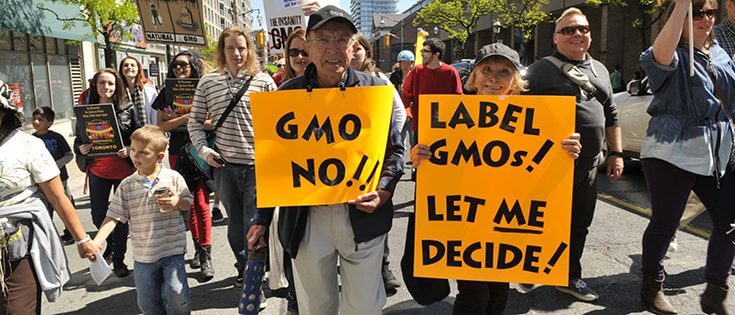
“It only took me 12 years, of really working hard to share science and give people facts, to realize that it wasn’t working,” he said. “I was able to preach to the choir. That worked great. The choir was happy … but I wasn’t reaching the people who were just concerned. The people in the middle who didn’t know, one way or the other.”

Folta’s comment reinforced what I’ve heard from other plant scientists and advocates of modern agriculture. Emphasizing “the science” to explain the safety of GM foods, pesticides or growth hormones in beef cattle is pretty much useless.

Having the science in your back pocket is necessary but it should stay there until you’ve established a relationship, emotional connection or common ground with the listener.

Read full, original post: Eating organic kale is about status

Artificial intelligence: How can we regulate without stifling innovation?

ai

Some people are afraid that heavily armed artificially intelligent robots might take over the world, enslaving humanity – or perhaps exterminating us. These people, including tech-industry billionaire Elon Musk and eminent physicist Stephen Hawking, say artificial intelligence technology needs to be regulated to manage the risks. But Microsoft founder Bill Gates and Facebook’s Mark Zuckerberg disagree, saying the technology is not nearly advanced enough for those worries to be realistic.

As someone who researches how AI works in robotic decision-making, drones and self-driving vehicles, I’ve seen how beneficial it can be. I’ve developed AI software that lets robots working in teams make individual decisions, as part of collective efforts to explore and solve problems. Researchers are already subject to existing rules, regulations and laws designed to protect public safety. Imposing further limitations risks reducing the potential for innovation with AI systems.

How is AI regulated now?

ai 1 5 18 2While the term “artificial intelligence” may conjure fantastical images of human-like robots, most people have encountered AI before. It helps us find similar products while shopping, offers movie and TV recommendations and helps us search for websites. It grades student writing, provides personalized tutoring and even recognizes objects carried through airport scanners.

In each case, the AI makes things easier for humans. For example, the AI software I developed could be used to plan and execute a search of a field for a plant or animal as part of a science experiment. But even as the AI frees people from doing this work, it is still basing its actions on human decisions and goals about where to search and what to look for.

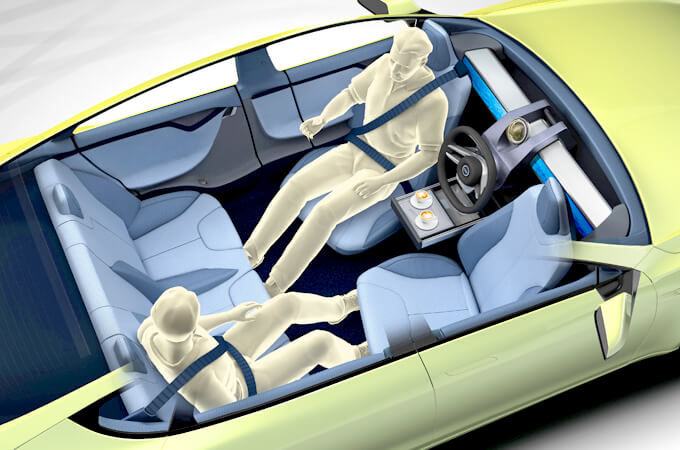
In areas like these and many others, AI has the potential to do far more good than harm – if used properly. But I don’t believe additional regulations are currently needed. There are already laws on the books of nations, states and towns governing civil and criminal liabilities for harmful actions. Our drones, for example, must obey FAA regulations, while the self-driving car AI must obey regular traffic laws to operate on public roadways.

Existing laws also cover what happens if a robot injures or kills a person, even if the injury is accidental and the robot’s programmer or operator isn’t criminally responsible. While lawmakers and regulators may need to refine responsibility for AI systems’ actions as technology advances, creating regulations beyond those that already exist could prohibit or slow the development of capabilities that would be overwhelmingly beneficial.

Potential risks from artificial intelligence

It may seem reasonable to worry about researchers developing very advanced artificial intelligence systems that can operate entirely outside human control. A common thought experiment deals with a self-driving car forced to make a decision about whether to run over a child who just stepped into the road or veer off into a guardrail, injuring the car’s occupants and perhaps even those in another vehicle.

ai 1 5 18 3Musk and Hawking, among others, worry that hypercapable AI systems, no longer limited to a single set of tasks like controlling a self-driving car, might decide it doesn’t need humans anymore. It might even look at human stewardship of the planet, the interpersonal conflicts, theft, fraud and frequent wars, and decide that the world would be better without people.

Science fiction author Isaac Asimov tried to address this potential by proposing three laws limiting robot decision-making: Robots cannot injure humans or allow them “to come to harm.” They must also obey humans – unless this would harm humans – and protect themselves, as long as this doesn’t harm humans or ignore an order.

But Asimov himself knew the three laws were not enough. And they don’t reflect the complexity of human values. What constitutes “harm” is an example: Should a robot protect humanity from suffering related to overpopulation, or should it protect individuals’ freedoms to make personal reproductive decisions?

We humans have already wrestled with these questions in our own, nonartificial intelligences. Researchers have proposed restrictions on human freedoms, including reducing reproduction, to control people’s behavior, population growth and environmental damage. In general, society has decided against using those methods, even if their goals seem reasonable. Similarly, rather than regulating what AI systems can and can’t do, in my view it would be better to teach them human ethics and values – like parents do with human children.

Artificial intelligence benefits

People already benefit from AI every day – but this is just the beginning. AI-controlled robots could assist law enforcement in responding to human gunmen. Current police efforts must focus on preventing officers from being injured, but robots could step into harm’s way, potentially changing the outcomes of cases like the recent shooting of an armed college student at Georgia Tech and an unarmed high school student in Austin.

ai 1 5 18 4Intelligent robots can help humans in other ways, too. They can perform repetitive tasks, like processing sensor data, where human boredom may cause mistakes. They can limit human exposure to dangerous materials and dangerous situations, such as when decontaminating a nuclear reactor, working in areas humans can’t go. In general, AI robots can provide humans with more time to pursue whatever they define as happiness by freeing them from having to do other work.

Achieving most of these benefits will require a lot more research and development. Regulations that make it more expensive to develop AIs or prevent certain uses may delay or forestall those efforts. This is particularly true for small businesses and individuals – key drivers of new technologies – who are not as well equipped to deal with regulation compliance as larger companies. In fact, the biggest beneficiary of AI regulation may be large companies that are used to dealing with it, because startups will have a harder time competing in a regulated environment.

The need for innovation

Humanity faced a similar set of issues in the early days of the internet. But the United States actively avoided regulating the internet to avoid stunting its early growth. Musk’s PayPal and numerous other businesses helped build the modern online world while subject only to regular human-scale rules, like those preventing theft and fraud.

Artificial intelligence systems have the potential to change how humans do just about everything. Scientists, engineers, programmers and entrepreneurs need time to develop the technologies – and deliver their benefits. Their work should be free from concern that some AIs might be banned, and from the delays and costs associated with new AI-specific regulations.

Jeremy Straub is an Assistant Professor in the Department of Computer Science at the North Dakota State University. Straub’s research spans the gauntlet between technology, commercialization and technology policy. In particular, his research has recently focused on robotic command and control, aerospace command and 3D printing quality assurance.

A version of this article was originally published on the Conversation’s website as “Does regulating artificial intelligence save humanity or just stifle innovation?” and has been republished here with permission.

Viewpoint: Misguided activism imperils potential of golden rice

greeeeen e

“Their eyes tell their sad stories as ghostly white irises give way to vacant stares. We can look at them but they can’t look back at us. They’ve gone blind because of malnutrition.,” V. Ravichandran, a farmer in Tamil Nadu, India, describing children suffering from vitamin A deficiency.

This is a dual tragedy — first, because more than two-thirds of the children referred to in Ravichandran’s commentary will be dead within a year — blindness from vitamin A deficiency (VAD) is an early sign of life-threatening debilitation — and second, because VAD could be prevented with an accessible, modern agricultural technology.

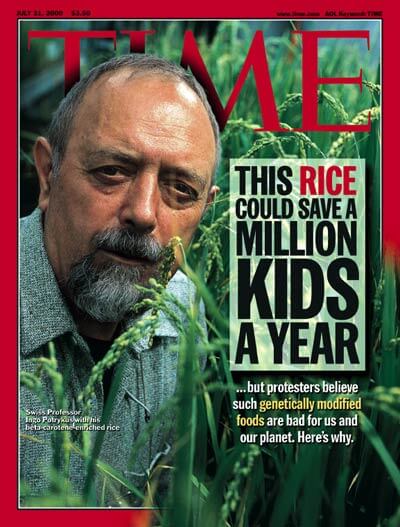
The most elegant and practical approach to preventing VAD is a group of genetically engineered rice varieties known as Golden Rice because of its color, which is imparted by the presence of beta-carotene, the precursor of vitamin A.

Rice is a food staple for hundreds of millions, especially in Asia. Although it is an excellent source of calories, it lacks certain micronutrients necessary for a complete diet. In developing countries, 200 — 300 million children of preschool age are at risk of vitamin A deficiency, which increases their susceptibility to infections such as measles and diarrheal diseases. Every year, about half a million children become blind as a result of VAD and 70 percent of them die within a year of losing their sight.

misguided 1 5 18 2In the 1980s and 1990s, German scientists Ingo Potrykus and Peter Beyer developed the “Golden Rice” varieties that are biofortified, or enriched, by the introduction of genes that enable the edible endosperm of rice to produce beta-carotene, the precursor of vitamin A. Rice plants produce beta carotene in the leaves but not in the grains, so Potrykus and Beyer inserted two genes – one from a bacterium, the other from corn — that causes beta-carotene to be synthesized in the edible part of the plant as well.

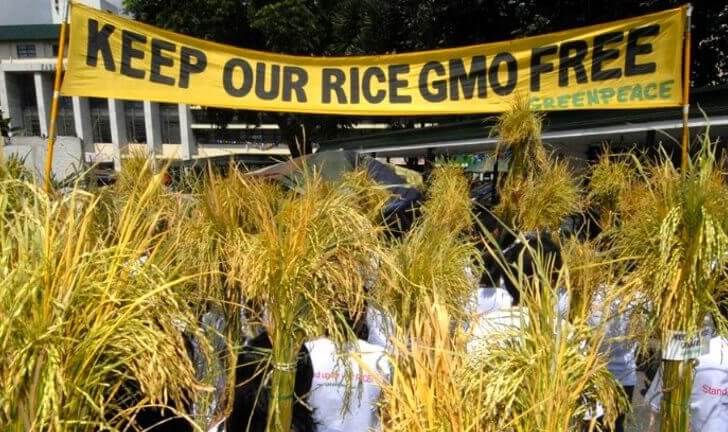
Given its ability to prevent the scourge of VAD, Golden Rice could make contributions to human health on a par with the Salk polio vaccine but irrational, self-interested, relentless opposition to the testing and widespread availability of Golden Rice has been high on the agenda of activists like Greenpeace, which makes millions per year behemoth with offices in more than 40 countries, whose PR machine is focused on denying millions of children in the poorest nations the essential food nutrients they need to stave off blindness and death.

They have intimidated government officials by fomenting grassroots opposition to regulatory approvals of Golden Rice and other genetically engineered crop varieties; and too often, regulators have dragged their feet or capitulated.

Greenpeace has fiercely opposed genetic engineering applied to agriculture from the early days of molecular genetic engineering — recombinant DNA technology, or “gene-splicing,” to produce so-called GMOs. In 1995, the organization announced that it had “intercepted a package containing rice seed genetically manipulated to produce a toxic insecticide, as it was being exported . . . [and] swapped the genetically manipulated seed with normal rice.” [I. Meister, “Uncontrolled Trade in Genetically Manipulated Products,” press release, April 7, 1995].

The rice seeds stolen by Greenpeace had been genetically improved for insect resistance and were en route to the International Rice Research Institute in the Philippines from the Swiss Federal Institute of Technology in Zurich. The modified seeds were to be tested to confirm that they would grow and produce high yields of rice with far lower applications of chemical pesticides. Greenpeace has ignored the scientific consensus about the safety of genetically engineered crops, the result of hundreds of risk-assessment experiments and extensive real-world experience. In the United States alone, more than 90 percent of all corn, soy and sugar beets are genetically engineered, and in two decades of consumption of trillions of servings of food from genetically engineered plants around the world, not a single health or environmental problem has been documented.

misguided 1 5 18 3Greenpeace has variously alleged that the levels of beta-carotene in Golden Rice are too low to be effective or so high that they would be toxic. But feeding trials have shown the rice to be highly effective in preventing VAD, and toxicity is virtually impossible because conversion of beta-carotene to vitamin A ceases when vitamin A levels in the blood rise above normal. With no rational basis for its antagonism, the organization has been forced to adopt a “fake news” strategy of trying to scare off the developing nations that are considering adopting the lifesaving products.

In a 2012 screed, Greenpeace claimed, “If introduced on a large scale, golden rice can exacerbate malnutrition and ultimately undermine food security.” Psychiatrists call this projection: The real threat to the poor and vulnerable is not genetic engineering; it’s Greenpeace and its ilk. In 2014, economists Justus Wesseler and David Zilberman calculated the impact of the delays in the regulatory approval of Golden Rice.

They found that the absence of Golden Rice in the prior decade caused the loss of at least 1,424,680 life-years in India alone. If Greenpeace’s actions were perpetrated by government officials, they would be called crimes against humanity.

Henry I. Miller, a physician and molecular biologist, is the Robert Wesson Fellow in Scientific Philosophy and Public Policy at Stanford University’s Hoover Institution; he was the founding director of the FDA’s Office of Biotechnology. Follow him on Twitter @henryimiller.

This article originally appeared in The Hill as Golden rice – a miracle tarnished by irresponsible activism and has been republished here with permission.

Treating difficult brain and breast cancers with the help of viruses

brain

New research published in Science Translational Medicine … introduced a new potential treatment for some of the most difficult to treat cancers––brain and triple negative breast cancer (TNBC). The research, published in two side by side papers, shows that viruses enhance the use of checkpoint therapy in cancer treatment.

The process of making this distinction [between self and invader] becomes difficult for immune cells because cancer cells lie in a gray area of self and non-self. In addition, cancer cells can manipulate checkpoints to avoid being attacked by the immune system. One hot field of cancer research is to tweak this system so that cancer cells are more visible or recognizable to the immune system. In doing so, the immune system can be harnessed to target cancer cells and kill them.

In both studies, the authors found that virus treatment given early, before surgical removal of the mass, alters the immune response and increases the effects of treatment with immune checkpoint inhibitors.

It is important to mention that neither breast nor brain tumors are usually treatable with these drugs. So, in essence, these findings may have opened up an entirely new treatment option for these otherwise intractable cancers. For the people with TNBC (15% of all breast cancer patients) and brain cancer, it may be a lifesaver.

Read full, original post: Viruses May Help In The Fight Against Hard-To-Treat Cancers

After 60 years, best friends find out they’re biological half-brothers

unknown brothers exlarge

Seventy-four-year-old Walter Macfarlane and 72-year-old Alan Robinson have been friends for more than 60 years. Born in Honolulu, they first met in elementary school, played high school football together and joke they could have married the same girl. They sent their children to the same schools they attended and vacationed together as families.

But it wasn’t until Macfarlane recently began using DNA ancestry tests to search for his long-lost birth father that he uncovered an even bigger surprise: Robinson is actually his biological brother.

“I knew it when we compared hairy forearms!” jokes Macfarlane.

unknown brothers exlarge“That’s true. How did we go for 60 years without knowing we were related?” adds Robinson with a chuckle. “It took those DNA tests and some really good sleuthing by our families to put it all together.”

“If you could pick a family, I think he would have picked the Macfarlanes as a family,” says Eva Robinson, Alan’s wife. “That’s how much we liked them. Our children are all Facebook friends and it’s so wonderful to see the relationships growing. You can tell the families are intertwined now.”

“It’s really a Christmas miracle,” says [Walter’s daughter Cindy] Macfarlane-Flores. “And the coolest part is that we don’t have to meet him and learn about his life, because Uncle Alan is someone we already love and admire and have looked up to our whole lives.”

Read full, original post: After 60 years of friendship, they learned they’re biological brothers

10 questions we should ask about teaching evolution

evolution

1. What do you think are the main factors that influence how effective a biology teacher is at teaching evolution?

It’s all about content knowledge. A teacher should know the definition of a scientific theory, current examples of evolution, and, as a result, have confidence when teaching the subject.

4. What type of evidence is important for students to view in a biology classroom?

It is important that they understand that there are multiple lines of evidence for evolution all leading to the same conclusion. Evidence for evolution comes from many areas, including the fossil record, the law of superposition, biogeography, artificial selection, homologous structures, vestigial organs, and genetics.

5. What techniques should be used for teaching evolution?

Make sure students understand scientific inquiry first and how science finds answers through observation, experiments, data collection, and sharing results. Try hands-on activities —and it’s very important to use modern-day examples of evolution, not just Darwin and his finches.

8. With the current administration, how do you think science education, mainly evolution, will change?

Americans are becoming more accepting of evolution. The people President Donald Trump has hired and the decisions being made (see for example Florida SB 989) will slow down this positive trend. Darwin said, “Ignorance begets confidence more often than knowledge.” People who do not know what they are talking about will make decisions that will hurt us as a nation.

Read full, original post: Ten Questions (and Answers) about Teaching Evolution

Treating the concussion epidemic: Could spit tests identify those most likely to recover slowly?

concussion

A new biomarker test using the tiniest of RNA molecules can distinguish between people who are more, or less, likely to recover quickly from a concussion.
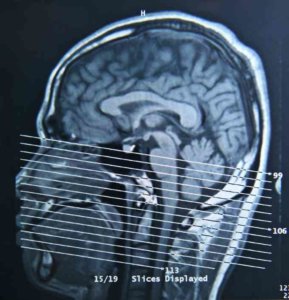
concussion 12 15 17 2A concussion, in football parlance, is akin to “having one’s bell rung.” Considered a type of traumatic brain injury (TBI ), a concussion is the sudden thrusting forward of the soft brain inside the hard skull that results from a violent whack to the head. It usually causes a brief loss of consciousness, and then difficulty thinking and recalling new information, headache, blurred vision, fatigue, irritability, poor balance, and sensitivity to noise and light. Most people recover within two weeks, though up to a third of sufferers experience prolonged symptoms. These brain injuries have received increased scrutiny in recent years following reports of long-term damage to athletes who have suffered multiple concussions.

Nevertheless, concussion symptoms persist

Lingering concussion symptoms go by several names. The Diagnostic and Statistical Manual dubs it “neurocognitive disorder due to TBI,” while the World Health Organization calls it “post-concussion syndrome.” Whatever it’s termed, in extended concussion, symptoms like headache, fatigue, and irritability ramp up, while others, such as dizziness, may appear.

The ability to predict which patients whose concussion symptoms will stick around could lead to early referrals to appropriate specialists and perhaps lifestyle changes. But studies to isolate predictive factors seem to have yielded more clues to what doesn’t matter than to what does. Among high school and college athletes, severe symptoms, amnesia, and loss of consciousness, within the first 24 hours, is associated with increased risk of PCS. Level of schooling and position on a team didn’t matter, nor did history of past concussion for sports other than football.

Rather than poking into the histories of young athletes with concussions to isolate contributing factors to their prolonged misery, Jeremiah J. Johnson, of the department of pediatrics at the Penn State College of Medicine and colleagues have found a novel type of biomarker to predict persistence of symptoms — a set of 5 microRNAs. Their findings recently appeared in JAMA Pediatrics.

Concussion is common. A study from Canada showed that 1 in 5 of 13,000 teens had had one, but a meta-analysis for the US doesn’t paint quite so dire an incidence. Whatever the numbers, the ability to identify patients destined for persisting symptoms would be of great value.

MicroRNAs as biomarkers

concussion 12 15 17 3The microRNAs are a mere 21 or 22 bases long, but they powerfully “fine-tune” gene expression by acting as “dimmer switches” that block the translation of specific messenger RNA (mRNA) transcripts into proteins.

About 2,500 types of microRNAs flit inside cells, numbering 1,000 to 200,000 and regulating at least a third of the protein-encoding genes. MicroRNA function is a complex, two-way street: a single type of microRNA has many mRNA targets, and at the same time, a single type of mRNA binds different microRNAs. Pharmacologically speaking, a microRNA’s targets can reveal pathways of protein interactions that can suggest new drug targets as well as identify an existing drug that might work.

But microRNAs don’t stay in cells, and that’s why they might make great biomarkers. They move in fleets of tiny bubbles in bodily fluids such as saliva, blood, and cerebrospinal fluid. Plus, microRNAs are hardy, staying under the radar of digestive enzymes and resisting changes in pH.

Most importantly, head pummeling immediately alters microRNA levels in the cerebrospinal fluid, which echo a day later in the blood. And microRNA levels shoot up with the degree of damage. A saliva test for microRNAs is even easier than a blood test.

New findings

Investigations of using microRNAs as biomarkers have so far focused on adults. The new study looked at microRNAs in saliva from 52 patients, aged 7 to 21 years, at the time of diagnosis of concussion and within 14 days of the head injury, checking again at 4 and 8 weeks. The researchers used a survey, called the Sport Concussion Assessment Tool (SCAT3), to evaluate 20 persistent symptoms.

concussion 12 15 17 1The researchers zeroed in on 15 microRNAs with levels in saliva that differed the most between 30 patients with prolonged symptoms and 22 with acute symptoms. Analysis of the 2,429 genes these microRNAs target indicated that they control repair of nerve cells and how the cells send and receive signals — it all makes sense.

Five of the 15 microRNAs tracked most strongly  with prolonged symptoms. Three other of the 15 miRNAs indicated specific complaints: “remembering what people tell me,” “I have headaches,” and “I get tired a lot.”

If validated, a microRNA spit test could identify children and teens at higher risk for prolonged concussion symptoms and help parents determine when it’s safe to return to school and athletic activities. And it’s easy to imagine a simple spittoon-like collection device, in school nurse medicine cabinets or on the football field, to provide a heads-up of who to watch for worsening brain damage.

Ricki Lewis has a PhD in genetics and is a genetics counselor, science writer and author of The Forever Fix: Gene Therapy and the Boy Who Saved It, the only popular book about gene therapy . Follow her at her website or Twitter @rickilewis.

 

Viewpoint: Are women instinctually attracted to dominant men?

Traits Of Alpha Males
[Anthropologist Richard Wrangham writes:] Women don’t like many specific acts of demonic males. But paradoxically, many women do regularly find attractive the cluster of qualities and behaviors—successful aggression, dominance and displays of dominance—associated with male demonism. Both men and women are active participants in the very system that nurtures the continued success of demonic males; and the knot of human evolution, with the demonic male at the center, requires an untying of both strands, male and female.

But there are a couple of problems with the sexual-selection theory of male dominance. First, the theory is poorly supported by anthropological evidence. Studies suggest that our pre-civilization ancestors, who were nomadic hunter-gatherers, were relatively peaceful and egalitarian. War seems to have emerged not millions of years ago but about 12,000 years ago when our ancestors started abandoning their nomadic ways and settling down.

And remember that women’s preference for domineering men is supposedly instinctual, rather than a rational response to a male-dominated world. The sexual-selection theory of male dominance is a form of victim-blaming. It is an especially insidious just-so story, because it feeds the male fantasy that women want to be dominated.

I fear that biological theorizing about these tendencies, in our still-sexist world, does more harm than good. It empowers the social injustice warriors, and that is the last thing our world needs.

Read full, original post: Do Women Want to Be Oppressed?

Study: Pesticide residue on food as risky as drinking one glass of wine—every 7 years

Screen Shot at PM

Relatively few studies are available on realistic cumulative risk assessments for dietary pesticide exposure. Despite available studies showing low risk, public concern remains.

The present article proposes a new method to estimate average residue levels in imported foods based on residue monitoring data and knowledge about agronomic practices. The two methods were used in combination to estimate average pesticide residue levels in 47 commodities on the Danish market. The chronic consumer exposure was estimated in six Danish diets. The Hazard Index (HI) method was used to assess consumer risk.

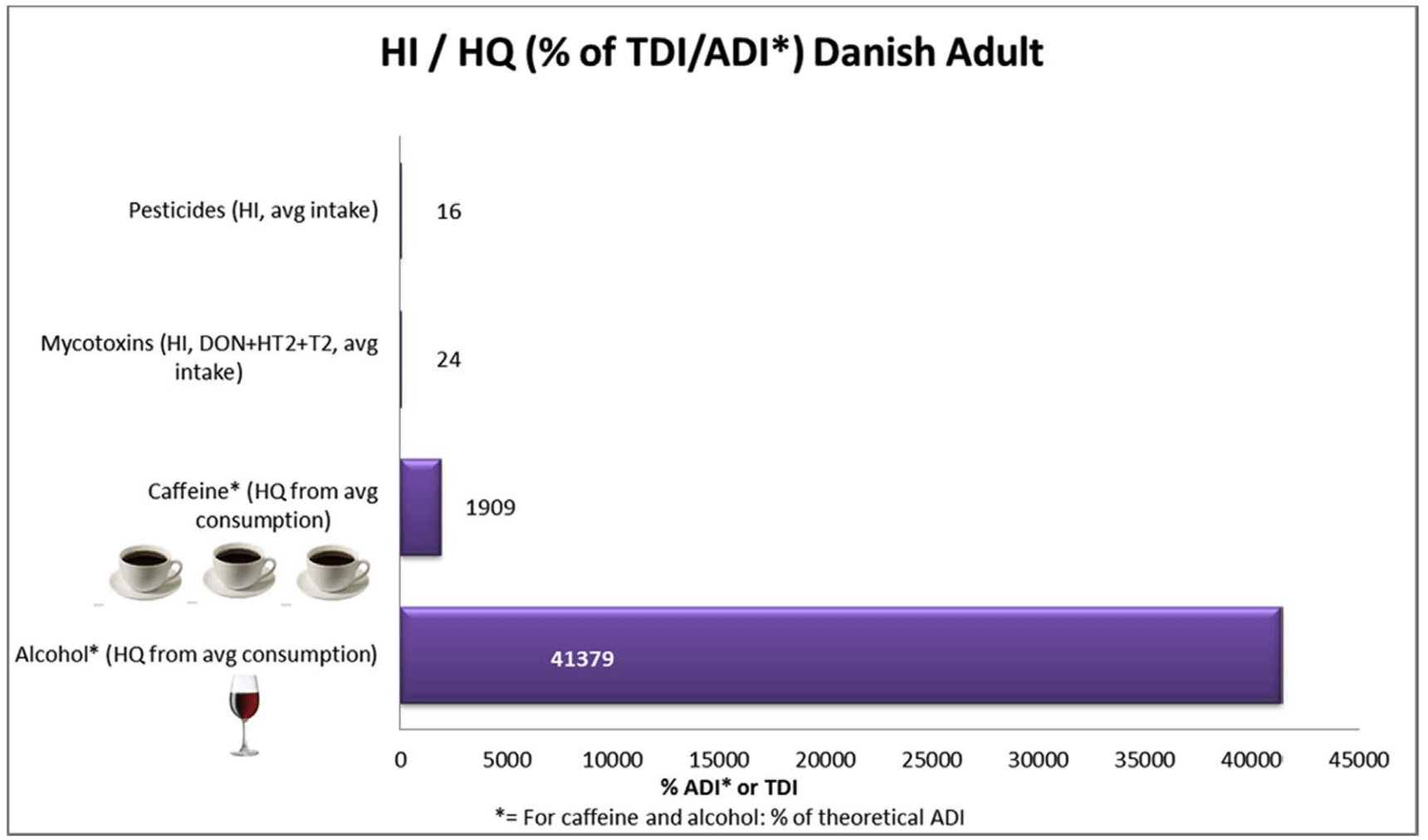
Despite the conservative (cautious) risk assessment approach, low HI values were obtained. The HI was 16% for adults and 44% for children, combining the risk of all pesticides in the diet.

Conclusion: the present study adds support to the evidence showing that adverse health effects of chronic pesticide residue exposure in the Danish population are very unlikely. The HI for pesticides for a Danish adult was on level with that of alcohol for a person consuming the equivalent of 1 glass of wine every seventh year.

Screen Shot at PM

Read full, original post: Refined assessment and perspectives on the cumulative risk resulting from the dietary exposure to pesticide residues in the Danish population

Viewpoint: Most online personality tests are scientific quackery––except maybe this one

big five personality model

While most of the personality tests shared around the internet are, indeed, bogus procrastination devices, there is a science to personality, and it’s something that researchers really can put into a quantified, testable format, said Simine Vazire, a psychology professor at the University of California, Davis.

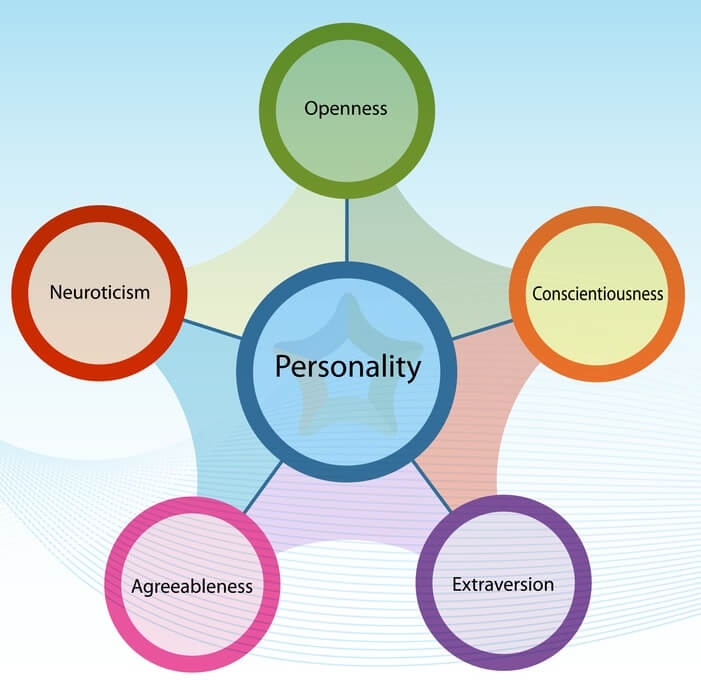
The most popular — used by the vast majority of scientists who study personality — is called the Big Five, a system that organizes personality around five broad clusters of traits: extroversion, agreeableness, conscientiousness, neuroticism and openness to experience.

The idea behind the Big Five is that everyone’s personality has a little of all five trait groups. What the test does, essentially, is tell you where you fall on the spectrum of each of the clusters.

The Big Five, [Vazire] told me, has produced results that can be shown to remain largely consistent across a person’s lifespan and that can be used to predict at least some part of a person’s likely academic achievement, dating choices and even future parenting behavior. It has also been validated cross-culturally to some extent.

Their science resolution, she said, isn’t so much to get people to stop taking personality quizzes, but to get those people who love quizzes to transfer some of that enjoyment to the Big Five.

Read full, original post: Most Personality Quizzes Are Junk Science. I Found One That Isn’t.

Fact check: Will climate change cause chocolate to go extinct in 40 years?

c k

In the waning hours of 2017, like a politician holding inconvenient news for a Friday afternoon, Business Insider published a terrifying headline: “Chocolate is on track to go extinct in 40 years.” That claim was repeated uncritically around the web as the story gained viral strength, capping a year of difficult news.

Contrary to its click-ready headline, however, the primary focus of article concerned a joint effort by scientists with the UC Berkeley Innovative Genomics Institute and the Mars candy company to create a genetically modified form of cacao — the plant used in chocolate production — resistant to the future effects of climate change and habitat loss.

Biological extinction, as implied by the headline this information was packaged in, refers to the complete and total removal of a species from the planet—a far cry from a “considerable reduction in area” reported by the IPCC.

Ingrid Parker, a professor of Ecology and Evolutionary Biology at UC Santa Cruz, told us that while climate change may make it harder to grow cocoa in Côte d’Ivoire and Ghana, other countries are capable of growing the crop as well….

Read full, original post: Is Chocolate ‘On Track To Go Extinct’ in 40 Years?

DNA testing could enable rapid response to damaging wheat stem rust

saintenac HR x

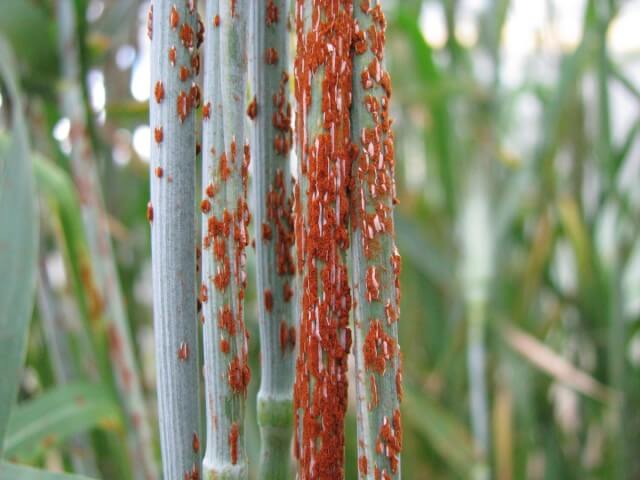
A global team led by researchers in Australia has achieved a dramatic breakthrough in dealing with stem rust, a fungal pathogen that causes widespread damage to wheat.

For the first time, agricultural scientists have been able determine what’s going on at the gene level of the rust pathogen, allowing them to quickly detect its presence in a crop so that farmers can rapidly respond to the threat with fungicides.

Previously, the testing process required greenhouse facilities and took several weeks, by which time the pathogen might have destroyed a farmer’s crop or spread to other fields. Now technicians can identify the presence of the pathogen in a matter of hours, using a DNA lab test.

Though the research has immediate benefits for farmers, it also holds the promise for greater insight into a destructive and highly adaptive pathogen that has plagued wheat farmers since perhaps Biblical times.

This new method of genetic testing will also facilitate pathogen detection in crops being grown in developing nations, which often lack access to the greenhouses required by previous testing procedures.

[Editor’s note: Read the full study (behind paywall)]

Read full, original post: Research breakthrough will help protect world’s wheat crop