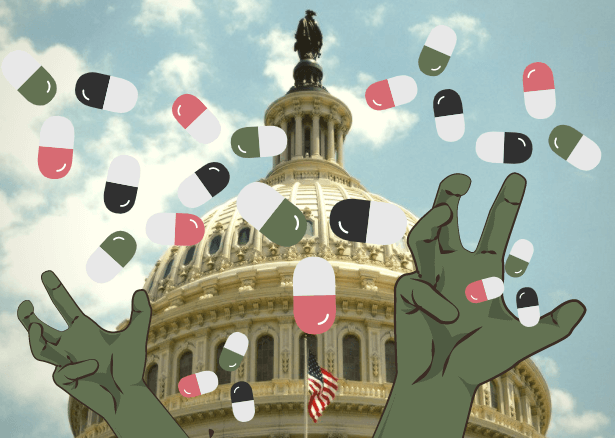
The pharmaceutical industry’s massive lobbying operation has a well-earned reputation for maintaining a united front on most of the major policy proposals that could affect drug makers and their bottom lines. But as the industry eyes the burgeoning biosimilar market, that united front is starting to crack.
For years, branded pharmaceutical and biotech manufacturers — largely represented by PhRMA and BIO — have clashed most often with generic manufacturers, largely represented by their own Association for Accessible Medicines.
Now, however, branded drug makers’ interest in biosimilar drugs — highly similar versions of biologic drugs made with living cells — are blurring the traditional lines of who competes with whom, and increasingly pitting one against another…
The new competitive landscape is changing each company’s strategy. Some manufacturers are still earning billions from the biosimilars they have on the market. They tend to advocate for policies that will make it harder for biosimilars to come to market…Others have much more aggressively pursued biosimilars — and their lobbying teams in Washington have taken positions to reflect that business stance.
…
The debate around biosimilars — and the split in the advocacy community — could have serious repercussions for Washington’s efforts to lower prescription drug prices… Biosimilars could reduce spending on biologic drugs by as much as $54 billion by 2026, according to a 2017 RAND study sponsored by a biosimilar manufacturer.
Today’s findings suggest … that the presence of labels may serve to dispel consumer concerns about GMOs by increasing their sense of control over what they are eating.
Led by Jane Kolodinsky, an applied economist in the University of Vermont’s College of Agriculture and Life Sciences, the study compared levels of consumer opposition to GMO foods in Vermont — the only US state to have implemented a mandatory labeling policy — with consumer attitudes in the rest of the country. The analysis showed opposition to GMO food fell by 19 percent in Vermont after the implementation of mandatory labels.
“Our findings put to bed the idea that GMO labels will be seen as a warning label,” said Kolodinsky, professor and chair of the Department of Community Development and Applied Economics and a Fellow of UVM’s Gund Institute for the Environment. “What we’re seeing is that simple disclosures, like the ones implemented in Vermont, are not going to scare people away from these products.”
DNA from a 22,000-year-old fossilized panda skull suggests an entirely separate lineage of giant pandas once roamed the area that is now southern China.
A cave explorer found the skull in Guangxi, a Chinese province that borders Vietnam. No giant pandas live there today—the giant panda population, which numbers fewer than 2,500, is confined to three provinces in central China. Research suggests the bears occupied large swaths of China in the past, but without DNA analysis, researchers haven’t been able to map out the entire giant panda family tree. This new work suggests some previously unknown branches.
…
After sequencing DNA that was lodged in the skull and comparing it to the genomes of modern-day giant pandas and 32 other ancient bears, the researchers found this bear from Guangxi shared a common ancestor with today’s giant pandas around 183,000 years ago. As the team outlined in their paper published [June 18] in Current Biology, this likely makes the newly discovered bears more of a parallel lineage rather than precursors to the giant pandas living in China now. And though the researchers couldn’t guess what the bear would have looked like, they know it was a plant-eater by analyzing carbon and nitrogen isotopes present in the fossil.
For more than a year, the non-governmental organization Friends of the Earth (FOE) has been trying to malign and defame Impossible Foods because we use genetic engineering to make delicious, wholesome meat, using simple plant ingredients, without the disastrous environmental impact of animal farming.
Why would a nongovernmental organization purporting to “champion a more healthy and just world” launch a smear campaign against Impossible Foods, a startup whose entire purpose is to eliminate the world’s most destructive technology?
The field of cytometry, or cell measurement—which helps doctors diagnose problems including cancer, in which cells morph into unusual forms—has long depended on the ability to sort cells into their biological components such as DNA, RNA and proteins.
…
[Physicist Sadao] Ota and his colleagues have developed a new technique they call “ghost” cytometry, which can rapidly sort many cells based on physical characteristics such as size and shape—but without the need to generate images first. They tweaked the typical cytometry setup and added a single-pixel detector—a camera that images one pixel at a time rather than thousands at once—creating a device that can generate a unique signature for fluorescently labeled cells based on the light they emit. Essentially this approach produces a “ghost” depiction of a cell’s structure, an identifiable pseudo-image based on the activated light particles.
…
Ota and his team trained a machine-learning algorithm to recognize the signatures of breast and pancreatic cancer cells, both from humans. The program was able to accurately distinguish between the two types of cells—which have similar sizes and structures—when they were mixed together and passed through the Ota team’s device at a rate of 10,000 cells per second.
…
If it takes off, [biologist Andrew Filby[ says, “it will change the field of cell sorting and cytometry permanently.”
People are getting dumber. So concludes a new study in the Proceedings of the National Academy of Sciences (PNAS): Using military conscription data from Norwegian males born from 1962 and 1991, the authors find that the secular increase in population intelligence observed throughout the 20th century has peaked and has now gone into reverse.
Average IQs, as measured on standardized intelligence tests, increased for most of the 20th century. This astonishing fact was first reported in 1984 by the New Zealand political scientist James Flynn.
..
[S]ome observers have suggested that average IQs are coming down because of dysgenic fertility—that is, because less intelligent people are having more children than smarter folks—or because of lower-IQ immigrants and their children. These trends, they argue, are now beginning to swamp the IQ-boosting effects that improvements in nutrition, education, and falling pathogen stress had during the 20th century.
…
If falling average IQ scores cannot be attributed to dysgenic or immigration effects, they must be the result of some environmental effects. But what? The researchers conclude that “our results remain consistent with a number of proposed hypotheses of IQ decline: changes in educational exposure or quality, changing media exposure, worsening nutrition or health, and social spill-overs from increased immigration.”
As George Mason University economist Tyler Cowan pithily puts it, “We have started building a more stupidity-inducing environment.”
A temporary ban by Japan on imports of Canadian wheat is the latest lesson to grain exporters that biosecurity can be taken none too seriously.
The ban has come about because a few heads of wheat found on a roadside in Canada tested positive for traits of genetic modification (GM).
Once the results were proven and appropriate notifications made, Japan cancelled the importation of Canadian wheat until further notice, in spite of clear findings from scientists that GM wheat had not made it into the food chain.
The Edmonton Journal in Alberta last week reported that Korea followed Japan’s lead and also banned Canadian wheat imports.
It’s a real-world example of the impact a biosecurity scare can have on precious trade.
Professor [Francisco] Mojica grew up near the Mediterranean port of Santa Pola in Spain, a region famous for its salt lakes and the flamingos that live in them, and one day he noticed something odd. He was looking at the bacteria that thrived in those marshes, and realised bits of DNA that were repeated many times, with regular spaces in between.
“And that was very unexpected and very amazing — and very peculiar,” Professor Mojica.
…
Professor Mojica devoted the next decade of his life figuring out exactly what these repeating structures were. Today, they are known as CRISPR, which stands for “clustered regularly interspaced short palindromic repeats”. And they are the basis of a technology that lets scientists edit genomes of everything from bacteria to humans.
…
Suddenly, scientists effectively had a cut-and-paste tool for the DNA.
“Now it is like a Google search,” Professor Crossley said. “You can search through vast genomes, actually in a test tube. And home in on the region you want, you can cut it, and you can put a new gene there, or you can change the sequence.”
…
Most scientists in the field agree someone will get a Nobel Prize for CRISPR. As Professor Mojica emphasised, there were a lot of people that came after him, and did arguably just as important work, turning his discovery into a tool.
The tortuous journey to creating food security through bio-technology has been undulating, but it is a sacrifice worth making by stakeholders who have been involved in the processes. Over the years, farmers’ productivity and profitability have continued to decline in Nigeria and other developing countries, due to several factors, ranging from frequent and deadly pest attacks on conventional crops, droughts, and climate change.
So, no news can be more cheering to them than the emergence of Bio-technology (Bt) or Genetically Modified crops with the capabilities to mitigate the adverse effects the attacks.
Genetic Modification of crops, though, a new technology, is said to have provided the most advanced way for selecting desirable traits in crops, and proven surest assurance to quick solutions to the problems of low productivity which farmers are faced with globally.
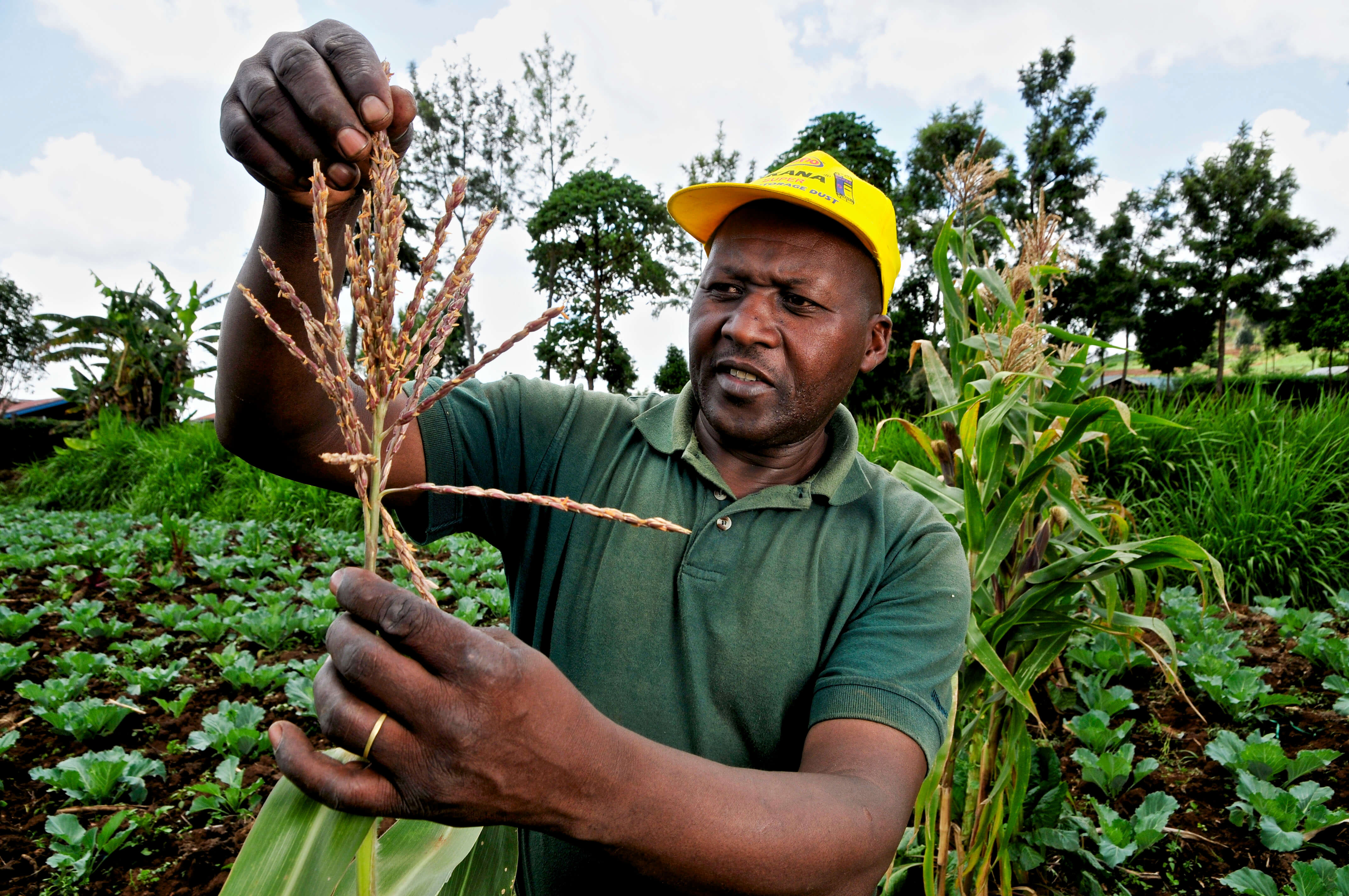
Scientists have a convergence of opinion that Biotech crops have enhanced genes that could withstand the onslaught of pesticides, drought and even the adverse effects of climate change that is swiftly changing narratives of agriculture in Nigeria and that of Sub-Saharan Africa.
Read full, original article: Biotechnology: Gateway to Nigeria’s food sufficiency
Compared with some of history’s more notable rivalries – Wellington and Napoleon, Gladstone and Disraeli, Ali and Frazier – a spat between two relatively unknown Belgian academics is hardly likely to resonate within the wider public consciousness.
But for anyone hoping to make a living from conventional farming, the events that led to the recent removal of David Zaruk from his post as adjunct professor of communications at the Université Saint-Louis in Brussels add a somewhat graver significance than one might imagine.
Prof Zaruk is better known to anyone who followed the agonising process that led to EU’s last minute re-licencing of glyphosate by his online nom-de-plume, the Risk Monger.
It would not be an exaggeration to say that he probably did more than anyone else, via his excellent blog, to expose the level to which that process was being hijacked by the anti-science lobby in Brussels.
In short, Prof Zaruk brought to light the extent to which scientific evidence that conclusively disproved the alleged carcinogenicity of glyphosate was being manipulated by NGO-funded lobbyists and academics to undermine public confidence in the safety of the world’s most widely used herbicide.
…
So, the next time you fill your spray tank with Roundup, spare a thought for David Zaruk, a true farming hero. His blog can be found at www.risk-monger.com
New, higher-quality assemblies of great ape genomes have now been generated without the guidance of the human reference genome. The effort to reduce “humanizing” discovery bias in great ape genomes provides a clearer view of the genetic differences that arose as humans diverged from other primates.
In the June 8 issue of Science, researchers report on improved orangutan and chimpanzee genomes that were built from scratch using long-read PacBio sequencing and long-range mapping technology.
…
The newest investigation provides the most comprehensive catalog of genetic variants that were gained or lost on different ape lineages. Some of these variants affect how genes are differentially expressed among humans and apes.
The researchers examined the possible influence of some of the genetic variants and gene function regulators on such areas as human and ape dietary differences, anatomy, and brain formation.
…
The researchers on this study predict that more advanced, long-range sequencing and mapping technologies, and even longer-read sequencing, will assist in increasing knowledge on the evolutionary journey taken by the great apes and our human ancestors.
…
“Our goal,” said [researcher Evan] Eichler,” is to generate multiple ape genomes with as high quality as the human genome. Only then will we be able to truly understand the genetic differences that make us uniquely human.”
This article originally appeared at Knowable Magazine and has been republished here with permission.
Chi Van Dang generally declines to discuss the science that made him famous. A leading authority on cancer metabolism, he routinely is asked to speak about how tumors reprogram biochemical pathways to help them slurp up nutrients, and how disrupting these noxious adaptations could be a powerful approach to treating cancer.
Instead, Dang uses his soapbox at every research meeting, every invited lecture and every blue-ribbon panel to advocate for something else entirely: a simple yet radical tweak to how oncologists administer cancer drugs.
The approach, known as chronotherapy, involves timing the delivery of drugs so as to minimize the side effects of treatment while maximizing the treatment’s effectiveness. The idea is to synchronize therapy with the body’s natural 24-hour rhythms — the so-called circadian clock — striking either when cancer cells are most vulnerable to assault or when healthy cells are least sensitive to toxicity (or, ideally, both).
Dang didn’t set out to become a global ambassador for this field. But as scientific director of the Ludwig Institute for Cancer Research, a nonprofit that funds hundreds of cancer labs worldwide, and chair of the board of scientific advisors at the US National Cancer Institute, he finds himself in a powerful position to reshape the research agenda — and he believes chronotherapy’s time has come.
It is not an entirely new concept. The idea of time-stipulated therapy dates back decades, with some randomized trials in the 1980s and 1990s showing dramatic reductions in toxicities and extended survival times among cancer patients treated in a clock-optimized fashion. But for the most part, “it’s just always been on the fringe,” says Dang. “There weren’t that many card-carrying cancer biologists like me getting into it.”
Until now.
The concept of chronotherapy got a major boost last year when the Nobel Prize in Physiology or Medicine went to three biologists who first uncovered the inner workings of our bodies’ daily rhythms. Scientists who study the interface of circadian biology and cancer say there’s been an uptick in interest in their work since the prize was announced last October.
But arguably, Dang’s own efforts to spread the gospel about the cancer-clock connection and its therapeutic implications have been even more important in revitalizing the field. “It’s capturing people’s interest,” he says — with a growing number of cancer researchers now beginning to explore the ways in which circadian rhythms shape tumor development.
They are finding not only new ways of administering old drugs but also clever tactics for rewiring aberrant clocks. And they are transforming a therapeutic strategy long dismissed as complementary or alternative medicine into a rigorous science.
“Time is an inconvenient truth” — one that oncologists and cancer researchers alike, Dang says, can no longer afford to ignore.
Timing is of the essence
A slender and bespectacled 63-year-old with the confident and unhurried voice of a seasoned physician, Dang cites his father — Chieu Van Dang, Vietnam’s first neurosurgeon and former dean of the University of Saigon School of Medicine — as a role model for how he approaches positions of leadership in academic medicine. His father’s death from liver cancer in 2004 remains a lasting inspiration to develop better treatments. And family, again, was a driving factor behind a fortuitous career move that prompted Dang’s recent zeal for circadian biology.
He had spent nearly 25 years on faculty at Johns Hopkins University, during which he rose through the ranks to become vice dean for research of the medical school; he figured he’d never leave. But in 2011, after his older brother Bob died of metastatic cancer of the soft tissues, Dang thought to himself: “As a medical oncologist and researcher, I need to do more.” So when the University of Pennsylvania approached him with an offer to become director of its cancer center — home to the original discovery that abnormal chromosomes can cause cancer, and where a new generation of lifesaving T-cell therapies were being developed — he jumped at the opportunity.
As luck would have it, Penn also is home to one of the largest assemblages of chronobiology researchers in the country, and Dang soon found himself chatting with — and then collaborating with — clock researchers from across the Philadelphia campus. Those interactions, he says, prompted an academic epiphany: If cancer is a disease of runaway cellular growth, and circadian rhythms are what normally keep the cell cycle in check, then disruption of the internal clock must be, as Dang puts it, a “missing link” of tumor development and growth.
Researcher Chi Van Dang is convinced that cancer treatments will be more effective and less toxic if we factor in the body’s circadian rhythms. Image credit: The Wistar Institute
The circadian clock is a complex biological circuit that controls the daily rhythms of sleep, eating habits, body temperature and many other important physiological functions. The body has a master clock in the brain and many secondary clocks in other organs, as well as individual clocks in each and every cell, all controlled by an intricate network of oscillating genes and proteins.
When the various clocks are in sync, the body operates like a well-oiled machine. But when certain clock genes are mutated or thrown out of alignment by chronic jet lag, these systems can get out of whack, creating prime conditions for tumors to grow and spread.
“If I was still in Baltimore, I would probably be working on something else,” says Dang (who last year moved his lab again, this time just half a mile away to the Wistar Institute, an independent research center on the Penn campus, where he is a professor in the molecular and cellular oncogenesis program). And by extension, if Dang hadn’t started extolling the virtues of this research to officials at the National Cancer Institute, it’s unlikely that the agency — the largest funder of cancer research in the world — would ever have lined up behind the idea. It did so last year, putting out a call for grant applications from scientists seeking to better understand how circadian processes affect tumor development and responses of patients to therapy.
According to Dan Xi, a program director at the NCI, there’s now talk of creating a “human circadian rhythm atlas” to bring systems-level understanding to the study of clock disruption in cancer, immunity, psychiatry and general well-being. “The major challenge for the field is understanding how the function and regulation of clock genes contribute to health and diseases,” she says.
Some of the first hints that a disrupted clock could lead to cancer came in 2001, when two teams of epidemiologists working with independent datasets came to the same conclusion: that women who regularly worked the night shift had an increased chance of developing breast cancer. Later studies established a link between graveyard shifts and cancers of the colon, prostate and endometrium — which prompted the World Health Organization’s International Agency for Research on Cancer in 2007 to designate night-shift work involving circadian disruption as a probable carcinogen.
Researchers now generally think that nocturnal light, by decreasing the body’s natural synthesis of the clock-regulating hormone melatonin, explains such a cancer link — which suggests that taking melatonin pills or modulating ambient lighting could help mitigate the risk among shift workers. But prospectively testing that idea would be difficult given the number of study subjects and years needed to detect a small number of cancers — and as yet, says Steven Hill, a circadian cancer researcher at Tulane University, “there are no published studies or active interventional studies” to that effect.
Cancer never sleeps
Logistically — and financially — it is far easier to do such trials for cancer treatment than for cancer prevention, and it’s here that many researchers are now focused. Earlier this year, for example, a team led by circadian biologist Satchidananda Panda at the Salk Institute for Biological Studies in La Jolla, California, described two novel drugs that target key clock components and kill several different types of cancer cells in a laboratory dish, as well as slow the growth of brain tumors in mice.
The drugs, by reawakening the circadian clock in cancer cells, seemed to block biological functions that tumors rely upon, including a garbage cleanup system that helps clear away toxic byproducts and a molecular pathway needed for fat synthesis. Importantly, the drugs had this therapeutic effect on tumors without causing any overt toxicity in the mice.
In fact, there’s even some data to suggest that resetting the clock in tumors could mitigate the side effects of cancer experienced elsewhere in the body. Cancer biologist Thales Papagiannakopoulos of New York University — his postdoc adviser called him “Chronos” given his Greek roots and academic interests — showed that lung tumor cells secrete a factor that travels through the blood to the liver, where it disrupts normal oscillatory patterns. Such effects, Papagiannakopoulos says, “could explain a lot of the symptoms of having cancer.”
For example, the liver is critical for draining blood from several organs, including the spleen, and altered liver rhythms could lead to splenic backups and congestion that shorten the lifespan of blood cells. This could account for common side effects of cancer, including anemia and leukopenia, the low counts of blood cells experienced by many cancer patients. And if something similar is happening in muscle tissues, circadian dysfunction could underpin cachexia, a devastating loss of body weight and strength that often afflicts people in the final stages of cancer.
A colored scanning electron micrograph of a lung cancer cell undergoing division. Tumors often have malfunctioning circadian clocks. Image credit: SPL / Science Source
Dang’s own therapeutics-related research has focused mainly on showing how a notorious cancer gene named MYC is involved in suppressing genes that lie at the very core of the mammalian clock, such as one called BMAL1. This perturbs the normal oscillatory cycles of molecular regulation inside the cell, and instead pushes protein synthesis into an aberrant, perpetual state of activity that drives tumor progression. This revealed a potential drug target — one that researchers at Texas Children’s Cancer Center have run with. Last year, they reported that a drug that indirectly stimulates BMAL1 activity could help blunt the growth of neuroblastoma, a cancer of the nerve tissue, both in cell cultures and in mouse models.
Dang, meanwhile, has recently turned his attention to a class of drugs that target NAMPT, an enzyme involved in both cancer metabolism and circadian feedback loops. Around 10 to 20 years ago, a handful of NAMPT inhibitors entered clinical testing. But they all caused such low platelet counts in recipients that they never progressed past early trials.
Now, working with mouse models of lymphoma, Dang’s team has found that administering these drugs at either 10 a.m. or 6 p.m. caused the same degree of tumor regression — with a key difference. Only at 6 p.m., when NAMPT expression was at its natural zenith in the liver, did the treatment cause low platelet counts in the mice. Inhibiting NAMPT at 10 a.m. caused no such problems whatsoever.
The work, which the group is retesting before submitting it for publication, has led Dang to think that chronotherapy could help salvage this promising class of new cancer drugs. “We may be interfering with liver function simply by giving those drugs at the wrong time,” he says.
Peaks and valleys
Another drug that doctors may currently be administering suboptimally is streptozocin, a chemotherapeutic agent that’s routinely used to treat a rare form of pancreatic cancer. In a paper published in 2017, Penn sleep medicine doctor Ron Anafi took reams of gene-activity data from both cancerous and healthy liver tissue, and then developed an algorithm that models all the molecular rhythms.
His analysis showed that activity levels of a gene called SLC2A2, which encodes a glucose transporter protein that shuttles streptozocin, cycled in a daily fashion in normal liver cells. Together with John Hogenesch, a chronobiologist at Cincinnati Children’s Hospital Medical Center, he then showed that administering streptozocin to mice at the nadir of SLC2A2 expression, when levels of streptozocin’s gatekeeper protein are low, minimized drug toxicity.
Anafi and Hogenesch hope to eventually test this time-optimized treatment schedule for streptozocin in patients with pancreatic tumors. At the moment, though, there is only one chronotherapy trial running in the United States(unlike in Europe and Asia, where these kinds of studies are more common). It’s happening at the Washington University School of Medicine in St. Louis, where neuro-oncologist Jian Campian and her colleagues have enrolled 30 people with brain cancer and given them a standard chemotherapy drug called temozolomide either at 8 a.m. or 8 p.m.
So far, says Campian, it looks as if the side effects of the drug are far worse when people take their pills in the morning. It’s too early to say anything conclusive, although animal studies from Campian’s collaborators, Erik Herzog and Joshua Rubin, suggest that the drug should work best when activity of the core clock regulator BMAL1 is highest in the tumor cells.
That would imply that the 8 p.m. dosing strategy will work better than the 8 a.m. one, at least on average. But, as Herzog points out, “people are different from each other.” We have something called a chronotype that, at its most basic level, determines whether someone is a morning person or an evening person, and that will probably affect individual responses to drugs like temozolomide.
Ideally, says Herzog, the timing of treatments would be finely tuned to a patient’s unique chronotype, and thus to the peaks and crests of their internal molecular activity. “This might end up being the ultimate personalized medicine,” he says.
But measuring something like BMAL1 activity in a tumor is no small task. It’s invasive (one has to obtain the tumor samples), expensive and unfeasible to do routinely, in real time and for many patients. In search of an easier way, a research team at Northwestern University has a 30-person pilot study looking for genomic indicators of clock status in blood and saliva.
Yet most clock researchers have settled on tracking cruder measures like skin temperature and wrist actigraphy to get a rough estimate of whether the body is in its activity or rest phase. Those are imperfect proxies, acknowledges Francis Lévi, a luminary in the field of chronotherapy from the University of Warwick in the United Kingdom. “We still need to identify better biomarkers to personalize chronotherapy.”
Even if there were an ideal biomarker, there’s still the problem of the medical system being designed around a standard working day. It’s not built to administer drugs at off hours — and there’s little financial incentive for change. So rather than bend the system to the needs of the patient, it might be easier to bend the circadian clock to the needs of the system. This may be possible simply by time-shifting eating, sleeping, exercise habits or ambient lighting to get a patient’s biological rhythms in sync with the business hours of a chemo ward.
Or perhaps the tumor’s clock itself could be reprogrammed. In a study published in 2017, Silke Kiessling, a circadian biologist who conducted the work as a postdoc at McGill University in Canada, showed that injecting tumors in mice with a steroid drug called dexamethasone reset genes like BMAL1 and induced rhythmicity in the cancer cells. Conceivably, that means a patient could take a shot of steroid a few hours before treatment so that, no matter when therapy is scheduled, that patient gets the benefit of chronotherapy without the inconvenience.
“This could be applicable for any kind of cancer you can reach with a needle,” says Kiessling, now at the Technical University of Munich in Germany. She is also thinking about making an aerosolized formulation for extending the strategy to lung cancer. “I’m more than confident that this could work, even in humans.”
Bedtime routine
For now, most of the human data come from anecdotal reports like those of Joe Kuna, who was diagnosed with metastatic colon cancer in 2014 and given two to five years to live. Four years on, the 61-year-old has beaten back a tennis-ball-size tumor in his colon and 15 lesions in his liver. Kuna, who runs a family-owned bowling alley in Johnsburg, Illinois, opted to undergo chronotherapy at the nearby Block Center for Integrative Cancer Treatment.
“We still need to identify better biomarkers to personalize chronotherapy.”
Francis Lévi
For the better part of two years after his diagnosis, Kuna would arrive at the center every other Tuesday, usually some time between 1 p.m. and 3:30 p.m., for his dose of oxaliplatin. Since different anticancer drugs kill cells in different ways, “each drug has a window of time” when it works best, says oncologist Keith Block, medical director of the clinic in Skokie, Illinois — and oxaliplatin, according to Block, seems to work best in the afternoon.
Kuna would sit in the cubicle with the palm tree painted on the wall and eat his tuna fish sandwich while the intravenous medication dripped into his veins through a port implanted over his right nipple.
Another one of the drugs in Kuna’s chemotherapeutic cocktail, fluorouracil, is considered more of a nighttime agent — which meant Kuna had to take home a special pump, about the size of a paperback novel, that he could carry around in a fanny pack or leave on the mattress next to him in bed. The pump was programmed to kick in at 10 p.m., initially as a slow trickle. The flow would ramp up until 4 a.m. before dialing back down again and finishing up at 10 in the morning.
If you ask Kuna, this unusual drug regimen, plus the diet he followed and supplements he took as directed by the clinic, is the reason he’s alive today. “I truly believe it’s why I’m still here,” he says. And although a scan from January 2018 revealed two new cancerous spots in his liver, Kuna is confident that, with surgery and more chronotherapy, he could be cancer-free once more. Doctors removed the tumors on April 26.
But there’s no proof, without controlled trials, that the therapy as Kuna received it made a difference. Notably, of the other patients whom Kuna befriended at the Block Center, none is alive today. Most chronotherapy strategies now in place are based on a limited understanding of clock biology — which frustrates experts like Dang.
“We really want to provide the mechanistic basis of why you treat at a certain time of day,” Dang says, “and not just rely on trial and error.”
It’s defining why those little tweaks to common drug regimens improve patient outcomes that captures Dang’s imagination as he stares out the window of the Amtrak train on his semiweekly commute from Philadelphia, where he lives and runs his lab, to New York, for his office job at the Ludwig. Just as a small career move reshaped his own research agenda, “it could be,” he says, “that simple adjustments make a big difference for patients.”
Knowable Magazine is an independent journalistic endeavor from Annual Reviews.
Elie Dolgin is a science writer in Somerville, Massachusetts. Follow him on Twitter @ElieDolgin
Rachel Carson, who launched the modern environmental movement with her 1962 book “Silent Spring,” was a highly private person. But on one occasion she allowed an interviewer to ask, “What do you eat?” Her sardonic answer: “Chlorinated hydrocarbons like everyone else.”
Carson was referring to a family of chemicals used for insect control that included DDT, the principal target of her book. Even though Carson tragically died of cancer just 18 months after publication of “Silent Spring,” her best-seller had powerful and lasting effects. Congress moved to create a new federal Environmental Protection Agency in 1970, and two years later that agency banned DDT for agricultural use.
Did “Silent Spring” also launch our modern organic farming movement, as many organic advocates and businesses often suggest? Actually, no. That movement began in Austria in 1924, led by a mystic philosopher named Rudolf Steiner. Organic farmers use no synthetic chemicals at all, but Carson found this approach needlessly strict. In my research, I learned that she favored a restrained use of pesticides, but not a complete elimination, and did not oppose judicious use of manufactured fertilizers – which are prohibited in organic farming.
As a scholar focusing on food and agricultural policy, I respect Carson’s careful distinctions regarding agricultural chemicals. By not making these distinctions, I believe the organic farming movement has constrained its own potential not just to expand, but also to benefit the environment.
When “Silent Spring” became a sensational best-seller, advocates for organic farming were torn at first over how to respond. The leader of America’s organic farming movement at the time was J. I. Rodale, publisher of a magazine he had founded, called Organic Farming and Gardening. Rodale was jealous of Carson for having made such a splash criticizing DDT in 1962, since he had made roughly the same case 20 years earlier in the second issue of his magazine, but to little notice. He also chided Carson for not taking on chemical fertilizers as well as pesticides.
Rodale’s son Robert, who was editing the magazine in 1962, shared his father’s view that Carson was not fully on board with strict organic rules, but couldn’t resist trying to depict her as a supporter. He called her book a “masterpiece” and described her as presenting “the organic point of view.”
Carson, however, intentionally distanced herself from the organic community. She refused to speak before organic groups, and on one occasion even canceled out of an event after learning J. I. Rodale had been booked on the same panel without her approval. Carson considered Rodale, who had no scientific training and very few scientific instincts, to be “an eccentric.”
This he was. Rodale had once raised doubts about the value of the Salk polio vaccine, pushing for a dietary cure instead, and had argued that drinking artificially softened water would cause cancer. When researching her book, Carson did correspond with some followers of Rudolf Steiner, who shared incriminating evidence they had gathered on DDT, but she did not acknowledge their help in her book.
Synthetic fertilizer boosts food production
The organic farming movement was suspect in Carson’s eyes because most of its early leaders were not scientists. Steiner, the first prominent advocate for renouncing manufactured nitrogen fertilizers, was a mystic who believed in human reincarnation, the lost world of Atlantis, and an earlier lost continent named Lemuria.
Carson, who earned a master’s degree in zoology from Johns Hopkins University, disliked the nonscientific absolutes embraced by the organic movement. Instead she favored the central tenet of toxicology: It is the dose that makes the poison. In “Silent Spring” she framed her position on pesticides this way: “The ultimate answer is to use less toxic chemicals so that the public hazard from their misuse is greatly reduced.” When Carson testified to Congress in 1963, she said, “I think chemicals do have a place.”
Carson rejected the organic proscription against synthetic nitrogen fertilizer for good reason. Interdisciplinary scholar Vaclav Smil of the University of Manitoba has estimated that without nitrogen fertilizer, 40 percent of the increase in food production achieved in the 20th century could never have taken place. Smil also has shown that for at least a third of humanity in the world’s most populous countries, the use of nitrogen fertilizer made the difference between an adequate diet and malnutrition.
Farming without nitrogen fertilizer, using things like composted animal manure instead, makes growing food far more expensive. This is one of the reasons why organic salad mix costs on average 60 percent more than a conventionally grown mix; organic milk, 72 percent more; and organic eggs, 82 percent more. These high prices, in turn, explain why organic food sales make up only 5.3 percent of total food sales in the United States today, and why certified organic cropland makes up less than 1 percent of total cropland
Environmental progress without organic
Despite the small size of the organic sector, pesticide and fertilizer use have long since stopped growing in the United States, even as crop production has continued to increase. Total insecticide use peaked in 1972 and has fallen by 82 percent since then. Fertilizer use initially peaked in 1981, and applications have remained essentially flat for more than three decades now, even as total crop production has grown by 44 percent. Our stunted organic sector did not bring us these benefits. When it comes to reduced insecticide use, the credit goes to Rachel Carson.
To be sure, farm fertilizer runoff is a serious threat to water quality today. The National Oceanic and Atmospheric Administration reported in 2017 that the dead zone at the mouth of the Mississippi River had grown to cover an area of 8,776 square miles, the largest ever recorded in 32 years of monitoring. But I believe the solution has to come from continued improvements in conventional farming, such as planting more buffer strips between fields and waterways to trap chemical runoff. Most commercial farmers will not accept the unrealistic organic approach of switching to zero use of manufactured fertilizers.
Scaling up organic production could actually harm the environment, since it would require so much more land per bushel of production. USDA survey data in 2014 revealed that output per acre on organic farms was on average only 80 percent of conventional yields. This means that if the United States had raised all of its crops organically in 2014, we would have had to cultivate an additional 109 million acres of land – an area equal to all parkland and wildland area in the lower 48 states combined. The result would be a different kind of silent spring, caused not by chemicals but by needless destruction of wildlife habitat.
Robert Paarlberg, Adjunct Professor of Public Policy at Harvard University, is an independent scholar and consultant specializing in global food and agricultural policy.
This article was originally published at The Conversation as “Would Rachel Carson Eat Organic?”and has been published here with permission.
The National Institutes of Health recently launched the All of Us Research Program to create one of the largest, richest public resources for biomedical research in human history. Its mission is to accelerate medical breakthroughs that personalize prevention, treatment, and care for all Americans. As the director of this unprecedented program — and as a cancer survivor, patient advocate, and participant in more than a dozen research studies — I want to share how we are safeguarding participant confidentiality and personal data.
…
[O]ur key privacy protections include removing obvious identifiers from data, encrypting all data, and storing it within secure commercial cloud platforms. No vendor, consortium partner, or researcher can copy or sell this data.
…
We use best-in-class security technologies and continuously test and monitor our systems, even with innovative approaches like using friendly “white hat” hackers to attack our systems and help improve any weaknesses they find.
…
I trust our systems with my health data, knowing full well that no system is invulnerable. But to me, that small risk is vastly outweighed by the huge potential benefits from All of Us. Perhaps we will learn to prevent chronic pain, find better ways to treat or even prevent diabetes, slow or stop dementia, or find “first time” cures for new cancer patients.
Finless Foods – one of a new wave of start-ups in the rapidly heating-up cultured fish arena – has raised $3.5m in a seed round that cofounder and CEO Mike Selden says will “bring us to the end of our initial R&D phase, meaning we’ll have the tools necessary to move into production pending the closing of a Series A.”
In a post on medium, Selden said the round – led by Silicon Valley-based VC rm Draper Associates – had been completed….
…
“The opportunity this money gives us to perfect our science and create delicious, safe, and healthy food is genuinely exciting to our entire team. We’ve already dramatically lowered cost and secured precious cellular material that will push us into rapid commercialization within years, not decades.”
…
As for the GMO factor, he said: “We’re not GMO [according to the ‘bioengineered’ definition enshrined in the federal GMO labeling legislation – not yet in force GMO]; we use genetic engineering in the creation of the growth factors used in our growth medium, but the proteins are not present in the final product.”
23andMe offered to genetically test undocumented migrants. Fortunately, some smart people said “no, thanks.”
…
RAICES Texas, one of the biggest nonprofit organizations that has been raising money and providing legal support to these refugee and immigrant families [separated at the border in recent enforcement actions], decided Monday [June 25] to turn 23andMe and MyHeritage away, according to KQED.
There’s no question that Spier, 23andMe, and MyHeritage had good intentions (though they surely also saw the chance at the public relations move of a lifetime). But, as publications like The Verge and USA Todaynoted, the project came with far more probably-unintended dangers. Because it means compiling a genetic database of asylum seekers and other immigrants who were separated from their families upon entering the U.S. and are desperate to find their families again.
Collecting this genetic information would give these companies — and the government, if the records were subpoenaed — the ability to trace these families for purposes far beyond reuniting parents with children. It would create a store of private information about migrants that could be devastating if leaked or sold.
…
While many surely thought genetic tests would be an elegant solution to a particularly upsetting problem, this is a rare case in which people have thought through the bioethical implications of their plans before moving ahead with them and making everything worse.
Vitamin A deficiency (VAD) continues to be a major public health concern worldwide. It is estimated that 250,000–300,000 vitamin A-deficient children become blind every year, with half of them dying within a year after getting blind.
Here at home, not only are we not making progress, the problem is getting worse. VAD incidence among children increased from 15.2% in 2008 to 20.4% in 2013. According to the UNICEF study on the Economic Burden of Malnutrition in the Philippines (2016), there are 1,840 childhood deaths per year due to VAD.
Clearly our current programs to eliminate VAD by promoting production and consumption of vitamin A-rich fruits and vegetables, distribution of vitamin A capsule supplements and mandatory vitamin A fortification of vegetable cooking oil are not enough.
Another complementary way to increase vitamin A intake is by biofortification of foods vulnerable populations regularly consume. This is accomplished by enriching the beta carotene (pro-vitamin A) content of foods by conventional plant breeding and/or by use of modern transgenic methods (GMOs).
…
Scientists at the International Rice Research Institute (IRRI) and the Philippine Rice Research Institute (PhilRice) have incorporated these beta carotene genes from yellow corn into our popular varieties (baptized as Golden Rice). And now Golden Rice is ready for formal assessment for food and feed safety, for bio-efficacy, and finally for field testing in farmers’ fields. Applications are now pending since last year with the Bureau of Plant Industry (BPI) of the Department of Agriculture (DA).
Editor’s note: Emil Q. Javier is a Member of the National Academy of Science and Technology (NAST) and also Chair of the Coalition for Agriculture Modernization in the Philippines (CAMP)
The genetically modified organism (GMO) debate remains engulfed in a maelstrom of controversies. Sadly, what is largely a First-World debate continues to increasingly hurt poor farmers in the developing world.
While sharing knowledge about developments in modern biotechnology and biosafety around the globe, I have had an opportunity to interact with all cadres of society. What still baffles me is the amount of fear perpetuated about genetic modification in agriculture.
This is despite biotech crops having been in the market and in our food chain for more than two decades. By 2016, for example, 185.1 million hectares of biotech crops — more than the total arable land of China or the United States — were grown.
Opinion on the actual benefits of biotech crops is sharply divided, even as experts and farmer testimonials affirm the facts. So, recently, I posed and asked myself, who exactly is afraid of GMOs, and why?
The top four reasons I came across were: Fear of multinationals’ control of our food supply; farmer exploitation; trade-related concerns; and long-term effects. An examination of those behind the fear revealed interesting realities.
Editor’s note: Margaret Karembu is director of International Service for the Acquisition of Agri-biotech Applications (ISAAA) AfriCenter and chair of the Open Forum on Agricultural Biotechnology (OFAB) – Kenya Chapter
[In 2000] geneticists were running a sweepstake on how many genes humans have, and wagers ranged from tens of thousands to hundreds of thousands. Almost two decades later, scientists armed with real data still can’t agree on the number—a knowledge gap that they say hampers efforts to spot disease-related mutations.
The latest attempt to plug that gap uses data from hundreds of human tissue samples and was posted on the BioRxiv preprint server on 29 May. It includes almost 5,000 genes that haven’t previously been spotted—among them nearly 1,200 that carry instructions for making proteins.
…
But many scientists say they need more evidence to be convinced that the list is accurate. Adam Frankish, a computational biologist at the EBI who coordinates the manual annotation of GENCODE, says that he and his group have scanned about 100 of the protein-coding genes identified by Salzberg’s team. By their assessment, only one of those seems to be a true protein-coding gene.
…
Having an accurate tally of all human genes is important for efforts to uncover links between genes and disease. Uncounted genes are often ignored, even if they contain a disease-causing mutation, Salzberg says. But hastily adding genes to the master list can pose risks, too, says Frankish. A gene that turns out to be incorrect can divert geneticists’ attention away from the real problem.