In an unusual step, the Food and Drug Administration withdrew a draft guidance that was issued last fall to help companies develop biosimilar medicines that resemble brand-name biologics.
By doing so, the agency acquiesced to concerns expressed in recent months by companies over some of the recommendations that were made for concocting a biosimilar, which is a nearly identical variant of a biologic medicine and is expected to provide the same result in patients.
At issue were debates over such weedy topics as the statistical approach to achieving similarity to biologics and the number of samples needed to evaluate and confirm similarity over time. This is important because brand-name companies sometimes modify their own processes, which can pose significant challenges for biosimilar companies.
…
In explaining its move, the FDA conceded different approaches are needed. But on a broader scale, the withdrawal reflected hopes of spurring faster biosimilar development. The key reason is that biosimilars are forecast to save the U.S. between $27 billion and $58 billion in health care costs by 2021, according to IQVIA Institute for Human Data Science, the market research arm of IQVIA.
…
Going forward, the FDA intends to issue future draft guidance that will “reflect state-of-the-art techniques” for evaluating analytical data that can demonstrate a biosimilar is, in fact, highly similar to a brand-name biologic medicine.
Ateam of researchers has cleverly combined synthetic biology, recombinant DNA technology and microbiome manipulation to fashion a novel targeted treatment for chronic constipation and irritable bowel syndrome with constipation (IBD-C), using humanized mice.
Worldwide about 15 percent of people suffer from constipation. Passing dry, compacted stools can be quite painful, but eating more fruit, drinking more water, and/or taking laxatives – common advice from friends and physicians alike – can lead to frustration rather than relief. And drugs such as linaclotide (Linzess) and plecanatide (Trulance), and even probiotics don’t work for everyone because our gut microbiomes (the bacteria in our stomachs and intestines) differ.
A few novel approaches are on the horizon, according to Clinicaltrials.com, including new laxatives, acupuncture, reflexology, Chinese herbs, and a Brazilian tea brewed from fruits of green anise and fennel and flowers of senna and elder tree. Old remedies are given new names, like “Movicol.” It’s just sodium bicarb stabilized with the laxative polyethylene glycol (PEG), which is the infamous elixir taken the night before a colonoscopy. It works.
Other experimental strategies are more invasive. “Interferential therapy” zaps the abdomen with four electrodes, and is performed at home for an hour a day for two to three months. Another is a “vibrating capsule,“ presumably inserted into the anatomical area of concern. In another clinical trial, 100 people are testing “perineal self-acupressure,” massaging the anal area to break up and mobilize the stool. And fecal transplants are being tested too.
But a fecal transplant seems the opposite of precision medicine: receiving trillions of bacteria from someone else, each microbial species exuding its own smorgasbord of biochemicals. Although the approach is both ancient and effective, with such a mixed bag of ingredients, evaluation is largely empiric – it helps or it doesn’t, to treat recurrent Clostridium difficile infection and several other indications in clinical trials.
Biotech harnesses tryptamine
Purna Kashyap, M.B.B.S., associate director of the Mayo Clinic Center for Individualized Medicine and his colleagues sought to harness a specific molecule, tryptamine, to loosen stool and speed its transit from inside to outside. “Our goal with this research is to find treatments that act only in the GI tract without creating problems in other parts of the body,” he said. The work is published in the June issue of Cell Host & Microbe, including a video.
Tryptamine is abundant in human and mouse feces. It’s broken down from the amino acid tryptophan by enzyme action, but its precise role in the intestinal lining wasn’t known. It was known, though, that tryptamine binds receptors for the neurotransmitter serotonin. This makes sense, because the two are related – tack an OH group (an oxygen and hydrogen) to tryptamine and it becomes serotonin (aka 5-hydroxytryptamine). But tryptamine binds only the serotonin receptors in the digestive tract. In the past, candidate drugs to treat IBS-constipation have failed because they also bound receptors in the heart, causing side effects. Serotonin receptors also dot brain neurons and smooth muscle cells. Specificity is key to a successful drug.
The researchers used “human microbiota-associated mice” whose microbiomes are replaced with a human version, via feces. Then they introduced a synthetic version of the gene that encodes the enzyme (tryptophan decarboxylase) that converts tryptophan to tryptamine in a bacterium (Ruminococcus gnavus) found in the intestines of about one in 10 people.
The genetic code is the correspondence between RNA triplets and amino acids. Its universality makes biotech possible.
A synthetic biology tool, codon optimization, tweaked the gene’s DNA sequence to make its transcription into RNA and then translation into protein more efficient. A codon is a three-base sequence of messenger RNA that is translated into a specific type of amino acid. But the genetic code – the correspondence of mRNAs to amino acids – is redundant. For example, four codons – CCA, CCC, CCU, and CCG – each encode the amino acid proline. But the differences in that third variable position affect the shape of the RNA in ways that regulate the rate at which the protein is produced. Synthetic biology selects the codons that maximize protein output. It’s a little like having four synonyms for a word, one of which is clearer than the others.
Getting back to the bacteria that actually carry out the work, the one from humans is difficult to engineer, so the researchers transferred its codon-optimized gene to a more tractable second type of bacterium (Bacteroides thetaiotaomicrontps) that lives in human and mouse guts. The recombinant second microbe indeed pumped out tryptamine, in culture and in mice. The researchers observed this in several ways.
They tracked the movement of water and ions across the epithelial lining of sections of isolated mouse intestine using a device called an Ussing chamber. And they observed the revved up intestinal activity in organoids, which are bits of mouse intestine growing in a dish. The mice themselves confirmed the effects of the tryptamine – their feces were moister and more frequent.
Dr. Kashyap summarize, “In this study, we found tryptamine can activate a receptor in the mouse gut that normally responds to serotonin, causing increased secretion of fluid from the lining of the colon. Bacteria can direct the colon to secrete water via tryptamine acting on a host receptor in mice. This accelerates the movement of food through the digestive system.”
The approach seems safe. The tryptamine promptly degrades in the intestine and doesn’t appear in the bloodstream, reducing risk of side effects outside the gastrointestinal tract. The bacteria would be delivered in a swallowed capsule, Dr. Kashyap said. A fecal transplant may still have a bit of an image problem.
Mis- and disinformation are distorting science and public policy. Subscribe to our Daily and Weekly Digests for incisive coverage of ‘disruptive’ innovations in AI, agricultural biotechnology, food, chemicals, nuclear energy, vaccines, and other disruptive innovations.
The gene behind the new approach to constipation originates in R. gnavus bacteria.
Next steps
If the findings are verified, a clinical trial wouldn’t likely get underway for at least three years, Dr. Kashyap said. And developing tryptamine into a pharmaceutical will require careful investigation because of mind-altering effects of its chemical cousins the monoamine alkaloids, which include in addition to serotonin the day/light regulator melatonin, psilocybin of “magic-mushrooms” fame, and the psychoactive ingredient of ayahuasca, a South American brew made from certain vines. Tryptamine is also related to the triptan class of migraine meds and LSD.
Even small amounts of tryptamine taken recreationally can be dangerous or deadly, especially because it’s not included on most panels that hospitals use to test for drugs of abuse. But the microbial delivery route might modulate the dose to safe levels – further experiments are needed.
In a practical sense, the research may ultimately provide a new drug option to treat disabling constipation. And in a general sense, the new findings are important because they illustrate how to wed classic recombinant DNA techniques to synthetic biology to microbiome manipulation to isolate a small-molecule drug candidate with a specific action. And that could have many applications.
Ricki Lewis is the GLP’s senior contributing writer focusing on gene therapy and gene editing. She has a PhD in genetics and is a genetic counselor, science writer and author of The Forever Fix: Gene Therapy and the Boy Who Saved It, the only popular book about gene therapy. BIO. Follow her at her website or Twitter @rickilewis.
California Rep. Jackie Speier is asking 23andMe, a popular DNA-testing company, to help reunite children separated from their parents under President Donald Trump’s “zero tolerance” policy.
Speier, a Democrat, said she spoke with executives at 23andMe on Thursday to see if the company could play a role in bringing families back together. Speier’s suggestion comes in the midst of a scramble to figure out what the next steps are for some of these families, given that there’s a lack of a plan on how to bring them back together.
…
Asked what she was told by the company, Speier said: “They were going to think about it.”
Speier said she knows the CEO of the company, but added that that wasn’t who she had spoken to. She said she was concerned about a lack of record keeping for the families who have been separated, and she was concerned that some parents were not getting information sheets related to their children.
…
Later Thursday the company’s CEO Anne Wojcicki tweeted, “we would welcome any opportunity to help.” The company did not immediately respond when asked specifically if 23andMe would get involved in reuniting the families, however.
The Trump administration has proposed a fundamental change to the mission of the Food and Drug Administration, one that would transfer most of the responsibility for regulating food safety to the Department of Agriculture and rename the FDA the “Federal Drug Administration.”
The proposal is part of a wide-reaching plan that was released Thursday [June 21] by the White House and that includes other broader ideas to reform the Department of Health and Human Services. HHS would be renamed the “Department of Health and Public Welfare” and absorb some food assistance programs currently run by the USDA.
…
Currently, both the FDA and the USDA regulate different parts of the food supply. For example, the FDA regulates whole eggs while the USDA regulates liquid eggs. The FDA regulates fish — except catfish, which fall under the jurisdiction of the USDA.
“This division of responsibility started in response to unsafe and unsanitary meat packing conditions in the early 1900s, but today it introduces greater risk, inefficiency, and inconsistency into the important work of ensuring food safety, which affects everyone in America,” the administration’s proposal said. Consolidating these parts of the different agencies into a single “Federal Food Safety Agency,” it added, “would provide better food safety for the country and improve efficiency for stakeholders.”
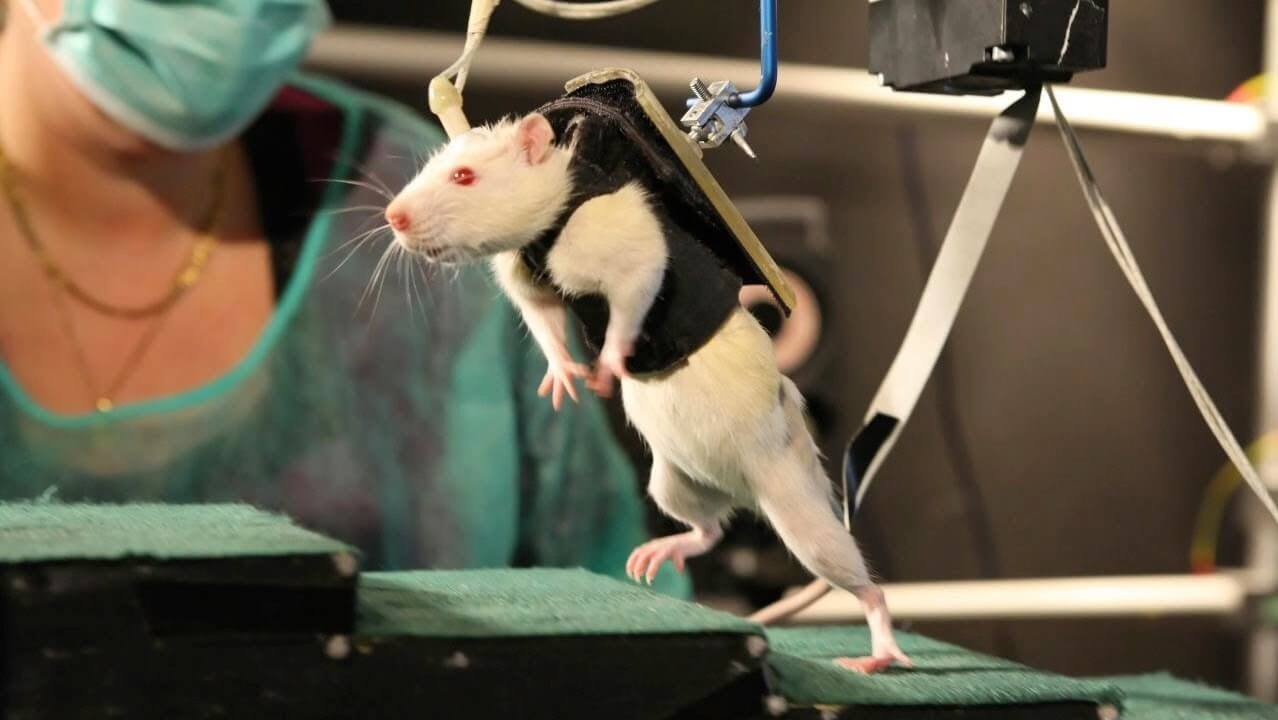
Scientists say they have taken a significant step towards the goal of giving paralysed people control of their hands again. The team at King’s College London used gene therapy to repair damage in the spinal cord of rats. The animals could then pick up and eat sugar cubes with their front paws. It is early stage research, but experts said it was some of the most compelling evidence that people’s hand function could one day be restored. … The body repairs a wounded spinal cord with scar tissue. However, the scar acts like a barrier to new connections forming between nerves. The researchers were trying to dissolve components of the scar tissue in the rats’ spinal cord. They needed to give cells in the cord a new set of genetic instructions – a gene – for breaking down the scar. The instructions they gave were for an enzyme called chondroitinase. And they used a virus to deliver them. Finally, a drug was used to activate the instructions. The animals regained use of their front paws after the gene therapy had been switched on for two months. … “We also found a dramatic increase in activity in the spinal cord of the rats, suggesting that new connections had been made in the networks of nerve cells,” [said researcher Emily Burnside]. The researchers hope their approach will work for people injured in car crashes or falls.
Numerous public opinion surveys have shown that Chinese people have a sharply negative attitude towards genetically modified foods, despite the worldwide scientific consensus that they are as safe as any other.
But the latest piece of research, published in the Nature partner journal Science of Food by two scientists working at University of California-Davis, is even more shocking.
The authors, Kai Cui and Sharon Shoemaker, surveyed the opinions of over 2,000 Chinese citizens from 193 cities and representing all 31 provinces of China.
The researchers report that 13.8 percent of respondents agreed with a widely-circulated rumor in China that GMOs have been created by the United States as a form of “bioterrorism” against China, and that all patriots should therefore oppose them.
…
This broad-brush opposition was not correlated with any great understanding of what genetic modification actually is. Cui and Shoemaker write:
“The result of our survey showed only 11.7 percent of the respondents self-reported that they were familiar with the general scientific principles of GM technology, contrasted to 49.5 and 38.8 percent saying they know something and nothing, respectively, about the subject.”
…
Genetically engineered crops can dramatically reduce chemicals use and make farming more sustainable in other ways, such as requiring less fertilizer. However, unless reactionary attitudes to new agricultural technologies change, China will be stuck with old technologies – and attendant food safety and environmental hazards – for a long time yet.
The ECJ will decide if these techniques produce GMOs – as the Greens/EFA and many environmental NGOs have been arguing for years – and if some of these will be exempt from proper assessment, traceability and labelling as if they weren’t GMOs.
As Greens, we are opposed to these GMOs being put in our fields and food, as they are dangerous for the environment and do not serve in any way the public interests.
…
GMOs are by definition leading to large-scale monoculture and industrial animal farming. These are at the root of many problems of the food and farming system: pollutions by effluents and pesticides; quick decrease of the number of farms and farmers; low prices for agricultural produce; nutritional problems; quick appearance of new pathologies; animal suffering; global warming; depletion of soil resources; ecosystems collapse (with notably a steep decrease of the number of insects and birds) etc.
Editor’s note: This opinion article is co-signed by Members of the European Parliament from the Greens/EFA political group: José Bové, Martin Häusling, Maria Heubuch, Bart Staes and Thomas Waitz
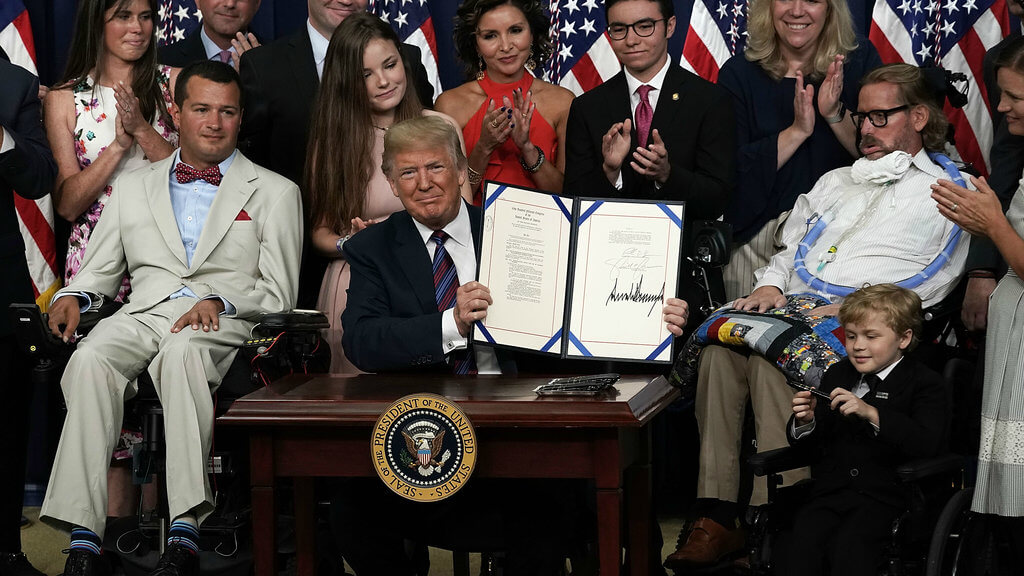
Pharmaceutical and biotechnology companies need to start preparing for the compliance and reporting requirements of a controversial new law. US President Donald Trump on May 30 signed into law the Right to Try Act (H.R.5247), which will allow eligible patients, through drug manufacturers, to seek access to drugs that have not yet been approved by the Food and Drug Administration (FDA). In order to be eligible, a patient must be diagnosed with a disease or condition that they are likely to die from within a matter of months, or that causes significant irreversible morbidity likely to lead to a severely premature death.
…
The Right to Try Act was not met with unanimous approval. Prior to its passing, the bill was stalled in the House due to concerns for patient safety. Shortly after the Right to Try Act was signed, an updated version was introduced that added additional patient protections.
…
[T]he National Organization for Rare Disorders, an organization supporting more than 30 million patients with rare diseases, issued a statement to the House stating, “we have strongly opposed all Right to Try legislation, as we do not believe that it will safely and genuinely increase access to investigational therapies outside of clinical trials.” Regardless of any lingering controversy, pharmaceutical and biotechnology companies will need to start preparing for the compliance requirements that this legislation brings.
Neural networks are the crown jewel of the AI boom. They gorge on data and do things like transcribe speech or describe images with near-perfect accuracy.
…
The catch is that neural nets, which are modeled loosely on the structure of the human brain, are typically constructed in software rather than hardware, and the software runs on conventional computer chips. That slows things down. IBM has now shown that building key features of a neural net directly in silicon can make it 100 times more efficient. Chips built this way might turbocharge machine learning in coming years. The IBM chip, like a neural net written in software, mimics the synapses that connect individual neurons in a brain. The strength of these synaptic connections needs to be tuned in order for the network to learn. In a living brain, this happens in the form of connections growing or withering over time. …
The researchers tested a neural network built from the components of two simple image-recognition tasks: handwriting and color image classification. They found the system to be as accurate as a software-based deep neural network even though it consumed only 1 percent as much energy.
…
IBM will still need to build and test a complete chip. Nevertheless, the work may be a significant, biologically inspired step toward a computer with AI logic burned into its core.
In mid-June 2018, the Canadian Food Inspection Agency (CFIA) reported that a few GM wheat plants had been detected in southern Alberta, amounting to no more than a handful of seeds. Using Canada’s science-based risk assessment system, the CFIA clearly stated, “[t]here is also no evidence that this wheat has entered the food or animal feed system, nor is it present anywhere else in the environment. Health Canada and the CFIA have performed risk assessments of this finding, and have concluded that it does not pose a food safety, animal feed, or environmental risk.”
…
In spite of the scientific reassurance of this detection by the CFIA, the governments of Japan and South Korea have banned Canadian wheat imports. The blame for this can be laid directly on the doorstep of eNGOs and foreign governments playing politics with food safety and international commodity trade…It is likely a convenient excuse to block Canadian wheat supply with the hope of driving down the price of Canadian wheat. Canada produces some of the worlds best milling wheat for flour and baking, so the Japanese and South Korean governments are hoping that their actions will reduce the price of Canadian wheat and then they would be able to purchase their supply at a lower price. Blatant politics affecting international trade, which is a violation of the World Trade Organizations rules.
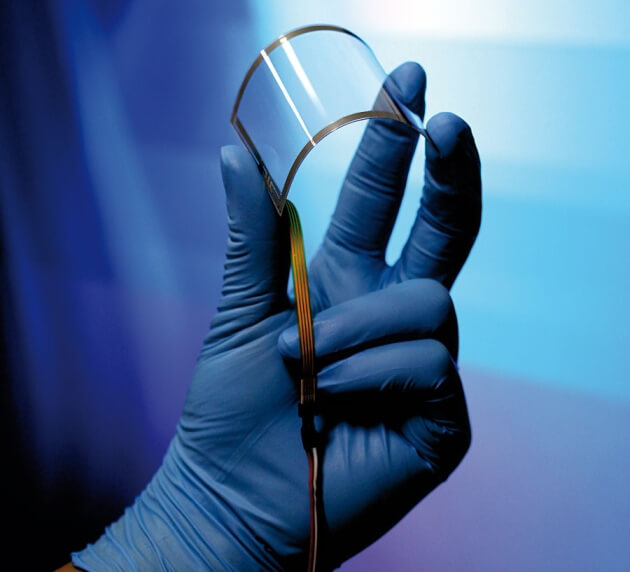
While graphene has been tapped to deliver on everything from electronics to optoelectronics, it’s a bit harder to picture how it may offer a key tool for addressing neurological damage and disorders. But that’s exactly what researchers have been looking at lately because of the wonder material’s conductivity and transparency. In the most recent development, a team from Europe has offered a deeper understanding of how graphene can be combined with neurological tissue and, in so doing, may have not only given us an additional tool for neurological medicine, but also provided a tool for gaining insights into other biological processes.
…
[The researchers] have demonstrated that single-layer graphene increases neuronal firing by altering membrane-associated functions in cultured cells.
…
“These materials are increasingly engineered as components of a variety of applications such as biosensors, interfaces, or drug-delivery platforms,” said [researcher Laura] Ballerini.
…
“Our work provides important insights on the deep interactions of technology with nature,” said Ballerini. “Novel and outstanding materials might then represent, in general, unconventional and exciting tools to gain insights into genuine biological processes. In turn, biological processes may hint at describing unconventional properties, new physics, and applications of the materials.”
…
[F]or now Ballerini and her colleagues will focus on the design of a smart device that takes advantage of their expertise in biology and nanomaterials.
The world is likely to face food shortages within 20 years if pesticides and genetically modified crops are shunned, according to the head of the world’s biggest pesticide manufacturer.
J Erik Fyrwald, CEO of Syngenta, also said the technologies to produce more food from less land are vital in halting climate change, but that better targeting will mean farmers around the world will use less pesticide in future.
“If we don’t keep getting better with technology that helps feed the world with less greenhouse gas emissions, I think we are going to have food availability issues and the climate is going to get much worse from agriculture,” he said. “There could very well be, 10 to 20 years from now, significant issues around feeding the world.”
Is there a likely solution in sight for hunger? “I now say that the world has the technology—either available or well advance in the research pipeline—to feed on a sustainable basis a population of 10 billion people,” Nobel Peace Prize winner Norman Borlaug pointed out. “The more pertinent question today is whether farmers and ranchers will be permitted to use this new technology?”
Borlaug, touted to be the “Man Who Saved A Billion Lives,” was referring to biotechnology. “While the affluent nations can certainly afford to adopt ultra-low risk positions, and pay more for food produced by the so-called organic methods, the 1 billion chronically undernourished people of the low income, food-deficit nations cannot,” the American agronomist deplored.
…
Genetic engineering, the most controversial among the tools, is the manipulation, introduction and expression of specific genes or DNA in the target organisms. This is the method used in developing genetically modified organisms (GMOs).
…
But the question is: are biotech crops safe to eat?
…
A 2008 review published by the Royal Society of Medicine noted that transgenic foods have been eaten by millions of people worldwide for over 15 years, with no reports of ill effects. Likewise, a 2004 report from the US National Academies of Sciences stated: “To date, no adverse health effects attributed to genetic engineering have been documented in the human population.”
When Feng Zhang was a graduate student in the early 2000s, he helped make a groundbreaking discovery: Light-sensitive proteins from pond scum can actually be inserted into brain cells, giving scientists the ability to control parts of the brain with nothing much more than light.
… So many labs clamored to use the technique that sharing vials of DNA that encode these light-sensitive proteins became a regular lab chore. Every few weeks, Zhang sat down to help print shipping labels and stuff a batch of envelopes.
…
Zhang deposited the DNA coding for CRISPR at a small nonprofit called Addgene, located a mile down the road from MIT. Now, he no longer had to personally FedEx CRISPR tools. Scientists could order them straight from Addgene’s website for $65 a pop. Addgene’s whole purpose is to share bits of useful DNA.
…
Addgene grew steadily at first, reaching more and more scientists every year. Then came CRISPR. “The year of CRISPR we took a very large increase,” says Joanne Kamens, Addgene’s executive director. The company has shared CRISPR components from Zhang’s lab more than 42,000 times, with more than 2,000 institutions in 62 countries. They account for four of the top 10 all-time most popular items available on Addgene’s site. “If Addgene didn’t exist, our entire lab would be fulfilling these orders,” says Zhang. The nonprofit has also helped CRISPR become one of the fastest-spreading biotechnologies ever.
Imagine a scorching pain in your hand or foot, as if from a hot coal. Imagine just a light touch of air or water causing it, no injury required. And imagine it happens multiple times per week, enough to keep you awake through the night and unable to concentrate during the day, enough to make you want to immerse your hand or foot in cold water for so long that you develop frostbite.
This is the brutal reality of hereditary erythromelalgia, more commonly known as “burning man syndrome.” Yale University neuroscientist Stephen G. Waxman has been researching this disorder for over 20 years. His new book “Chasing Men on Fire: The Story of a Search for a Pain Gene” digs into the genetic origins of the disease, along with its implications for other neuropathic pain disorders like small fiber neuropathy.
Waxman’s research has shown that the gene SCN9A is responsible for both hereditary erythromelalgia and idiopathic small fiber neuropathy. This in turn means that new approaches to treating these disorders and eliminating the pain and other symptoms may be possible.
Inherited erythromelalgia is a rare neuropathic disorder that causes severe burning pain and skin redness. Attacks are periodic and are commonly triggered by heat, pressure, mild activity, exertion, insomnia, or stress. The pain occurs in small fiber sensory nerves. The discovery that SCN9A lies behind this disorder led to the realization that similar problems in this gene also cause the hereditary type of small fiber neuropathy.
Small fiber neuropathy was once misdiagnosed as psychosomatic in nature. Waxman explains: “Since their neurological examinations were often normal, the complaints of patients with small fiber neuropathy—which occurred without physical signs of disease of the nervous system that can be seen by the physician—were, in the past, often dismissed as being of little consequence, or as having a psychological origin.”
But these disorders are genetic. And understanding them has wide-ranging value. “Some mutations, identified in families with rare inherited diseases, can teach us important lessons that are relevant to common disorders.” Waxman cites the well-known example of familial hypercholesterolemia, a rare metabolic dysfunction whose understanding led to the development of statin drugs.
Waxman’s work suggests that similar advances may be possible for neuropathic pain disorders. “Given the remarkable efficacy of sodium channel blockers when they are injected to locally prevent pain during dental procedures, it might have been hoped that sodium channel blockers could be used more broadly, as medications taken by mouth, to alleviate chronic pain.”
A sodium channel is a protein molecule that forms a barrel-like structure in the surface of a nerve cell. Sodium channels regulate the flow of sodium ions, which play a key role in signal transmission from one end of a neuron to the other. One sodium channel, NaV1.7, turned out to be critically important. “The pivotal functional role of NaV1.7 in controlling the firing of peripheral pain-signaling neurons began to emerge in 1997.”
Waxman and his team found that “neuropathic pain reflects dysfunction of the nervous system and can occur when DRG [dorsal root ganglion] neurons take on a life of their own and generate pain signals even in the absence of a noxious stimulus or inflammation.” In particular, a fault in the NaV1.7 sodium channel could lead to pain signals even in the absence of a noxious stimulus or inflammation.
Mis- and disinformation are distorting science and public policy. Subscribe to our Daily and Weekly Digests for incisive coverage of ‘disruptive’ innovations in AI, agricultural biotechnology, food, chemicals, nuclear energy, vaccines, and other disruptive innovations.
And eventually Waxman was able to show that one change in the genetic code for this gene, a so-called single-nucleotide polymorphism or SNP, was responsible. “We now had a convincing link of NaV1.7 to pain.”
Hereditary erythromelalgia and inherited small fiber neuropathy turn out to be a result of “gain of function” mutations in the SCN9A gene. In simple terms, the sodium channels become overactive: they turn on when they shouldn’t and don’t turn off when they should. This malfunction causes nerves to become hyperactive, creating horrific feelings of pain in response to the slightest stimulation or even no stimulation at all. A drop of water on a foot can feel like a nail piercing bone; a puff of air can feel like a third-degree burn.
This mutation in NaV1.7 occurs in the “peripheral somatic and visceral sensory neurons.” These neurons lie outside the brain, so the pain is not psychogenic. Indeed, during clinical research, Waxman found that “Surprisingly, despite their history of chronic pain, on psychological testing we found that only two subjects displayed signs of moderate anxiety and depression.”
Rigorous clinical testing confirmed these ideas. Waxman and his team began by doing human studies on erythromelalgia, then moved on to small fiber neuropathy in 2010. They found evidence that NaV1.7 as well as NaV1.8 and NaV1.9 mutations may contribute to disorders of pain signaling.
Understanding the exact pathophysiology of painful neuropathies suggests possible treatment. Waxman writes: “Identification of specific molecules that play key roles in axonal injury might provide a basis for therapies that would prevent, or slow, the degeneration of axons, thus halting or slowing the progression of peripheral neuropathy.” This could ultimately lead to new treatments for a wide range of neuropathic disorders, including diabetic neuropathy, phantom limb pain, and trigeminal neuralgia.
Ultimately Waxman is “optimistic because, even if pharmacological blockade or knockdown of NaV1.7 prove not to be useful as a therapeutic strategy that can be used in the clinic, the search for a pain gene may nonetheless point toward new therapies.”
The book “Chasing Men on Fire” amply illustrates the challenges of medical research and the importance of seemingly small genetic variations in chronic neuropathic disorders. And it shows how the genetics of rare disorders can provide invaluable insights that can benefit us all.
Roger Chriss is a technical consultant in Washington state, where he specializes in mathematics and research.
In Africa, scientific research involving biotechnology innovations in agriculture has largely focused on finding ways to produce better crops. But, increasingly, researchers in animal sciences are exploring the potential of these new technologies in breeding and disease resistance.
Those efforts are bolstered by the institutions such as the International Livestock Research Institute in Nairobi, Kenya, where breeding genes are developed, said Dr. Halid Kirunda, director of the Mbarara Zonal Agricultural Research and Development institute (MBAZARDI) in Western Uganda.
Ugandan scientists from the National Agricultural Livestock Research Institute (NaLRI), in Eastern Uganda, are using genetic material obtained from the ILRI in their efforts to develop an ant tick vaccine to aid local livestock farmers.
“We have antigens which can be used to produce candidate vaccines for tick borne diseases affecting animals in the cattle corridor of Uganda. Once the vaccine is ready for use we shall export it to other African countries suffering the same challenge,” Kirunda said. “This will not require any law for commercialization because application of biotechnology is being applied in the vaccine development process indirectly.”
Other initiatives include growing bacteria in the laboratory to improve milk production in cows as well as use of GMO bacteria for improved yield from pigs.
And while there have been ethical concerns expressed regarding the use of gene editing and other new technologies with animals, Kirunda is not concerned as long as the research focuses on beneficial outcomes and is approved by scientific ethical reviews.
Some argue that new technologies already are making an impact on livestock productivity in developing nations. Such was the argument made in a recent article by Dr. Andualem Tonamo of the department of Animal and Range Sciences at Madawalabu University in Ethiopia.
He pointed out that scientists in most African laboratories have been using embryo transfer in animal breeding. They also are using molecular DNA markers to improve breeding results. And in the arena of animal health, newer technologies are improving the ability to diagnose and treat diseases. Tonamo expects these trends to grow in coming years, with the potential to greatly increase the value of continent’s livestock sector.
Researchers at the National Animal Research Institute are working on improving animal fodder. Image credit: Lominda Afedraru
Here’s a look at some of the research areas:
Molecular markers
Five African nations, Kenya, Cameroon, Chad, Nigeria and Togo, are engaged in the use of molecular makers in animal breeding, according to Kirunda.
Molecular marker information has not yet been widely integrated into breeding programs in developing countries, but marker-assisted selection can accelerate the rate of genetic progress by enhancing the accuracy of breeding programs. The benefits are greatest for traits with low heritability and which are unavailable before sexual maturity.
ILRI’s programs focus on the characterization of local poultry in Cambodia, Laos, Vietnam, Egypt, Ethiopia, Kenya and Uganda. Work also is underway on marker identification for beneficial traits, including trypanotolerance – which helps cattle survive in areas infested with tsetse flies.
Animal nutrition and health
In animal nutrition, biotechnology has been used to improve grass species such as elephant grass for improved nutrition through protection of protein, amino acids and use of enzymes to improve the availability of nutrients from feed and to reduce the wastage of the feed and fodder.
Also under development are diagnostic tests using biotechnology to identify disease-causing agents. These efforts include methods to help authorities identify the origin of an outbreak. This is particularly important for epidemic diseases such as foot-and-mouth disease in which pinpointing the source of the infection can significantly improve disease control.
Molecular diagnostic technologies that are either already in use or being tested in low-income regions include polymerase chain reaction (PCR), monoclonal antibodies and recombinant antigens. These efforts have been aided by the availability of reliable and affordable laboratory equipment provided by international organizations such as the Food and Agriculture Organization of the United Nations.
The FAO and the World Health Organization also have trained African scientists in molecular diagnostics in animal diseases. They’re deleting genes that determine the virulence of a pathogen, thus producing non-pathogens that can be used as live vaccines. This strategy has been used to develop vaccines against the herpes viruses that cause pseudorabies in pigs and infectious bovine rhinotracheitis in cattle.
Mis- and disinformation are distorting science and public policy. Subscribe to our Daily and Weekly Digests for incisive coverage of ‘disruptive’ innovations in AI, agricultural biotechnology, food, chemicals, nuclear energy, vaccines, and other disruptive innovations.
Dr. Tonamo, in his publications, explains that scientists use reproductive biotechnology in livestock to increase production through improved genetic material. This is accomplished largely through artificial insemination. The technology is increasing used in cattle, pigs, sheep and goats.
One of the major reproductive technologies that can facilitate genetic improvement in cattle is embryo transfer, the hormonal manipulation of the reproductive cycle of the cow. It induces multiple ovulations, coupled with artificial insemination and embryo collection, to obtain multiple offspring from genetically superior cows.
The embryos are transferred into other cows considered to be genetically inferior. The embryos also can be frozen for later transfer or sale.
African scientists also carry out in vitro fertilization by obtaining unfertilized eggs from ovaries of live donor animals gathered by a technique referred to as “ovum pickup”. The oocytes are matured in an incubator and fertilized with sperm. The resulting zygotes are incubated in the laboratory to come up with a superior animal.
Another recent technology being embraced by scientists is Africa is cloning technique used to increase the genetic contributions of elite animals.
It can be used for conservation as well as propagation of endangered species. It may be used as a tool for the production of stem cells for therapeutic purposes, as therapeutic cloning.
Scientists believe cloning holds the promise of bypassing conventional breeding procedures to allow creation of thousands of precise duplicates of genetically engineered animals.
Lominda Afedraru is a freelance science journalist in Uganda who specializes in agriculture, health, environment, climate change and marine science. Follow her on the Daily Monitor web site www.monitor.co.ug, Facebook or Twitter @lominda25.
Pressure is growing on direct-to-consumer genealogy and genetic testing companies to be more transparent about their privacy policies, after the arrest of the notorious Golden State Killer using publicly available data from one of the websites.
In a letter sent this week — and shared with STAT — Reps. Dave Loebsack of Iowa and Frank Pallone Jr. of New Jersey peppered four of the platforms with questions about their security systems and customer privacy. The Democratic lawmakers are hoping to work with the companies — 23andMe, AncestryDNA, Family Tree DNA, and National Geographic Geno — to identify and resolve any privacy and security issues. And they’re in a prime position to do so.
…
Specifically, the lawmakers want to know what personal information is collected from customers, which employees of the companies can see that information, and which third parties can buy or access the data. They also have questions about the security systems in place to make sure that the information is secure.
And the lawmakers asked for details on how customers are informed about their rights, what they’re told about opting out of certain features or deleting their data, and how they’re notified about changes to the companies’ privacy policies.
“Customers have to be assured that their data is being protected,” Loebsack said.
Every patient is unique, and the art of medicine is the component of the practice that addresses such uniqueness with compassion and care. Will artificial intelligence (AI) change all of that?
…
Artificial intelligence … involves data analytics coupled with the ability to predict outcomes and decision-making capabilities for the development of treatment plans based on empirical evidence. Such applications are geared toward saving costs as well as improving patient outcomes.
…
Artificial intelligence may also be used in hands-on delivery of care. There are several robotic systems, such as the da Vinci robots that assist—but do not replace—surgeons in operating on prostate cancer patients, enabling them to better reach tissues and resulting in improved outcomes. Certain medical devices operate autonomously—implanted defibrillators, for example, which monitor a patient’s heart rate and may automatically deliver a shock if the patient’s heart rate is too fast or irregular. However, such devices are inserted by, and used under the direction of, physicians. The question remains as to whether we will see robots that not only assist the physician in surgical or other procedures, but which operate solely independent of and without the need for a physician medical judgment.
…
Currently, the art remains in medicine as physicians remain hands-on in the ultimate decision making about patient care. Will medicine go the way of the driverless car, or will it be more like today’s state-of-the art automobile, where a human remains in control but with added safety features in the form of driver assistance technology?
Once upon a time, shortly after the age of bloodletting, people thought that facts could change minds. It may seem laughable now, but many used to believe they could simply provide evidence that fire is hot, that the Earth is round, or that humans are causing climate change, and others would respond, “Right, I understand now! Thanks for setting me straight.”
It doesn’t work that way, a fact you can see clearly demonstrated in Seeds of Science: Why We Got it So Wrong on GMOs, by Mark Lynas, an environmental activist and science writer. The book, out June 26, seeks to understand why greens, including Lynas himself, saw genetic engineering as an enemy from the very beginning.
In his youth, Lynas snuck out with other anti-GMO activists to destroy fields of biotech corn. In 2013, he formally apologized for his actions 15 years earlier. What changed? Sure, Lynas learned some new facts. But these facts only sunk in after he had earned plaudits as a science writer and begun to think of himself as a member of the scientific tribe. It was only after he started caring about his reputation among scientists that he began to feel threatened by the critique that his ideas about GMOs were “perilously unscientific.” He had to change clans before he could change his mind.