Viewpoint: Why the New York Times failed with its coverage of overhyped probiotics obesity treatment

probiotics may counter obesity effects on vascular function study wrbm large
Image: iStock/TLFurrer

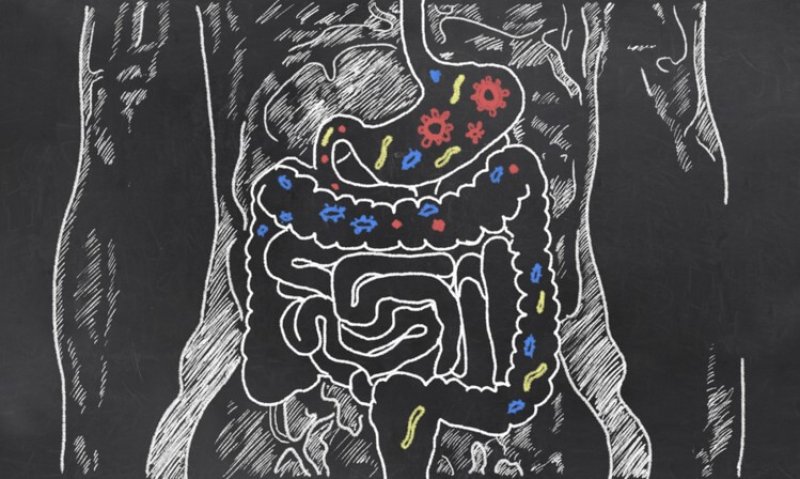
Adding to the steaming pile of unsubstantiated hype over probiotics, the New York Times ran an uncritical article … suggesting that a probiotic of heat-killed bacteria can treat obesity.

Of course, the data behind the story does not suggest that. In fact, the study is so small and the data so noisy and indirect, it’s impossible to come to any conclusions about efficacy. There’s also the nit-picky complaint that the study deals with dead bacteria, while probiotics are generally defined as being live bacteria. More importantly, the study was authored by researchers with a clear financial stake in the treatment succeeding. They hold a patent on the treatment and have started a company based on it—two details the New York Times seems to have forgotten to mention.

The premise of probiotics isn’t a crazy one. Generally, the buggy drugs aim to manipulate the multitudes of microbes in our guts to boost health. There’s good reason to think that’s possible.


But the microbiome field is still littered with open questions, and companies and supplement makers have leapt over the holes to make remarkable claims with flimsy studies—and hawk unsubstantiated products. 

Read full, original post: New York Times falls for “obesity probiotic” hype

{{ reviewsTotal }}{{ options.labels.singularReviewCountLabel }}
{{ reviewsTotal }}{{ options.labels.pluralReviewCountLabel }}
{{ options.labels.newReviewButton }}
{{ userData.canReview.message }}

Related Articles

Infographic: Global regulatory and health research agencies on whether glyphosate causes cancer

Infographic: Global regulatory and health research agencies on whether glyphosate causes cancer

Does glyphosate—the world's most heavily-used herbicide—pose serious harm to humans? Is it carcinogenic? Those issues are of both legal and ...

Most Popular

Screenshot-2026-05-01-at-1.29.41-PM
Viewpoint: What happens when whole grains meet modern food manufacturing? Labels don’t tell the whole story.
Farmers can talk to plants
Farmers are a major source of misinformation—about farming
Screenshot-2026-04-12-135256
Bixonimania: The fake disease scam that AI swallowed whole
ChatGPT-Image-Apr-13-2026-02_20_22-PM
Viewpoint: Misinformation infodemic? Why assessing evidence is so challenging 
S
As vaccine rejectionism spreads, measles may be taking a more dangerous turn
ChatGPT-Image-Mar-27-2026-11_47_30-AM-2
FDA’s expedited drug reviews are hailed in some quarters but other approval practices are problematic
a ufo a photoblog
U.S. government accused of pushing ‘fake news’ about UFOs to cover-up secret dark-project drone and aircraft technology

Sorry. No data so far.

glp menu logo outlined

Get news on human & agricultural genetics and biotechnology delivered to your inbox.