A third of cancer drug clinical trials don’t report on race. Here’s why that matters

depositphotos original thumb
Image: Deposit Photos

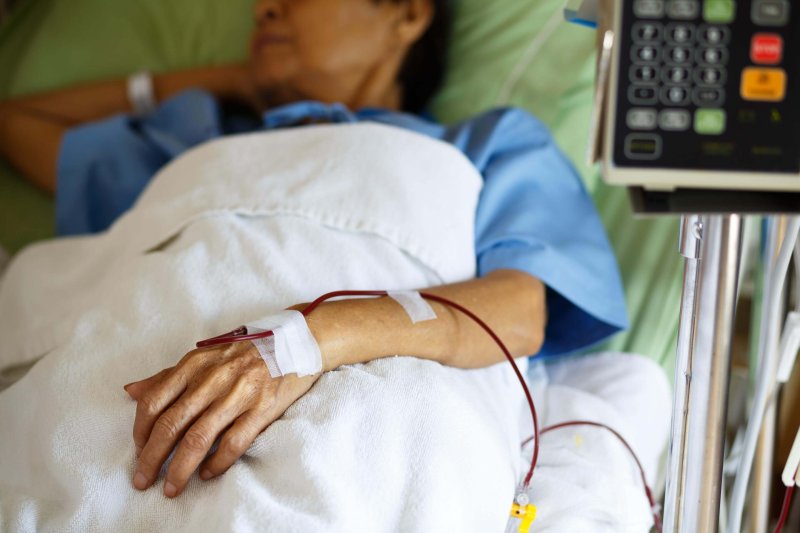
One-third of the clinical trials that led to new cancer drugs approved between 2008 and 2018 didn’t report on the race of trial participants.

That’s according to a new study, published in JAMA Oncology, that looked at 230 clinical trials that supported oncology drugs approved by the Food and Drug Administration. Of those studies, just 145 reported on at least one race of trial participants. Just 18 broke the data down by the four major racial groups — white, Asian, black, and Hispanic — in the U.S. The study’s authors say their findings highlight the clear need for better reporting and representation.

Black and Hispanic patients, in particular, were underrepresented in trials that led to cancer drug approvals. There were far fewer black and Hispanic patients in cancer clinical trials than would be expected, given the share of cancer patients who are black or Hispanic. Raghav and his colleagues say that’s problematic, particularly for trials that play a pivotal role in patient care.

“When you come across clinical trials that establish FDA approval or standard of care [for a new drug], they should definitely be representative of the population it’s used to treat,” [oncologist Kanwal] Raghav said.

Read full, original postMany clinical trials for new cancer drugs didn’t include any data on race

{{ reviewsTotal }}{{ options.labels.singularReviewCountLabel }}
{{ reviewsTotal }}{{ options.labels.pluralReviewCountLabel }}
{{ options.labels.newReviewButton }}
{{ userData.canReview.message }}

Related Articles

Infographic: Global regulatory and health research agencies on whether glyphosate causes cancer

Infographic: Global regulatory and health research agencies on whether glyphosate causes cancer

Does glyphosate—the world's most heavily-used herbicide—pose serious harm to humans? Is it carcinogenic? Those issues are of both legal and ...

Most Popular

Screenshot-2026-06-17-at-12.31.01-PM
Viewpoint: The dangerous influence of ‘woke’ post-modernism in science
ChatGPT-Image-Mar-10-2026-01_39_01-PM
Viewpoint—“Miracle molecule” debunked: Why acemannan supplements don’t work
covid-vaccine
Blocked by Kennedy’s CDC, validated by peer-reviewed scientists: Suppressed COVID vaccine study published in JAMA finds 50% risk cut
ChatGPT-Image-Jun-25-2026-12_23_17-PM
No, Bill Gates did not secretly engineer ticks to promote veganism
Sampling_a_strawberry_32206461974
Viewpoint: Which is worse: Trace PFAS ‘forever chemicals’ on strawberries or the fear that scares people away from eating them?
NYPICHPDPICT000011561063
Viewpoint: From magnetizing your head to taking useless supplements, the wellness craze has morphed into an obsession of the affluent
ChatGPT-Image-Jun-26-2026-01_21_33-PM
How the dubious, Trump-backed, addictive drug kratom could enrich cabinet secretary Markwayne Mullin
Screenshot-2026-06-25-at-4.08.41-PM
Even in blue states, hospitals have continued to drop gender-affirming care for youths
Screenshot-2026-06-25-at-11.18.03-AM
Viewpoint: Appreciating a simpler past without swallowing the misleading ‘nature is healthier and safer’ myth
Podolay_1_transplantacia_srdca_1968
From printers to pigs: The precarious future of organ transplants
Screenshot-2026-06-26-at-10.14.50-AM
Viewpoint: The facts behind the grifter-promoting wellness and anti-aging peptide craze: Don’t waste your money
ChatGPT-Image-Jun-26-2026-11_34_33-AM
Viewpoint: RFK, Jr.’s vaccine subterfuge campaign now flies below the media radar
Screenshot-2026-06-25-at-1.48.40-PM
Glyphosate affirmed as safe: Supreme Court rejects lawsuit claiming Roundup herbicide causes cancer, upholding EPA determination
ChatGPT-Image-Jun-19-2026-04_11_20-PM
Daubert for Dummies—Scientific Reliability in U.S. Courts: Daubert, Rule 702, and Made-for-Litigation Evidence

glp menu logo outlined

Get news on human & agricultural genetics and biotechnology delivered to your inbox.